£5.18 – £5.89Price range: £5.18 through £5.89
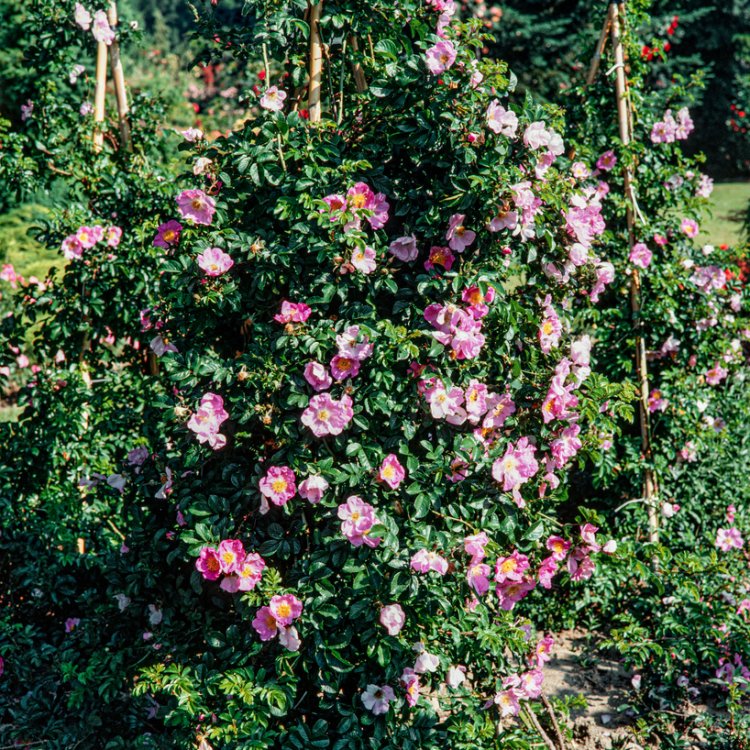
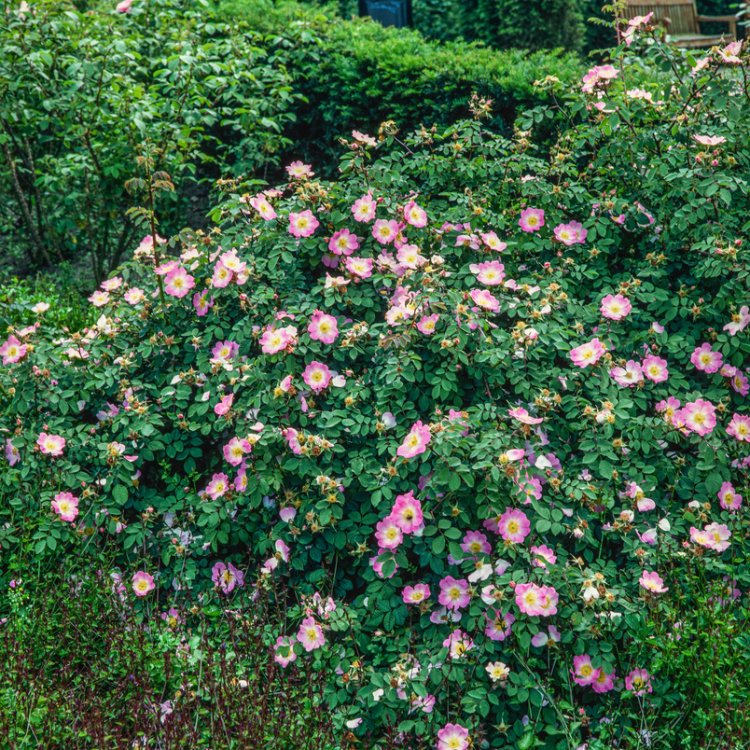
Discover Rosa (R) ‘Max Graf’, a highly robust groundcover rose. It produces vibrant, single pink flowers that attract bees throughout summer, alongside glossy, dark green foliage. This hardy, low-maintenance rose is ideal for sprawling across banks or borders.
50 in stock
Discover Rosa (R) ‘Max Graf’, a robust groundcover rose, bringing vibrant pink blooms and lush foliage to British gardens with ease.
This distinguished rambling rose, Rosa (R) ‘Max Graf’, offers a spectacular display of single, bright pink flowers each summer. First introduced in 1919, this cultivar quickly became celebrated for its vigorous growth and remarkable hardiness. It effortlessly cascades over banks or spreads across wide areas, creating a carpet of rich colour and texture. Gardeners appreciate its low-maintenance nature, making it an excellent choice for those seeking beauty without constant fuss. Its historical significance and enduring charm make it a valuable addition to many outdoor spaces across the UK.
Rosa (R) ‘Max Graf’ is a truly special rose. It is famed for its unique growth habit and abundant summer blooms. This hybrid combines the best traits of its parents, Rosa rugosa and Rosa wichurana. Its origins trace back to Germany in the early 20th century. Named after Max Graf, a respected figure in horticulture, it quickly gained popularity.
The foliage of this exceptional rose is notably glossy. It presents a deep, healthy green. These leaves provide a striking contrast to the cheerful pink flowers. Each bloom is single-petalled. It reveals a bright yellow centre, simply irresistible to bees. Furthermore, the flowers grow generously in clusters. They create a breathtaking, continuous display throughout its main flowering period.
This rose excels as a groundcover due to its robust, spreading nature. It effectively suppresses weeds and stabilises slopes. This makes it perfect for banks and large rockeries. Moreover, gardeners can train it to ramble over low walls or through established shrubs. This adds layers of interest. This adaptability ensures its place in many garden designs.
The open, single flowers of Rosa (R) ‘Max Graf’ are a magnet for pollinating insects. Bees eagerly visit the blooms, collecting nectar and pollen. As the flowering season concludes, the plant develops decorative rose hips. These provide a valuable food source for birds during colder months. Minimal pruning is required. Gardeners mostly remove dead wood or manage its shape.
Very hardy. Tolerates temperatures typical of a continental winter.
Water regularly until established. Feed with a balanced rose fertiliser in spring. Prune minimally to remove dead, damaged, or crossing stems after flowering, or to tidy its sprawling habit. While generally robust, monitor for common rose pests and diseases.
This plant is deciduous so it will lose all of its leaves in the autumn and get fresh new foliage each spring.