£7.92 – £8.62Price range: £7.92 through £8.62
Adorn your UK garden with Paeonia officinalis ‘Anemoniflora’, the Anemone-flowered Peony. Its vibrant, deep crimson, double blooms bring timeless elegance and a touch of fragrance. This robust perennial offers stunning late spring to early summer colour, attracting bees and enhancing any border.
49 in stock
Paeonia officinalis ‘Anemoniflora’ captivates UK gardens with its vibrant, double crimson blooms, offering a timeless display of classic beauty and easy-care charm.
This striking peony, known as the ‘Anemone-flowered Peony’ and often simply the Common Peony, brings old-world elegance to any outdoor space. Its robust nature makes it a favourite among British gardeners, thriving in various settings. Gardeners cherish Paeonia officinalis ‘Anemoniflora’ for its stunning floral display and enduring presence in borders and cottage gardens alike. It truly is a garden essential.
The name Paeonia officinalis ‘Anemoniflora’ hints at its unique beauty. The ‘officinalis’ part signifies its historical use in apothecaries. Meanwhile, ‘Anemoniflora’ describes its flowers, which resemble an anemone. This wonderful cultivar of the European Peony offers gardeners significant charm. It grows well across the United Kingdom, adapting easily to many garden styles.
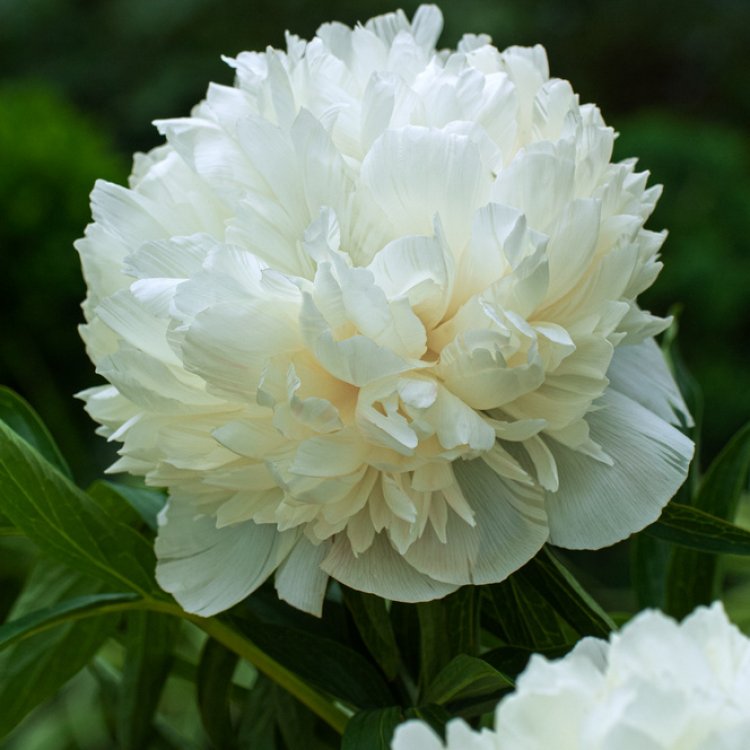
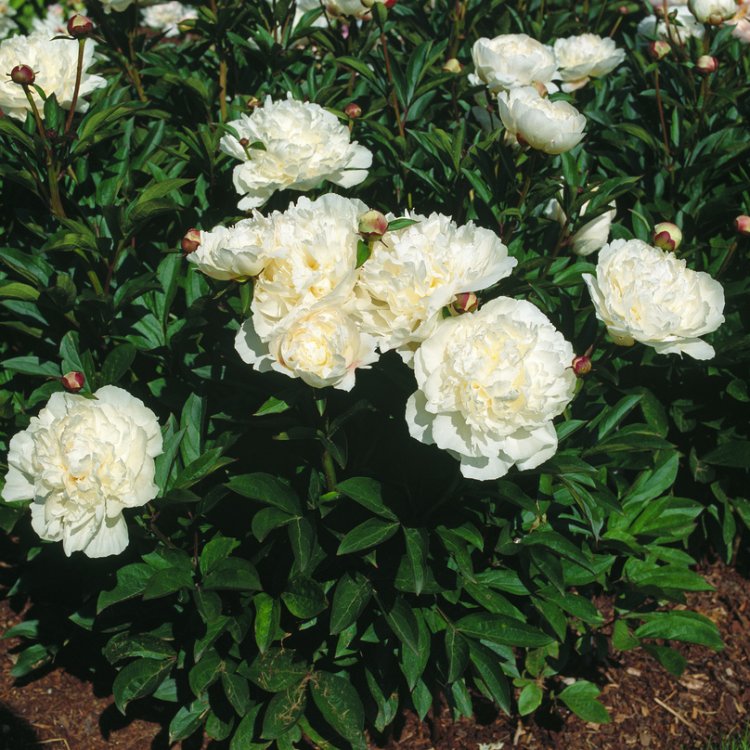
During late spring and early summer, Paeonia officinalis ‘Anemoniflora’ bursts into life. It produces magnificent, double flowers with a rich, deep crimson-red colour. These blooms have a distinct anemone form. They feature prominent central petals, surrounded by broader guard petals. This creates a wonderfully full appearance. Furthermore, its flowers emit a pleasant, subtle fragrance, adding sensory delight.
Below the vibrant blossoms, the plant displays handsome, deeply lobed green leaves. These provide excellent texture and remain attractive throughout the growing season. The sturdy stems hold the flowers upright, presenting a grand display in your garden.
British gardeners often choose this Paeonia for its versatility. It excels when planted in herbaceous borders, creating a focal point with its bold colour. Its traditional look also makes it perfect for cottage garden designs. You can also plant it as a specimen, allowing its beauty to shine alone. These peonies also make superb cut flowers, bringing their intense colour indoors.
Bees frequently visit the abundant blooms, collecting nectar and pollen. Therefore, Paeonia officinalis ‘Anemoniflora’ helps to support local pollinator populations. This enhances your garden’s ecological balance naturally.
Maintaining Paeonia officinalis ‘Anemoniflora’ is straightforward. You should deadhead spent flowers to keep the plant looking tidy. This also directs the plant’s energy towards root development. Once the foliage begins to yellow and die back in the autumn, cut it down to ground level. This practice helps to maintain plant health and reduces the risk of fungal diseases. Generally, this peony requires little shaping. It forms a naturally attractive, mounding habit.
Very hardy. Tolerates temperatures typical of a continental winter.
Paeonia officinalis 'Anemoniflora' thrives with minimal fuss in UK gardens. Plant it in fertile, well-drained soil, ensuring it receives full sun to partial sun for optimal flowering. Water regularly during dry spells, particularly in its first year. Deadhead spent blooms to maintain tidiness and encourage the plant's energy towards root development. In autumn, once the foliage yellows and dies back, cut the stems down to ground level to prevent disease and keep your garden looking neat. Staking may be beneficial in very exposed sites or for exceptionally heavy blooms. Avoid moving established plants as they dislike disturbance.