£7.29 – £8.69Price range: £7.29 through £8.69
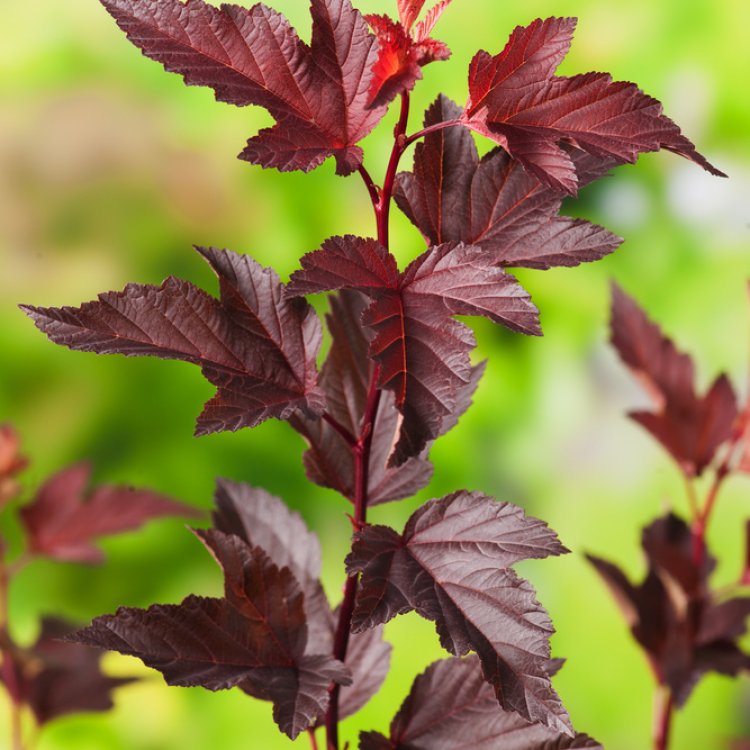
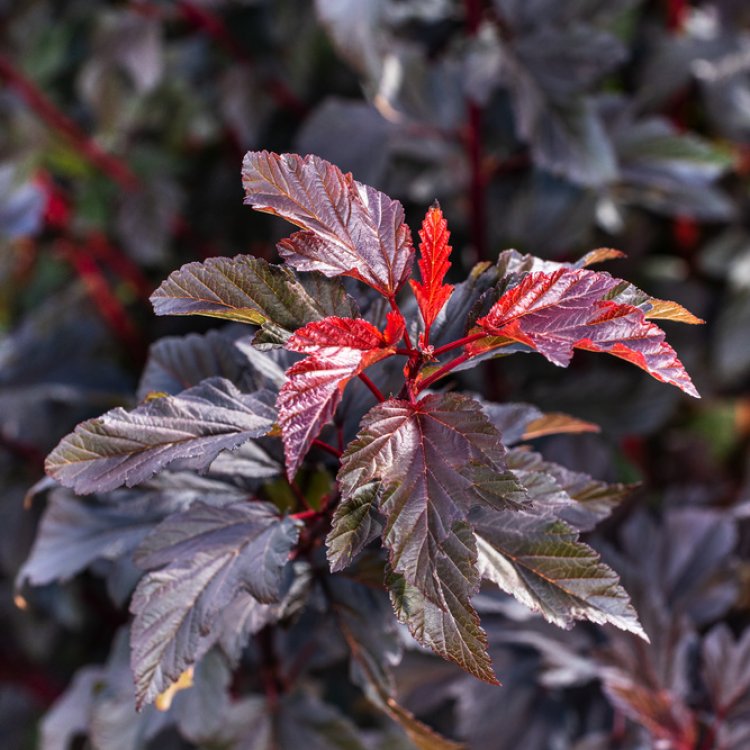
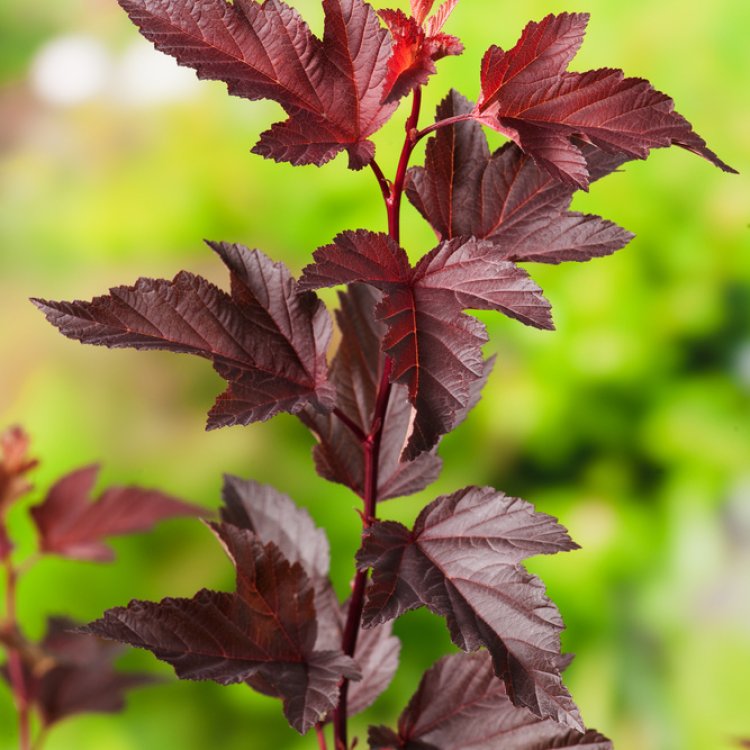
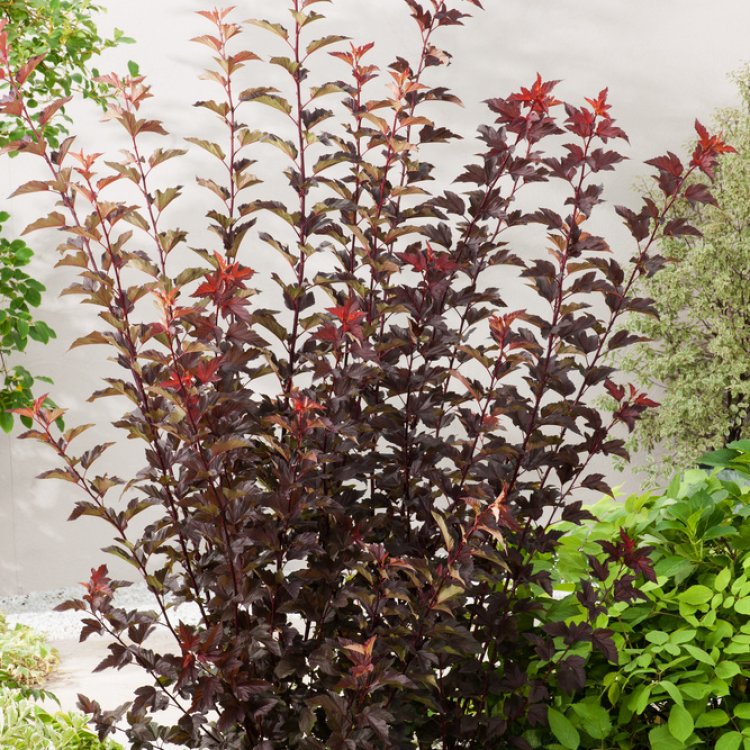
Physocarpus opulifolius Diable d’ Or is a stunning deciduous Ninebark. Its foliage transitions from coppery-orange to deep purple, offering vibrant seasonal colour. Delicate white-pink flowers and red berries add to its appeal. This robust, pollinator-friendly shrub is perfect for borders or hedging.
176 in stock
Discover Physocarpus opulifolius Diable d’ Or, a striking deciduous shrub famed for its ever-changing foliage and vibrant garden presence.
Physocarpus opulifolius Diable d’ Or, often known as Ninebark ‘Diable d’Or’, is a truly captivating shrub. This outstanding cultivar offers year-round visual appeal, bringing a splash of dramatic colour to any garden space. Its unique foliage transitions through various shades, ensuring a dynamic display from early spring right through to autumn. Gardeners across the UK value its robust nature and easy-care appeal, thus making it a popular choice for both new and established plantings.
The name ‘Diable d’Or’ translates from French as ‘Golden Devil’. This aptly describes its dramatic foliage colour. New leaves emerge with a vibrant coppery-orange hue in spring. As the season progresses, they gradually deepen into a rich, lustrous purple. This stunning transformation provides continuous visual appeal. In autumn, the leaves often display bronze-red tones before falling. This ensures seasonal interest.
Beyond its exceptional foliage, Physocarpus opulifolius Diable d’ Or produces delicate flower clusters. These appear in late spring to early summer. The small, white or blush-pink blossoms provide a gentle contrast against the dark leaves. They also attract valuable pollinators like bees and butterflies to your garden. Following the flowers, ornamental red berries, known as follicles, develop. These persist into autumn and even winter, adding further decorative value and providing a food source for birds.
Physocarpus opulifolius Diable d’ Or is a versatile plant for many garden designs. You can use it as a standout specimen shrub in a mixed border. Alternatively, it forms an attractive informal hedge. Its robust nature means it performs well in various settings. This ninebark also contributes significantly to garden wildlife. Its flowers are a magnet for pollinating insects. Furthermore, the berries offer sustenance for local bird populations during colder months. Pruning after flowering helps maintain its shape and encourages a fresh flush of colourful new growth.
Hardy in the harshest UK conditions and below. Suitable for mountain regions.
Physocarpus opulifolius Diable d' Or is a remarkably low-maintenance shrub, thriving with minimal attention once established. Pruning after flowering helps to maintain its shape and encourage vibrant new growth. Water young plants regularly during dry spells to ensure good establishment. It adapts well to various soil conditions.
This plant is deciduous so it will lose all of its leaves in the autumn and get fresh new foliage each spring.