£4.52 – £5.24Price range: £4.52 through £5.24
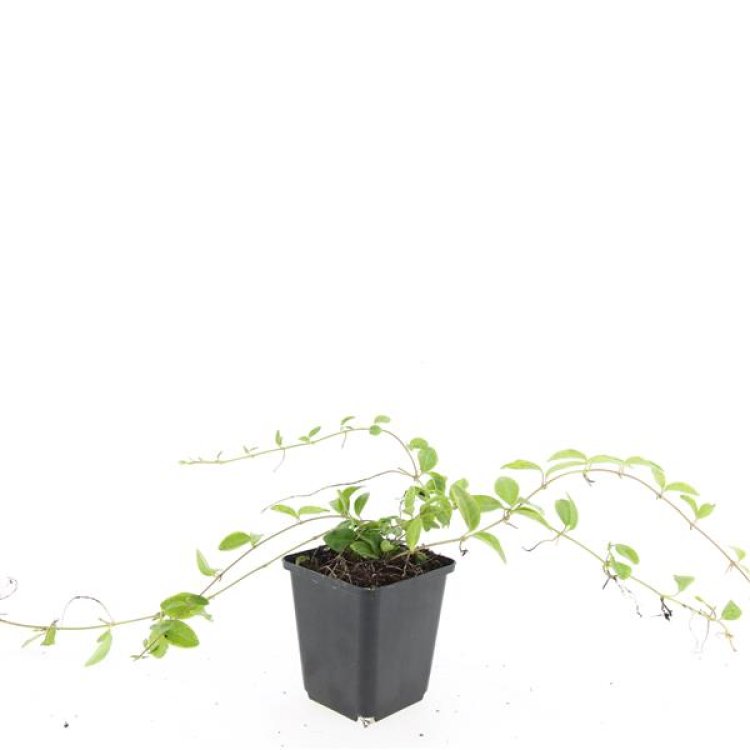
Vinca minor ‘Blue and Gold’ is an evergreen groundcover with striking blue and gold variegated leaves. Its vibrant blue flowers emerge in spring, making it perfect for shaded areas. This Lesser Periwinkle provides year-round interest and attracts pollinators.
3000 in stock
Vinca minor ‘Blue and Gold’ is a vibrant evergreen groundcover. It offers unique variegated foliage and cheerful blue blooms, bringing year-round interest to UK gardens.
Introduce lasting beauty to your garden with Vinca minor ‘Blue and Gold’. This exceptional Lesser Periwinkle forms a dense, evergreen carpet. It is an excellent choice for tricky spots. Its glossy leaves boast striking golden margins, contrasting with the deep green centre. In spring, bright blue flowers emerge, creating a delightful display. This plant thrives in various conditions, offering a low-maintenance solution for diverse planting schemes.
Vinca minor ‘Blue and Gold’ gets its name from key traits. The genus ‘Vinca’ comes from the Latin word ‘vincire’, meaning ‘to bind’, referring to its trailing stems. ‘Minor’ means ‘smaller’, setting it apart from Vinca major. The cultivar name ‘Blue and Gold’ describes its look: blue flowers and golden-yellow margins on its green leaves. This cultivar truly lives up to its clear name.
This Lesser Periwinkle shines with evergreen foliage. Each leaf has a rich green centre, bordered by a bright golden-yellow edge. This holds interest all year. As winter turns to spring (March to May), many bright blue flowers appear. These five-petalled blooms stand out against the colourful leaves. They attract early pollinators, like many bee types. The plant offers continuous colour and texture, especially good in shaded areas.
Vinca minor ‘Blue and Gold’ works well in many garden spots. It makes a good groundcover, quickly filling spaces under trees and shrubs. It keeps weeds down, meaning less garden work. Gardeners also use it on banks and slopes to stop soil erosion. Its trailing habit makes it good for walls, softening path and border edges. Its dense growth creates a lush carpet, adding depth and vibrant colour to hard areas.
This plant needs little attention generally. You can prune Vinca minor ‘Blue and Gold’ lightly in early spring. This helps manage its spread and makes growth denser. This keeps it in its area. Pruning is not vital for health, but helps shape the plant. The pretty blue flowers draw local wildlife. Bees often visit the blooms, gathering nectar and pollen. So, planting this Lesser Periwinkle aids local pollinator numbers, boosting your garden’s natural value.
Very hardy. Tolerates temperatures typical of a continental winter.
Vinca minor 'Blue and Gold' requires minimal care once established. Water newly planted specimens regularly until they show signs of strong growth. Once settled, this Lesser Periwinkle tolerates dry periods well. To manage its vigorous spread, prune back any unwanted growth in early spring. You can also trim older, straggly stems to encourage fresh, dense foliage. This helps maintain a tidy appearance. Fertilising is generally not necessary, especially in rich soils. However, a light feed in spring can promote lush growth. Check for slugs and snails, especially in damp conditions, as they can sometimes damage new shoots.