£5.09 – £5.80Price range: £5.09 through £5.80
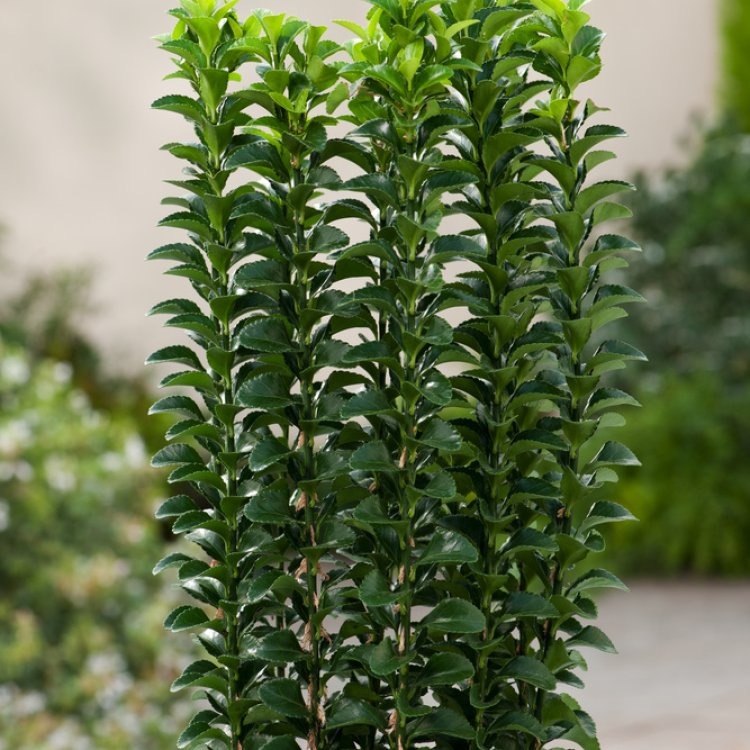
Euonymus japonicus ‘Green Rocket’ is an outstanding evergreen shrub. It features a dense, columnar habit and glossy, dark green foliage, perfect for year-round structure. Ideal for hedges, screens, and narrow garden spaces in the UK, it offers elegance and versatility.
1000 in stock
Discover Euonymus japonicus ‘Green Rocket’. This superb evergreen shrub offers year-round structure and vibrant green foliage, ideal for narrow garden spaces and formal designs.
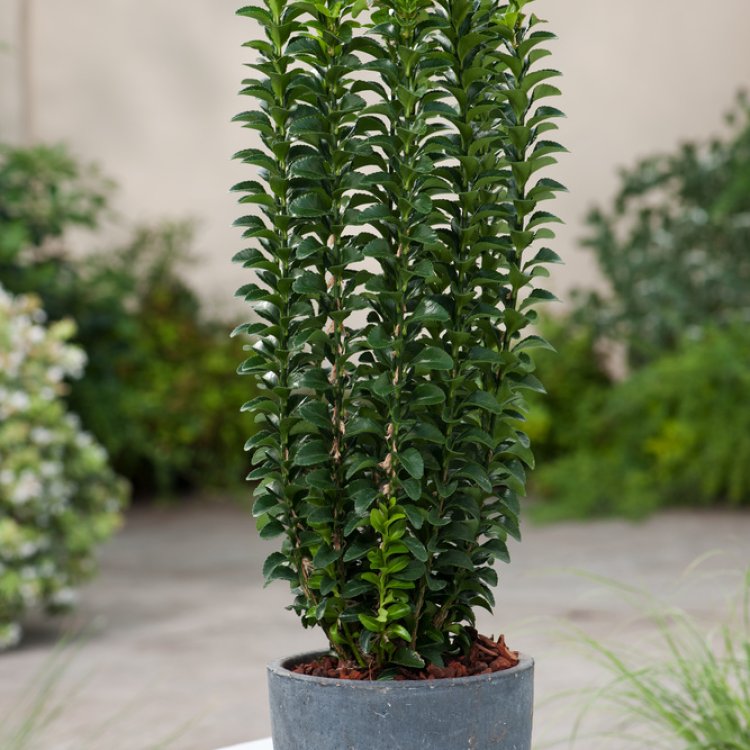
This distinguished cultivar, also known as Japanese Spindle, is celebrated for its remarkably upright and compact growth. It forms a dense, narrow column of glossy, dark green leaves. Furthermore, it brings a crisp, formal elegance to any setting. Its versatility also makes it perfect for adding vertical interest. It does not demand extensive space, which is a valuable asset in modern UK gardens.
The botanical name Euonymus comes from Greek words. ‘Eu’ means ‘good’ and ‘onyma’ means ‘name’. Alternatively, it could mean ‘of good repute’. The specific epithet ‘japonicus’ tells us it originates from Japan. The cultivar name ‘Green Rocket’ describes its growth well. It has a vigorous, upright form and dense, green leaves. Indeed, it shoots upwards like a garden rocket. This particular plant offers a robust, architectural presence.
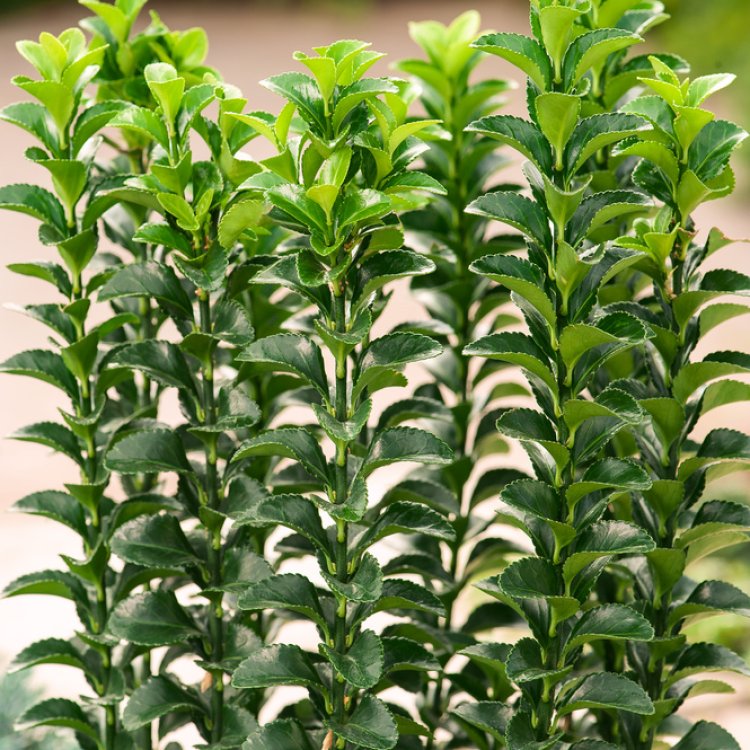
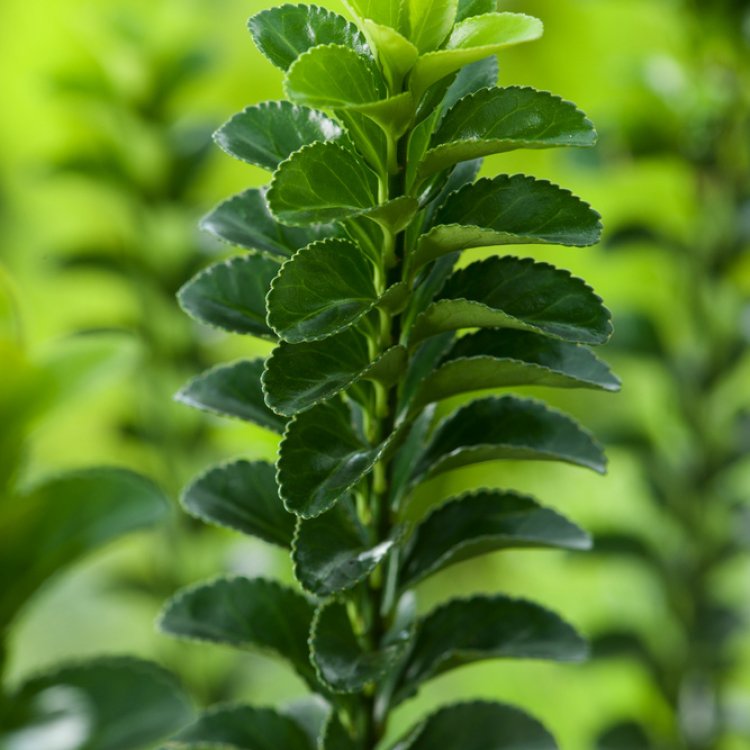
Euonymus japonicus ‘Green Rocket’ boasts attractive, ovate leaves. They are a rich, deep green and notably glossy. These evergreen leaves stay vibrant throughout all seasons. They provide consistent appeal. Its naturally narrow and upright growth habit means it gains height without spreading widely. Consequently, this makes it an outstanding choice for gardens. Horizontal space might be limited, but vertical impact is desired. It forms a neat, living column, offering excellent structural interest.
During summer months, Euonymus japonicus ‘Green Rocket’ produces small, subtle green-white flowers. These blossoms are not its main feature. However, they do provide nectar for garden pollinators, including bees. After flowering, small pinkish-orange fruits may sometimes appear in autumn. These berries are often hidden by dense foliage. They might also not appear on regularly pruned plants. Yet, they can offer a food source for some garden birds.
This adaptable plant excels in many garden roles. It is highly valued for creating formal hedges. It provides a neat, tidy boundary or backdrop. Its columnar shape also makes it ideal for screening unsightly areas. You can use it to define pathways in a stately manner. Furthermore, Euonymus japonicus ‘Green Rocket’ thrives in containers. It offers an elegant focal point on patios or balconies. It performs well in mixed borders. It adds a strong vertical accent among lower-growing plants.
Euonymus japonicus ‘Green Rocket’ is very tolerant of pruning. This greatly boosts its use in formal designs. Gardeners can easily trim this plant to keep its desired height and width. This ensures a consistently neat look. Regular shaping makes it denser. Thus, it works better as a screen or hedge. This adaptability allows for precision in garden design. It makes it a favourite for those seeking a clean, structured look.
Hardy across most of the UK except particularly exposed or cold regions.
Water regularly during its first growing season, particularly in dry spells, to help establish a strong root system. Once established, it is fairly drought tolerant but will benefit from watering during prolonged dry periods. Apply a balanced, general-purpose fertiliser in early spring to support healthy growth and foliage. Prune in late spring or early summer after the main flush of new growth. This plant tolerates hard pruning exceptionally well, allowing you to easily maintain its desired columnar shape and size for hedges or formal specimens. Light trimming can be done as needed throughout the growing season. Generally a robust plant, but keep an eye out for common pests such as euonymus scale and vine weevils. Ensure good air circulation to prevent fungal issues, though it is largely disease resistant. Ensure it is planted in well-drained soil. While adaptable to various light conditions, it performs best in full sun to partial shade. Protect from very harsh, cold winds if planted in an exposed site, particularly when young.