£4.73 – £5.44Price range: £4.73 through £5.44
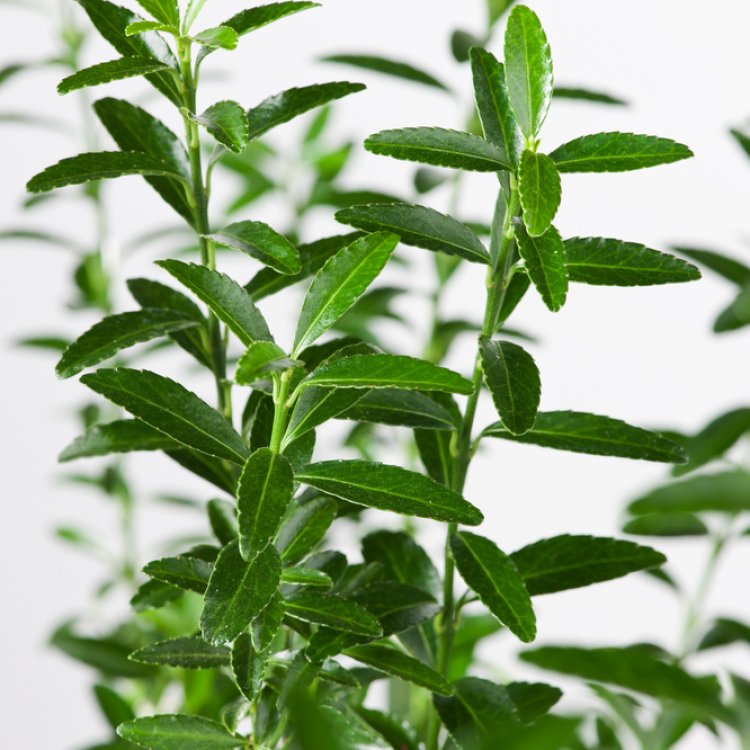
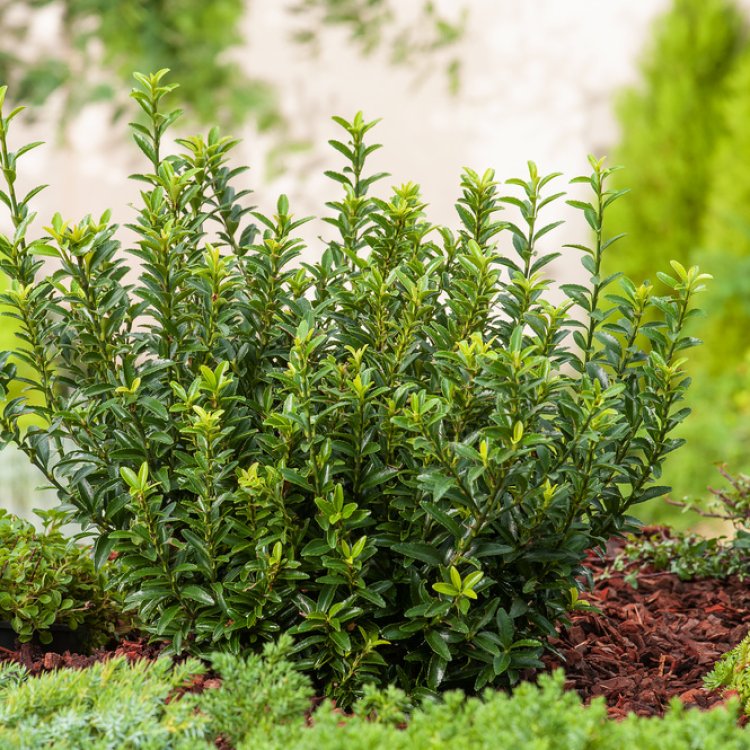
Euonymus japonicus ‘Microphyllus Albovariegatus’ is a compact, evergreen shrub. Its small, variegated leaves provide year-round interest with dark green and creamy-white margins. Perfect for low hedging, containers, or elegant garden edging.
3000 in stock
Bring year-round structure and bright variegation to your garden with Euonymus japonicus ‘Microphyllus Albovariegatus’, an elegant, versatile evergreen shrub.
This charming variety of Japanese Spindle offers a delightful spectacle of tiny, richly variegated leaves. It forms a dense, neat mound, making it an excellent choice for a wide array of garden designs. Its compact habit and vibrant foliage ensure it always stands out.
Euonymus japonicus ‘Microphyllus Albovariegatus’ adapts well to various conditions. It thrives in many UK gardens. Gardeners love it for its reliable, ornamental qualities.
Euonymus japonicus ‘Microphyllus Albovariegatus’ is a particularly attractive cultivar of the Japanese Spindle, native to Japan. The genus name ‘Euonymus’ signifies “good name” in ancient Greek, while ‘japonicus’ means “from Japan.” Its cultivar name, ‘Microphyllus Albovariegatus’, clearly describes its small, white-variegated leaves.
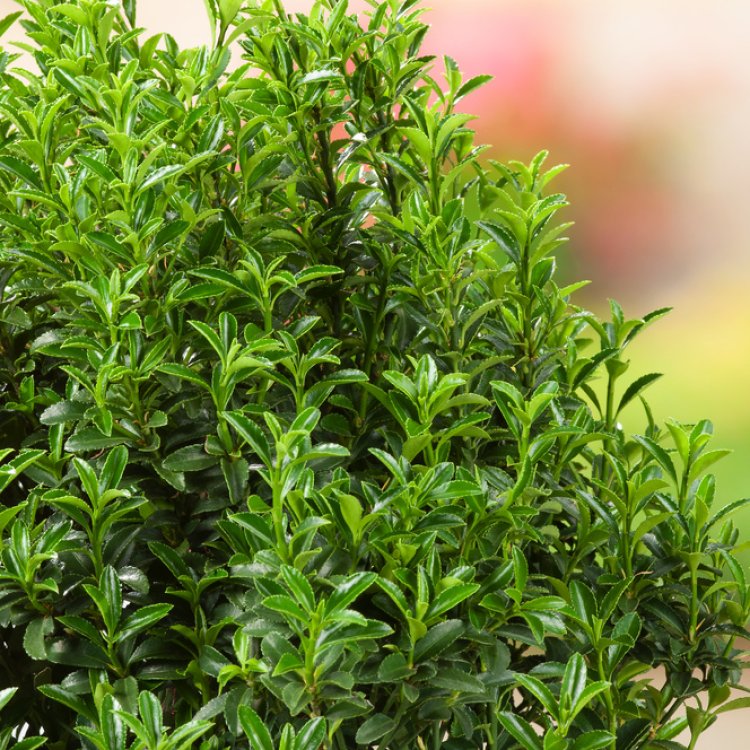
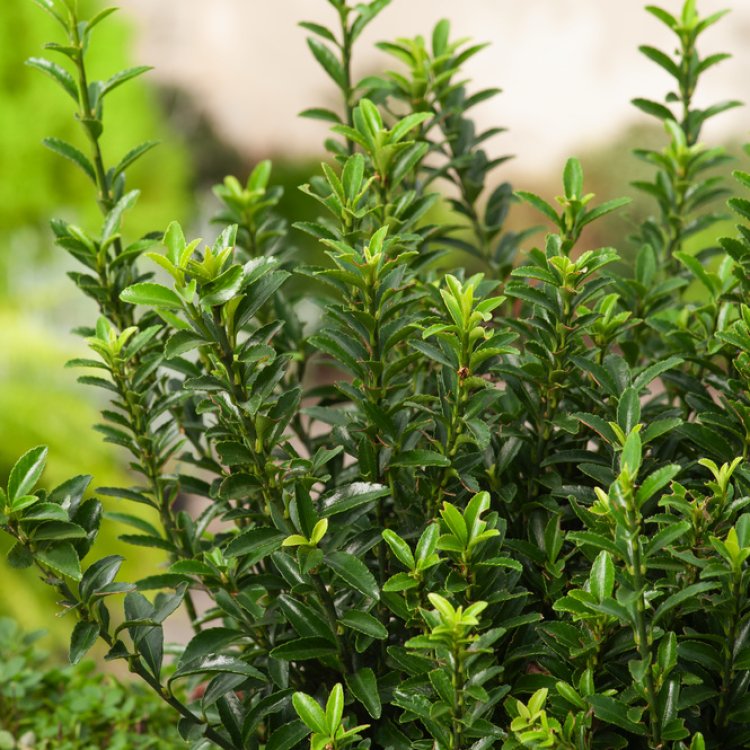
The vibrant evergreen foliage is this Euonymus’s main appeal. Each tiny, glossy leaf shows a dark green centre beautifully bordered with a creamy-white margin. This creates a dazzling, crisp appearance, brightening any garden space.
The plant naturally grows into a dense, bushy form, consequently providing excellent structure. While it produces small, greenish-white flowers in summer, these are inconspicuous. Berries are rarely seen, especially when regularly pruned.
Gardeners frequently use Euonymus japonicus ‘Microphyllus Albovariegatus’ for low hedges or defined border edges. Its compact size and dense growth make it perfect for formal designs. Also, you can shape this plant easily into various topiary forms.
Many gardeners use it in containers for year-round interest on patios or balconies. It offers a subtle backdrop to flowering plants, creating a neat, tidy look.
This adaptable shrub tolerates pruning exceptionally well. You can trim it regularly to maintain a desired shape or size, or even cut it back hard to rejuvenate growth. Best shaping occurs during spring or summer.
Although its flowers are not showy, they attract various small insects. Birds may occasionally visit for any berries. It brings beauty to the garden and contributes to a healthy ecosystem.
Hardy in all of the UK and northern Europe. Suitable for exposed sites.
Euonymus japonicus 'Microphyllus Albovariegatus' requires minimal care. Water regularly during its establishment period; mature plants tolerate some drought. Feed with a balanced granular fertiliser in early spring to support vigorous growth. Prune in late spring or summer to maintain its desired shape, size, or topiary form. It recovers well from harder pruning if rejuvenation is needed. Generally pest and disease resistant, inspect regularly for scale insects or powdery mildew, particularly in humid conditions. Ensure good air circulation around the plant.