£7.76 – £9.18Price range: £7.76 through £9.18
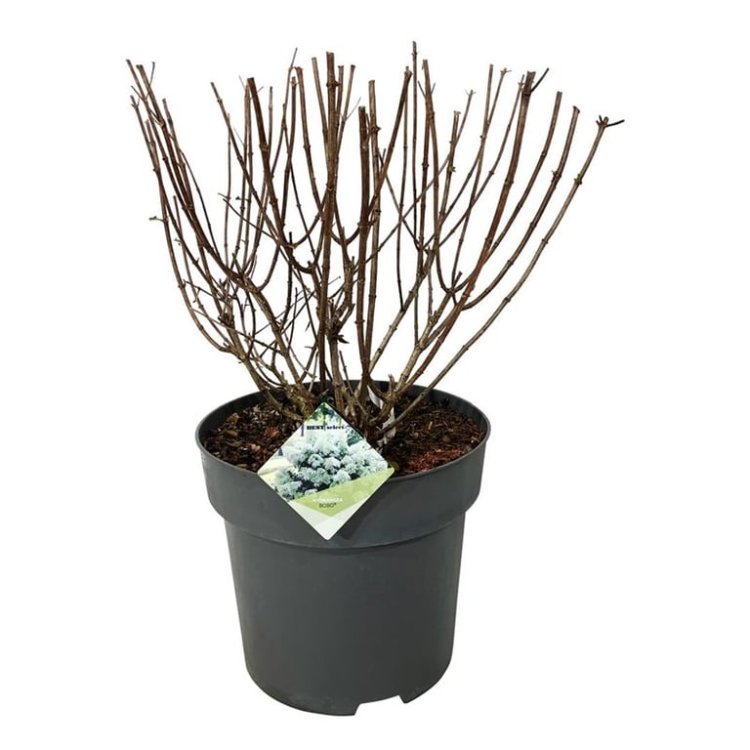
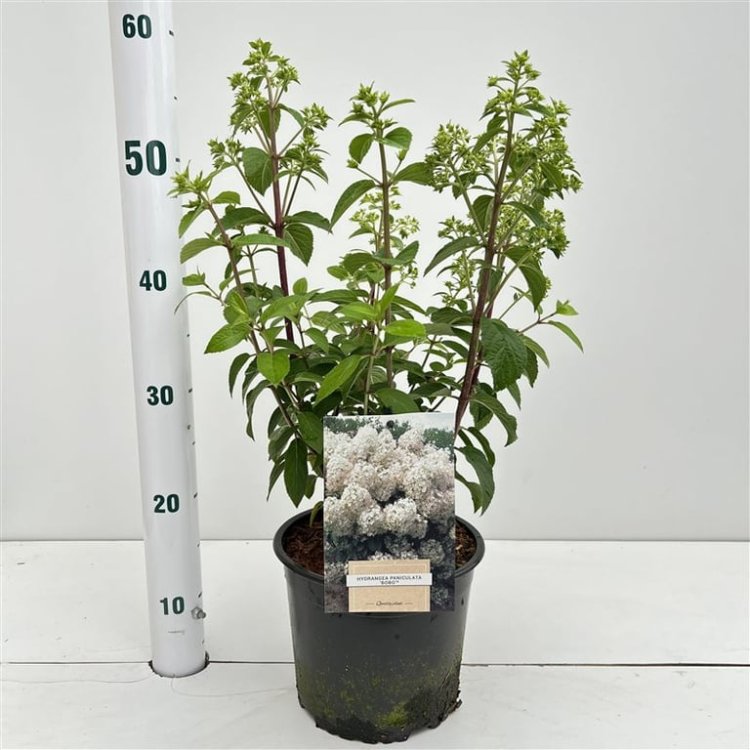
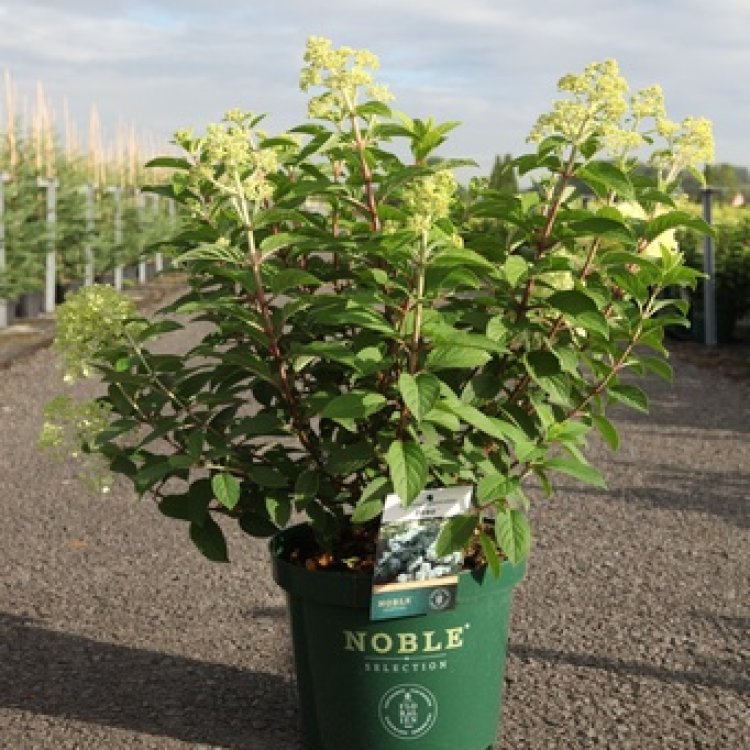
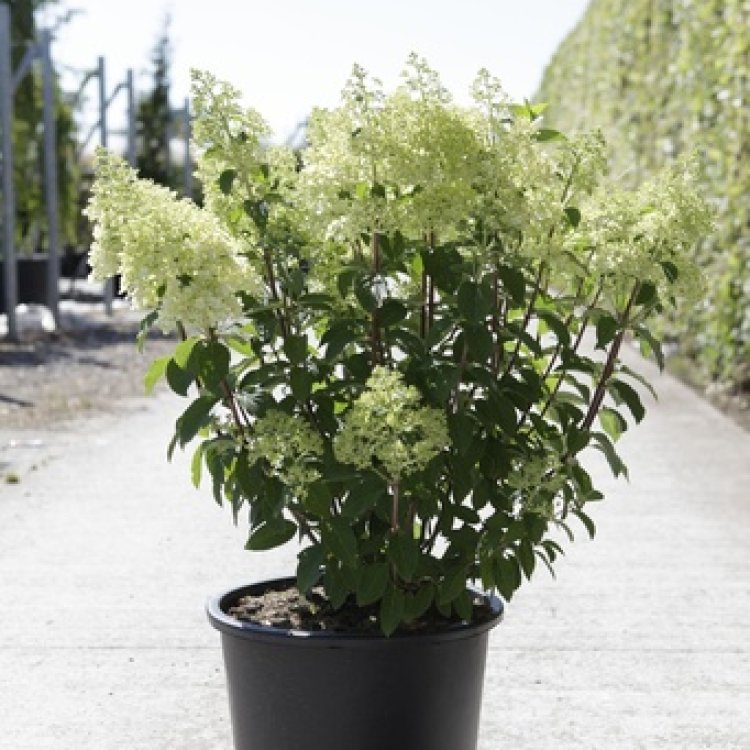
Hydrangea paniculata Bobo is a compact, award-winning panicle hydrangea, offering beautiful colour-changing flowers from July to October. This hardy shrub reaches just 1 metre, perfect for small gardens or containers, attracting bees and butterflies.
2538 in stock
Discover Hydrangea paniculata Bobo, a charming dwarf panicle hydrangea, perfect for adding elegant, long-lasting blooms to your UK garden.
Hydrangea paniculata Bobo is a multi-award-winning deciduous shrub. It is celebrated for its compact growth and abundant floral display. This delightful plant adds a touch of sophistication to any space. It also maintains a neat and tidy form. Gardeners across the UK value this variety for its robust nature. Furthermore, it offers an extended flowering season, making it a reliable choice for consistent beauty. Its adaptability ensures it thrives in various garden settings, easily enhancing small and large areas.
This particular cultivar, ‘Bobo’, earned its name likely due to its delightful, compact habit. It represents a significant achievement in breeding for smaller garden spaces. Thus, many consider it ideal for modern garden designs.
From mid-summer, Hydrangea paniculata Bobo produces an impressive show. It forms large, conical flower heads. Initially, these blooms emerge with a fresh lime-green tint. They then gradually change to pure white as they fully open. As autumn approaches, cooler temperatures encourage a lovely transformation. The flowers develop soft pink tones, adding late-season interest. The plant’s vibrant green foliage provides a beautiful contrast throughout the growing season. This foliage then turns a subtle yellow before falling in winter.
Its neat, rounded shape makes Hydrangea paniculata Bobo incredibly versatile. Gardeners often use it to edge borders. This creates a striking focal point with its prolific flowering. Furthermore, it excels in patio containers. This brings its elegant blooms closer to outdoor living areas. This plant also performs wonderfully in mass plantings. It provides a continuous wave of colour and texture in larger beds. Many gardeners incorporate it into mixed shrub borders, appreciating its manageable size. Therefore, it suits a wide range of garden styles.
To encourage the best possible floral display, gardeners often prune Hydrangea paniculata Bobo. They do this in late winter or early spring. This simple task promotes strong new growth. Subsequently, it leads to larger, more impressive flower panicles. Notably, the abundant flowers provide a valuable source of nectar for various pollinators. Bees and butterflies are regularly observed visiting the blooms. This contributes to a healthy garden ecosystem. This plant makes a fantastic choice for supporting local wildlife.
Hardy in all of the UK and northern Europe. Suitable for exposed sites.
Prune Hydrangea paniculata Bobo in late winter or early spring by removing spent flower heads and any weak or crossing stems to encourage vigorous new growth and abundant flowering. Water regularly during dry spells, especially in the first year after planting and for container-grown specimens. Apply a balanced, slow-release fertiliser in early spring and mulch with organic matter to retain moisture and suppress weeds.
This plant is deciduous so it will lose all of its leaves in the autumn and get fresh new foliage each spring.