£6.80 – £8.23Price range: £6.80 through £8.23
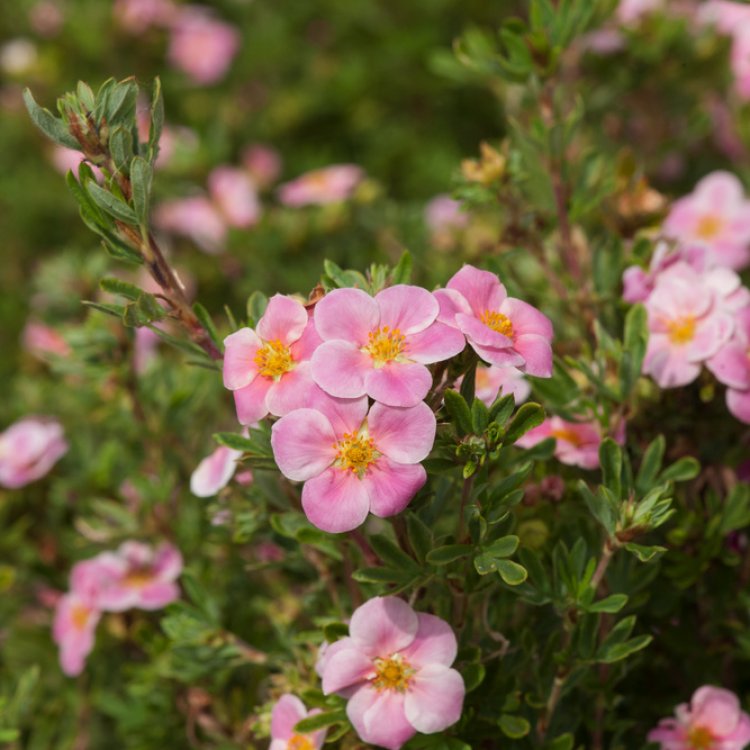
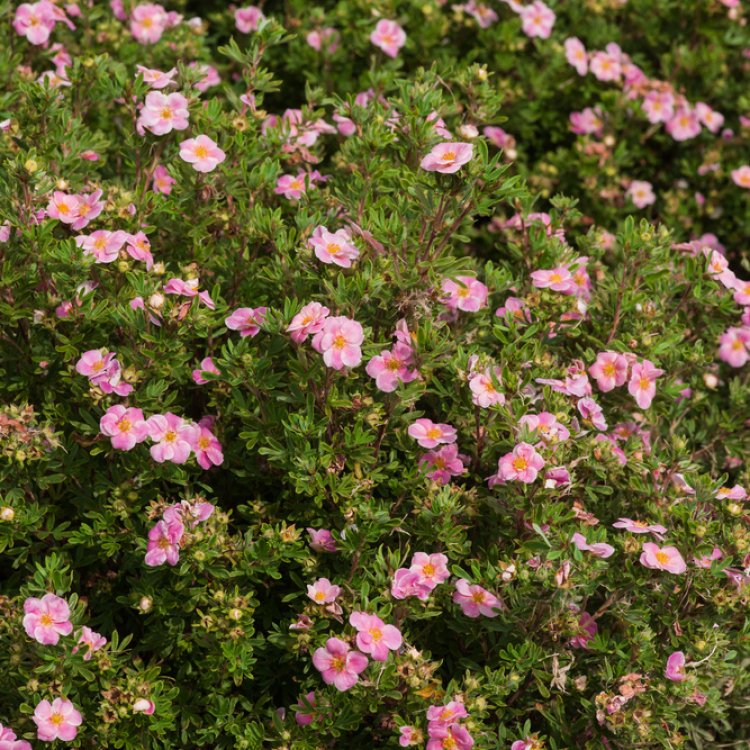
Potentilla fruticosa Pink Paradise, or Shrubby Cinquefoil, offers vibrant pink flowers from June to October. This hardy, compact shrub attracts bees and butterflies, thriving in full sun to partial shade in most well-drained soils. Perfect for borders or containers.
284 in stock
Discover Potentilla fruticosa Pink Paradise, a charming deciduous shrub offering a profusion of delicate pink blooms from early summer right through to autumn, enhancing any garden.
This delightful shrub, often known as Shrubby Cinquefoil, brings vibrant colour to UK gardens for many months. It is incredibly tough and adaptable, thriving in a range of conditions. Gardeners appreciate its reliable display of cheerful pink flowers, making it a garden favourite. Potentilla fruticosa Pink Paradise provides continuous interest and beauty with minimal fuss. It offers an easy way to achieve long-lasting visual appeal.
The name Potentilla comes from the Latin word ‘potens’, meaning powerful. This refers to the plant’s historical medicinal uses. The species name ‘fruticosa’ simply means shrubby, describing its growth form.
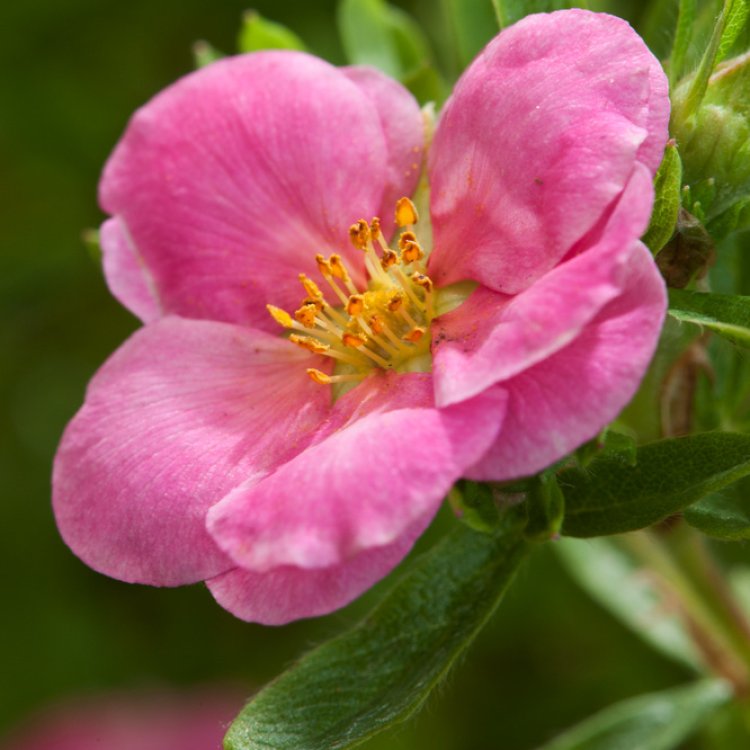
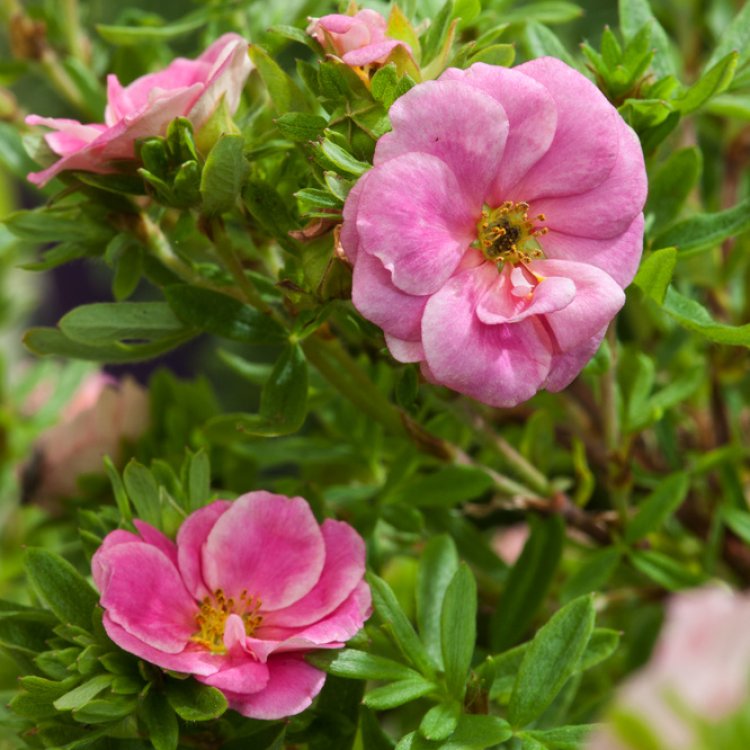
‘Pink Paradise’ identifies this specific cultivar, chosen for its beautiful clear pink flowers. This selection offers a subtle yet striking colour addition to borders and beds. Its small, pinnate, green leaves provide a pleasing backdrop to the blooms. Each flower is saucer-shaped, featuring numerous petals which create a full, appealing look. They appear consistently, ensuring a colourful display.
Potentilla fruticosa Pink Paradise makes an excellent choice for many garden designs. You can plant it in mixed borders, creating a soft, colourful edge. It also works well as low hedging, defining areas without blocking views. Its compact size makes it perfect for rock gardens or smaller spaces.
Consider planting it in containers too, adding continuous summer colour to patios or balconies. The plant tolerates most soil types, provided they drain well. It grows happily in full sun to partial shade, showing great flexibility. This adaptability allows gardeners to place it almost anywhere they need reliable colour.
This lovely shrub is a boon for garden wildlife. Its open flowers attract bees and butterflies, supporting local ecosystems. These beneficial insects gather nectar and pollen, aiding plant reproduction.
To keep Potentilla fruticosa looking its best, a light prune in late winter or early spring is helpful. This encourages new growth and more abundant flowers. Simply remove any old or weak stems. This practice helps maintain a tidy shape and ensures a vigorous, healthy plant for many years. It is an easy task for any gardener to complete. The plant recovers quickly and continues to flourish.
Hardy in the harshest UK conditions and below. Suitable for mountain regions.
Water regularly after planting until established, especially during dry spells. Apply a general-purpose fertiliser in spring to support healthy growth and flowering. Prune lightly in late winter or early spring to remove any dead or weak stems and to maintain a compact shape. This encourages vigorous new growth and a profusion of blooms. Deadhead spent flowers if desired, though not strictly necessary for continuous flowering.
This plant is deciduous so it will lose all of its leaves in the autumn and get fresh new foliage each spring.