£8.01 – £9.41Price range: £8.01 through £9.41
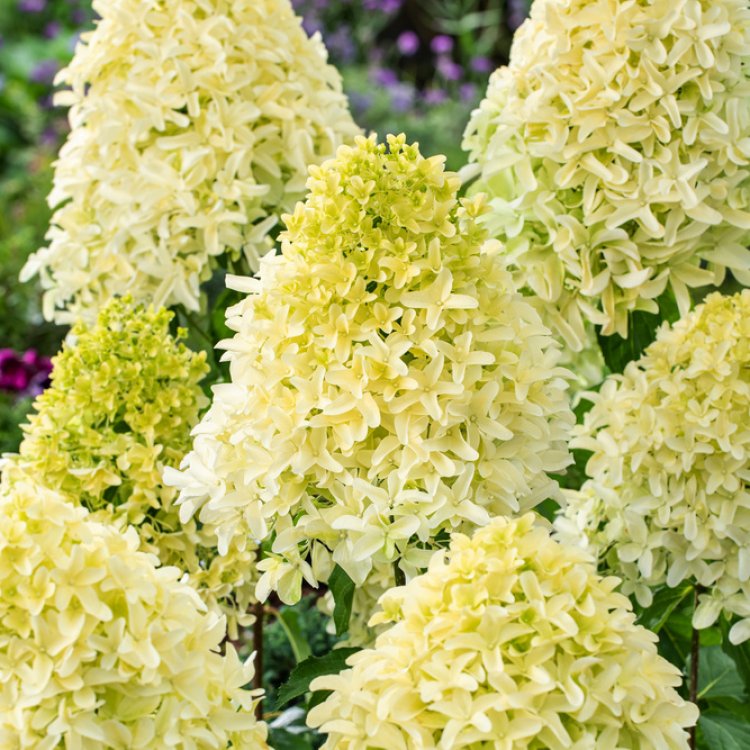
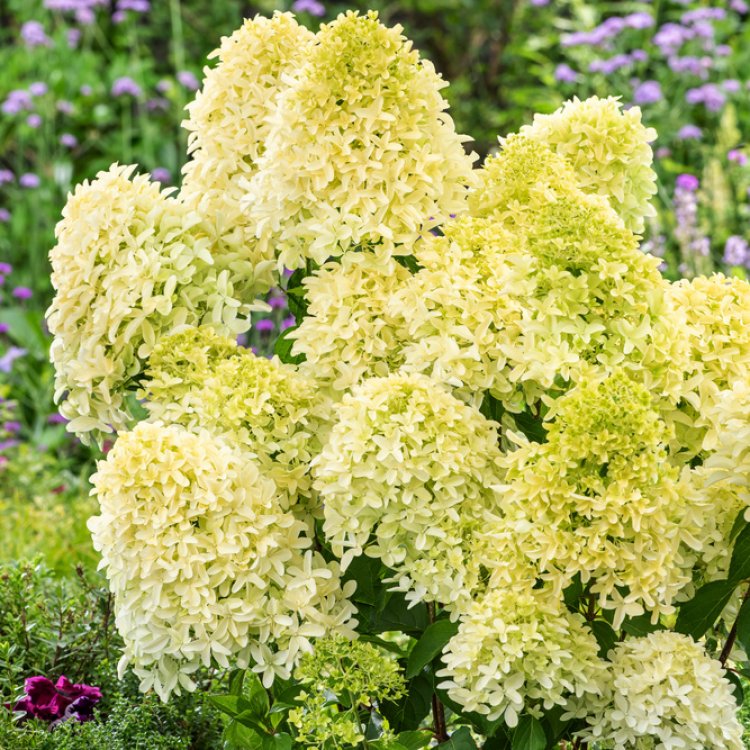
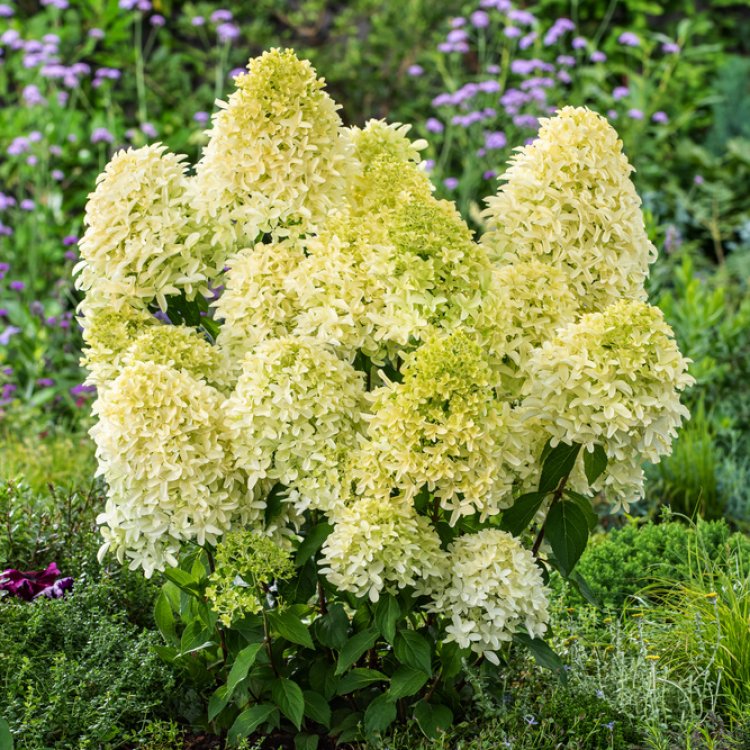
Hydrangea paniculata ‘Skyfall’ dazzles with its enormous, pure white, hyacinth-like flowers from summer to autumn. These spectacular blooms gracefully transform to soft pink, supported by strong stems, offering extended garden interest and attracting pollinators.
342 in stock
Hydrangea paniculata ‘Skyfall’ presents a breathtaking spectacle with its enormous, pure white, hyacinth-like flower panicles, dominating gardens from summer into autumn.
This exceptional deciduous shrub offers great beauty and strong performance in UK gardens. Its striking blooms start pure white. Then, they slowly turn soft pink. ‘Skyfall’ has strong, upright stems. These stems easily hold up the magnificent flower heads, even after heavy rain. Gardeners like its reliable flowering. It brings dramatic texture and colour to any outdoor space. So, it makes a superb choice for many garden designs.
The Hydrangea paniculata ‘Skyfall’ truly stands out with its many unique flowers. This special plant grows huge, long flower heads. They look like hyacinths, which makes them charming. These amazing flowers start as a crisp, clean white. They bring fresh elegance to the garden. As late summer and early autumn arrive, the flowers slowly gain soft pink tones. This shift in colour adds more beauty. It gives a longer period of interest for your garden.
Alongside its great blooms, Hydrangea paniculata ‘Skyfall’ has lush, dark green leaves. These ovate leaves make a green backdrop all season. This shrub loses its leaves in winter. It forms a neat, upright bush. It grows to about 1.5 metres tall and wide. So, it creates a strong and important part of your landscape. Its strong shape helps the large flower heads stay upright. They do not droop.
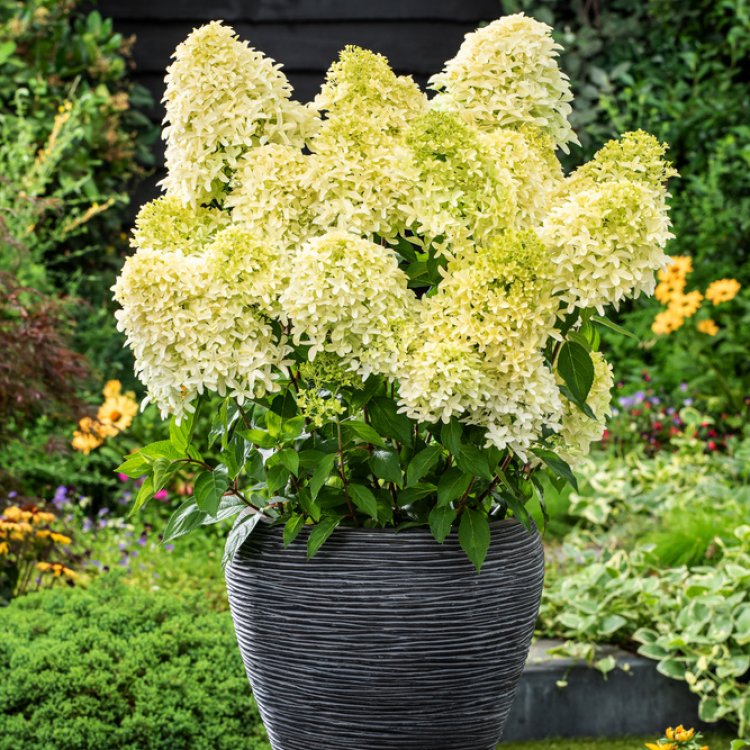
Gardeners often choose Hydrangea paniculata ‘Skyfall’ because it is so useful. It works well as a lovely specimen plant. This makes it a key feature in any garden. Also, you can easily place it in mixed borders. There, its late flowers keep the show going after other plants fade. Its good size also makes it ideal for big patio pots. This gives you freedom in how you plan your garden. When you plant several together, they form a nice informal hedge. They define areas well.
Besides its beauty, Hydrangea paniculata ‘Skyfall’ helps garden wildlife. Its many small flowers attract various pollinators. These include busy bees and bright butterflies. They visit especially in late summer. By choosing this plant, you help local wildlife. You also make your garden more diverse.
To get the best flowers and keep the plant healthy, regular pruning helps. Gardeners usually prune Hydrangea paniculata ‘Skyfall’ in late winter or early spring. This cutting helps new, strong stems grow. These stems then produce the largest and most striking flowers. You can cut it back to a main frame. Or, you can prune it harder for a smaller plant. This choice depends on how you want your garden to look.
Hardy in all of the UK and northern Europe. Suitable for exposed sites.
Plant in a moist, well-drained spot with good light. Water regularly, especially during dry spells and in its first year. Apply a balanced, slow-release fertiliser in early spring. Prune in late winter or early spring, cutting back stems to strong buds or an established framework to encourage robust new growth and larger flowers. Mulch around the base with organic matter annually to retain moisture and suppress weeds.
This plant is deciduous so it will lose all of its leaves in the autumn and get fresh new foliage each spring.