£5.96 – £7.38Price range: £5.96 through £7.38
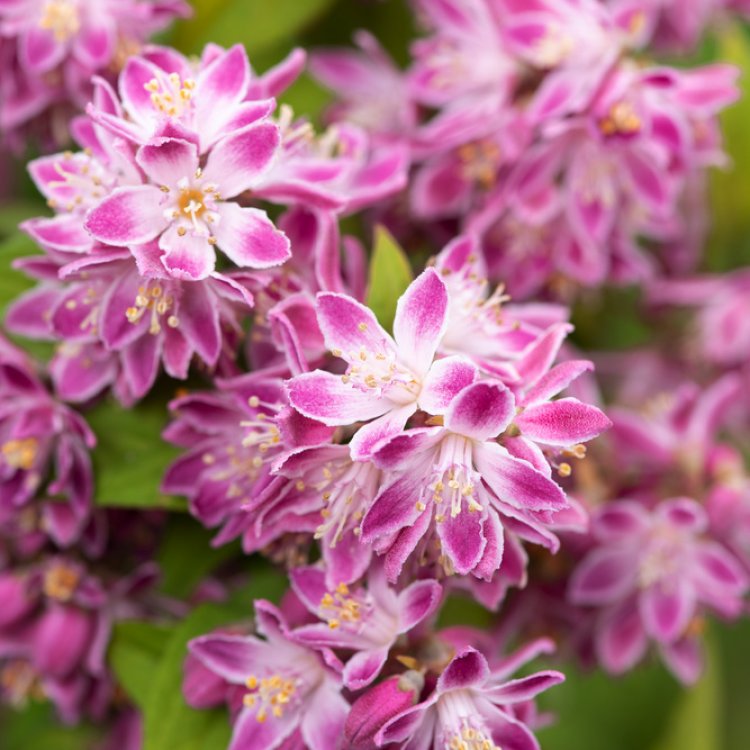
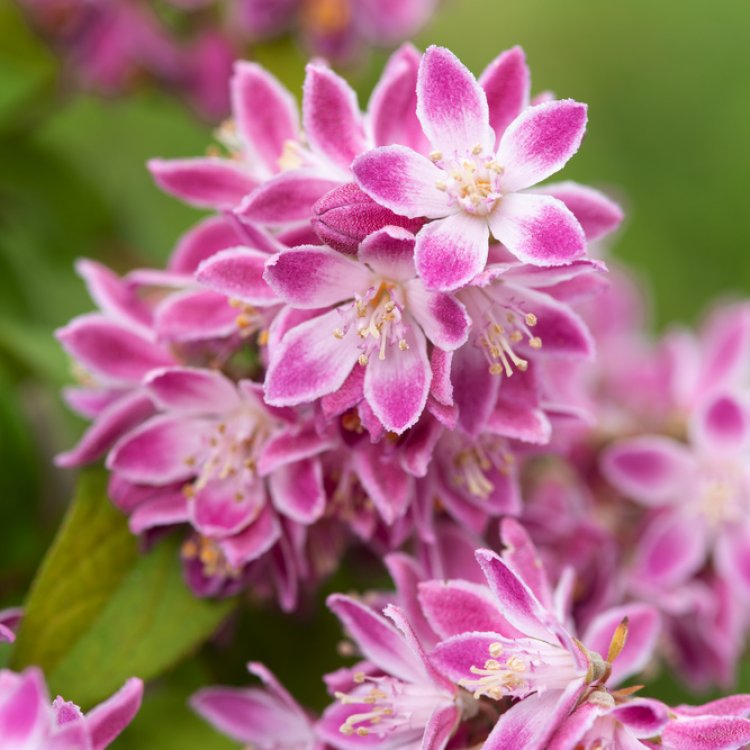
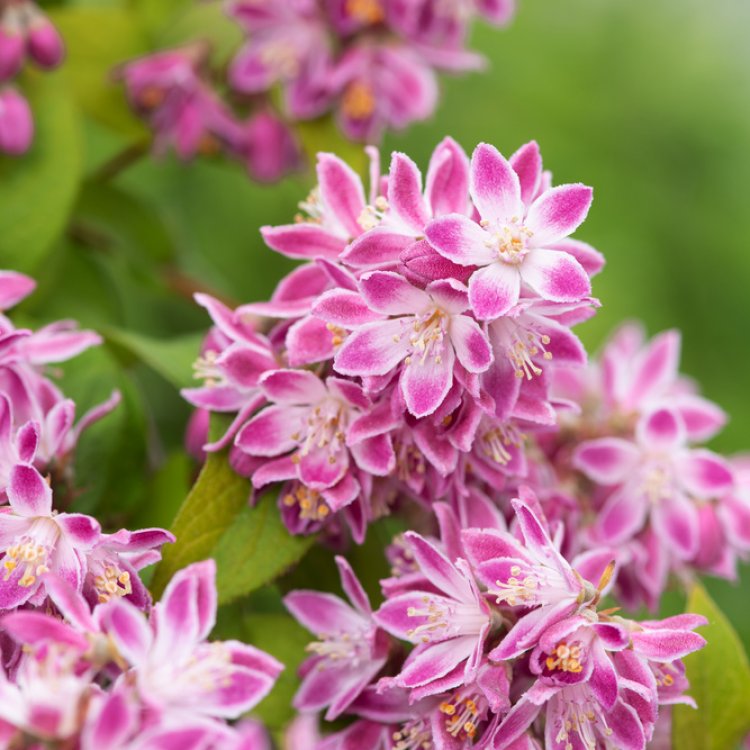
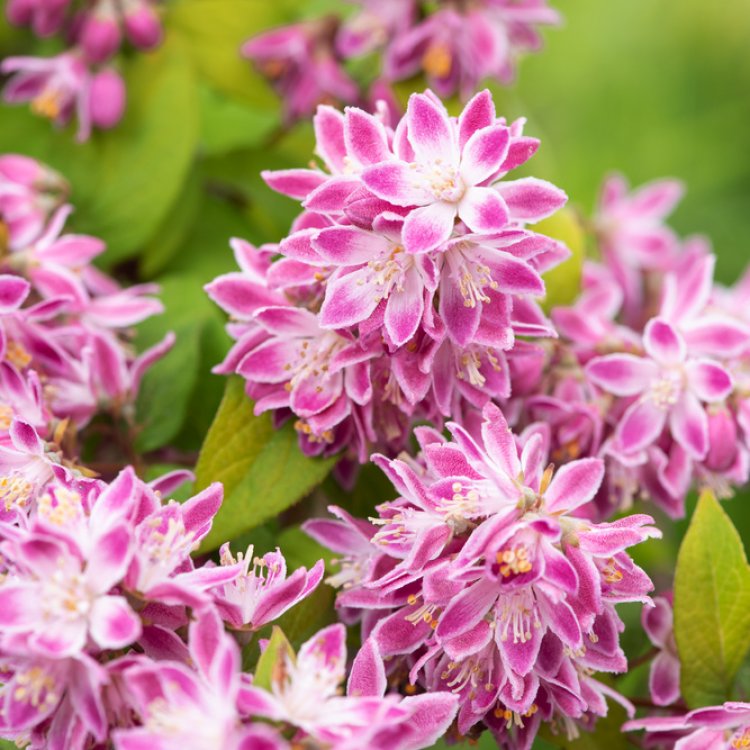
Deutzia hybrida ‘Strawberry Fields’ offers a captivating display of vibrant, strawberry-pink flowers with white centres from late spring. This easy-care, compact shrub provides excellent seasonal colour and attracts pollinators, making it a delightful addition to any UK garden.
135 in stock
Deutzia hybrida ‘Strawberry Fields’ brings a burst of colour to your garden. This resilient shrub offers abundant, vibrant, strawberry-pink flowers.
As spring transitions into early summer, this delightful Deutzia becomes a focal point. Its cheerful blooms captivate the eye. Gardeners across the UK value its easy-care nature. This plant combines beauty with practicality. Its compact size makes it perfect for various garden settings. It offers continuous appeal throughout its growing season.
Vibrant, strawberry-pink flowers with contrasting white centres.
A compact, bushy habit, ideal for smaller spaces.
Attracts valuable pollinators like bees and butterflies.
Low maintenance, requiring minimal annual pruning.
Deciduous foliage, providing seasonal interest.
Deutzia hybrida ‘Strawberry Fields’ is a true garden star. It belongs to a group of popular flowering shrubs. This cultivar shines with its unique bloom colour. Gardeners cherish its reliable performance. The name ‘Strawberry Fields’ aptly describes its stunning flower hue. It evokes images of sweet, ripe berries. This hybrid plant combines excellent traits from its parent species. It offers improved vigour and bloom quality.
Come late spring, Deutzia ‘Strawberry Fields’ bursts into flower. It produces a profusion of bell-shaped blooms. Each flower showcases a rich strawberry-pink. A delicate white centre provides a charming contrast. These cheerful flowers appear in clusters along the stems. They offer a beautiful display for weeks on end. Furthermore, its fresh green leaves provide a verdant backdrop. This foliage remains attractive right through autumn. Then it drops for winter.
This Deutzia variety suits many garden designs. Its moderate size means it fits well into mixed borders. Use it to create a colourful informal hedge. It also looks stunning as a specimen plant. Plant it near paths where its beauty can be fully admired. Furthermore, it thrives in large containers. This allows flexible placement on patios or balconies. It grows well in most UK garden settings. Therefore, many gardeners choose this plant.
Beyond its aesthetic appeal, Deutzia hybrida ‘Strawberry Fields’ benefits nature. Its numerous flowers act as a magnet for pollinators. Bees and butterflies visit frequently. They collect nectar from its open blooms. This makes it an excellent choice for wildlife-friendly gardens. Indeed, planting this shrub helps support local ecosystems. It adds life and movement to your outdoor space.
Hardy in all of the UK and northern Europe. Suitable for exposed sites.
Water newly planted Deutzia hybrida 'Strawberry Fields' regularly until established, especially during dry periods. Mature plants are more drought-tolerant but benefit from occasional watering in prolonged dry spells.
Prune after flowering, typically in late summer, to maintain an attractive shape and promote vigorous growth. Remove any old, weak, or crossing stems at the base. You can also shorten flowered stems by about one-third.
Apply a balanced granular fertiliser around the base of the plant in early spring. A layer of organic mulch, such as well-rotted compost, also helps to improve soil structure and retain moisture.
Deutzia is generally trouble-free, with good resistance to most common pests and diseases. Watch for aphids or powdery mildew, though these are rare and seldom severe.
This plant is deciduous so it will lose all of its leaves in the autumn and get fresh new foliage each spring.