£5.85 – £7.25Price range: £5.85 through £7.25
Deutzia gracilis is a charming deciduous shrub, celebrated for its abundant clusters of pure white, star-shaped flowers that light up UK gardens in late spring. This compact plant offers delicate beauty and attracts pollinators.
800 in stock
Discover Deutzia gracilis, a truly enchanting deciduous shrub celebrated for its profusion of delicate white flowers, bringing elegance to any UK garden space.
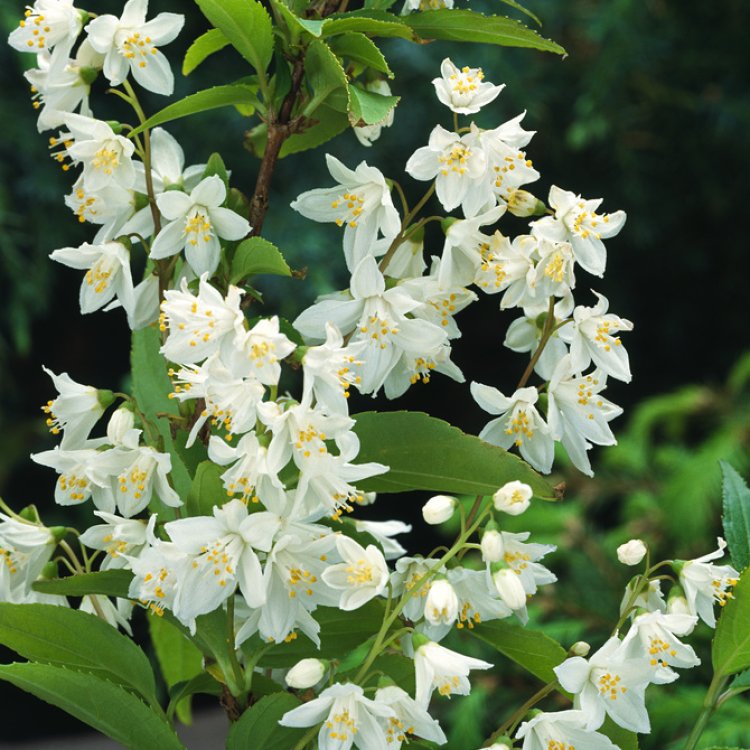
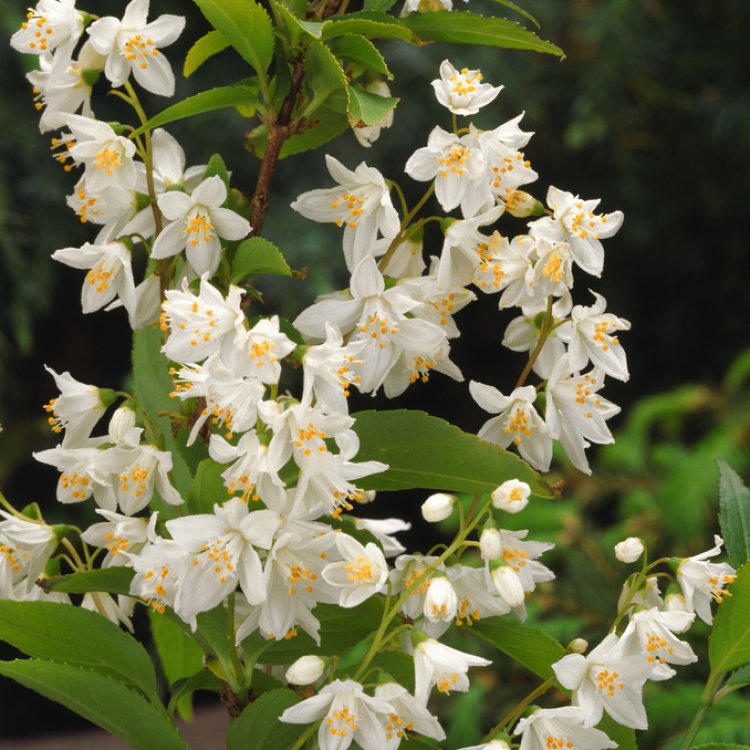
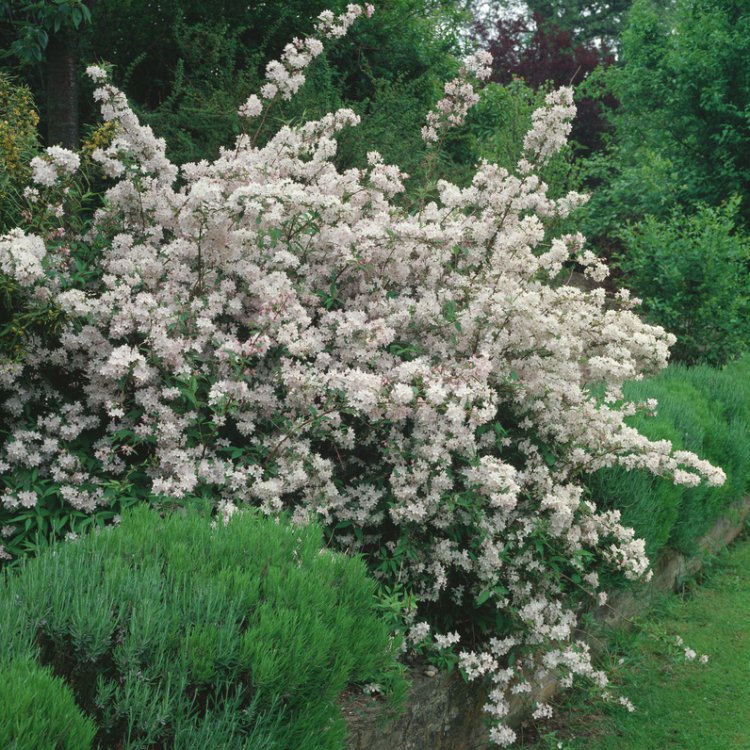
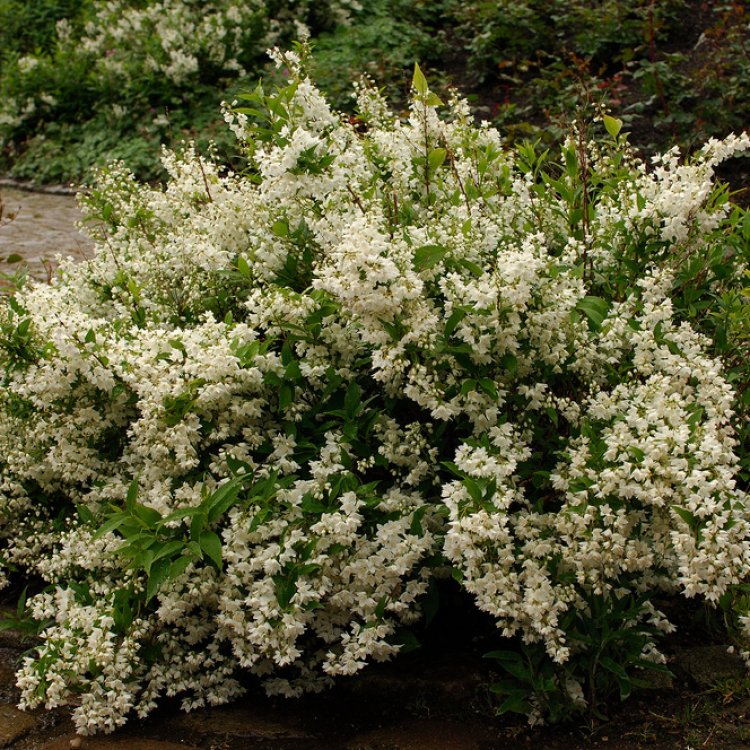
Deutzia gracilis, often simply referred to as Deutzia, is a charming addition to any garden. It is renowned for its spectacular floral display. This compact, bushy shrub graces the landscape with an abundance of pure white, star-shaped blooms. It creates a breathtaking spectacle from late spring into early summer.
It is widely admired for its graceful arching stems and vibrant green foliage. These features together form an appealing backdrop even when not in flower. Furthermore, its easy-care nature makes it a perfect choice for both novice and experienced gardeners seeking reliable beauty.
The genus name Deutzia honours Johan van der Deutz, an 18th-century Dutch amateur botanist. Meanwhile, its species epithet, gracilis, is Latin for ‘slender’, which accurately describes the plant’s delicate growth habit and refined appearance. This elegant shrub originated from Japan, where it thrives in natural woodland settings.
As spring transitions into summer, Deutzia gracilis bursts into life with an incredible display of flowers. Clusters of pristine white, bell-shaped blooms emerge along its slender, arching branches. These exquisite flowers are not only beautiful but also emit a subtle, pleasant fragrance, inviting closer inspection.
The vibrant green, serrated leaves provide a fresh, verdant contrast to the white blossoms. When autumn arrives, the foliage offers a brief moment of subtle yellow before falling. This signals its deciduous nature and prepares the plant for winter dormancy.
Its compact size and graceful form make Deutzia gracilis exceptionally versatile in the garden. For example, it serves wonderfully as a front-of-border plant, creating a soft, flowering edge. It also excels when mass-planted for a stunning wave of white.
Similarly, it looks splendid in mixed shrub beds where its spring display can be truly appreciated. Furthermore, it performs admirably in containers, allowing its beauty to be enjoyed on patios or balconies. Gardeners often use it to add structure to rock gardens due to its neat habit.
Significantly, the nectar-rich flowers are a magnet for local wildlife. Bees and other pollinators eagerly visit the blooms, contributing greatly to garden biodiversity. Planting Deutzia supports these vital insects, helping them thrive within your outdoor space.
To maintain the plant’s vigour and ensure abundant flowering year after year, occasional pruning is beneficial. Specifically, after the flowering period finishes in summer, remove any spent flower stems. It is also wise to cut back a few of the oldest, woody stems right to the base. This practice encourages fresh, new growth from the plant’s base, which subsequently produces the best flower displays.
Very hardy. Tolerates temperatures typical of a continental winter.
Water regularly during dry periods, especially when establishing. Prune after flowering in summer by removing spent flower stems and a few of the oldest, woody stems from the base to encourage new growth. Apply a balanced general-purpose fertiliser in spring. Ensure well-drained soil.
This plant is deciduous so it will lose all of its leaves in the autumn and get fresh new foliage each spring.