£8.01 – £9.41Price range: £8.01 through £9.41
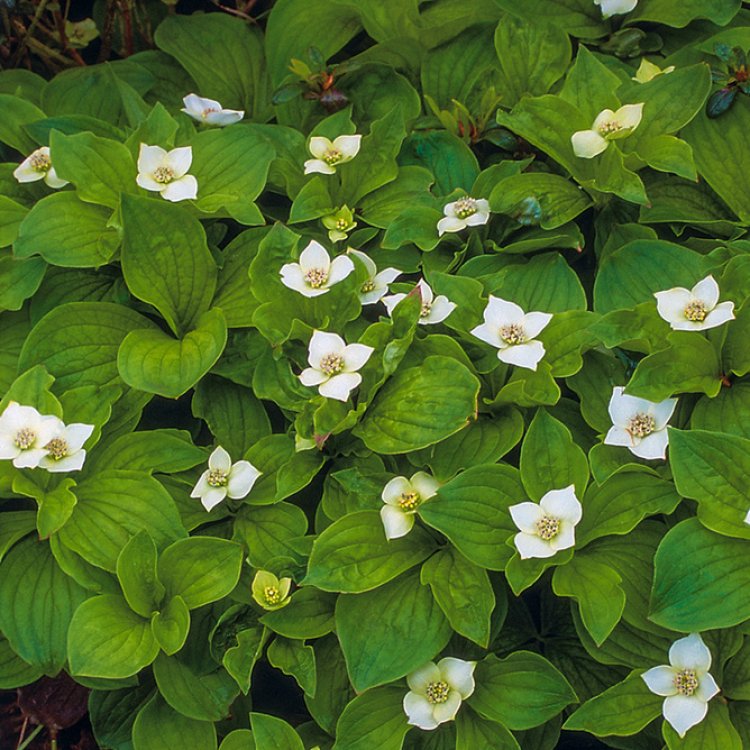
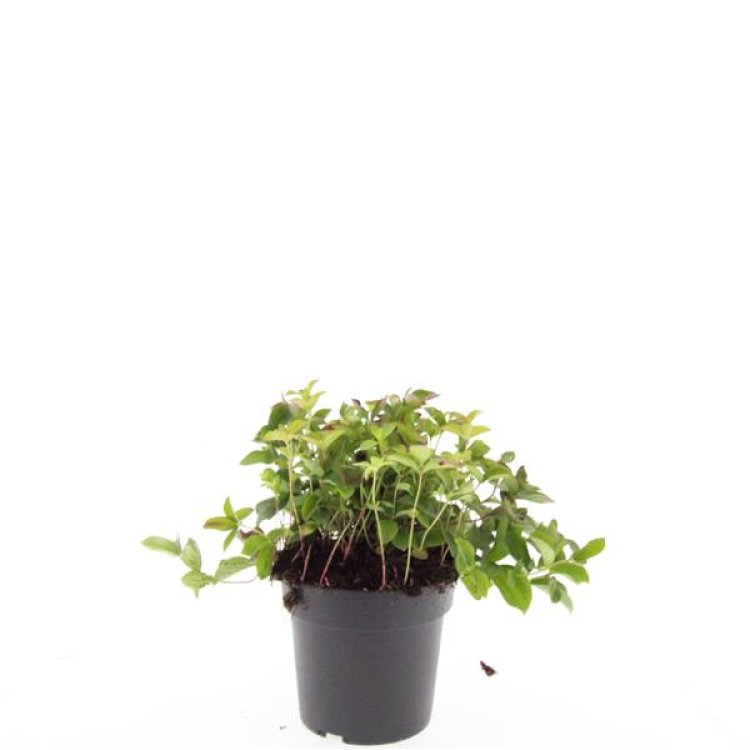
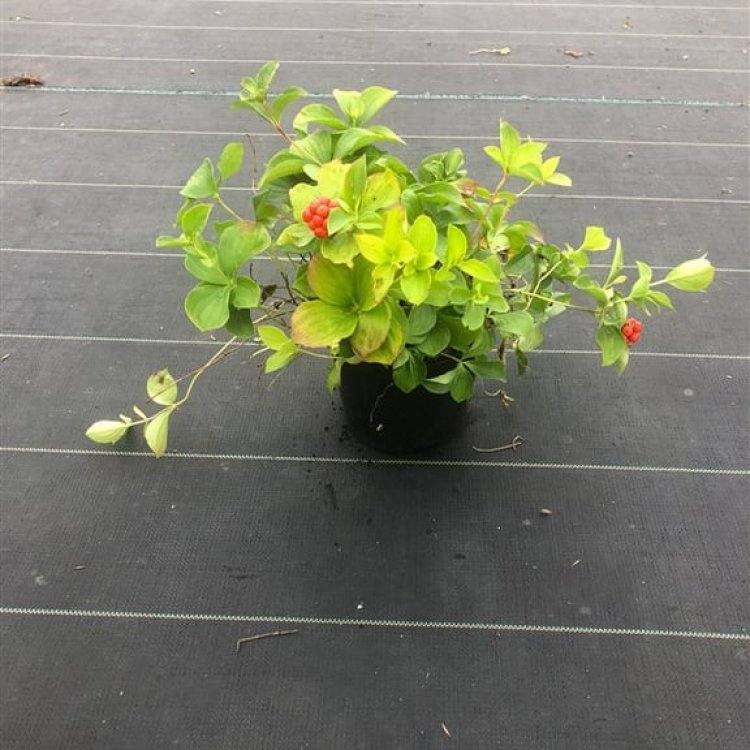
Cornus canadensis, the charming Bunchberry, is a low-growing perennial admired for its striking white bracts in summer, followed by bright red autumn berries. Its beautiful foliage provides year-round appeal, turning vivid colours before winter. Perfect for shady UK garden spots.
166 in stock
Cornus canadensis, the charming Bunchberry, is a delightful herbaceous perennial, perfect for bringing seasonal interest and groundcover to UK woodland gardens.
This low-growing gem captivates with its delicate appearance and robust nature. Native to the cool forests of North America and East Asia, Cornus canadensis thrives in conditions reminiscent of its natural habitat. It forms a lush, spreading carpet, adding a touch of understated beauty to shaded areas. As such, it is a superb choice for gardeners seeking to create a tranquil, naturalistic feel within their outdoor spaces here in the UK.
Cornus canadensis is often called Bunchberry due to its clusters of berries. It is a distinct species within the Dogwood family. Unlike its larger tree or shrub relatives, this plant is a herbaceous perennial or a small subshrub. It grows close to the ground. Strong rhizomes allow it to spread gently. These rhizomes help it form a lovely, continuous mat of foliage. Its native range extends across colder regions. This includes Canada, which explains its scientific name ‘canadensis’. This name simply means “of Canada”.
The plant’s most striking feature unfolds in late spring and early summer. This is when its white, four-petalled bracts emerge. They surround a central cluster of tiny true flowers. These bright bracts create a vivid contrast against the rich green leaves.
As summer deepens, small green berries form. They ripen into brilliant, glossy red clusters by late summer and autumn. These colourful fruits are highly attractive. Birds often feast on them, which aids seed dispersal. Later in the season, its lush green leaves transform. They shift into stunning shades of purple and red. This provides extended visual interest well into autumn.
Cornus canadensis makes an excellent choice for a wide range of garden uses. It thrives particularly well in shady or dappled light conditions. Therefore, it is ideal for underplanting beneath trees or shrubs. Use it to edge woodland borders.
It also creates a naturalistic groundcover in larger, shaded rock gardens. Its low-growing habit means it rarely needs pruning. Simply remove any tired or damaged foliage to maintain its neat appearance. Furthermore, it attracts various garden visitors. Its berries provide a welcome food source for local birds. This enhances the biodiversity of your garden space.
Hardy in the harshest UK conditions and below. Suitable for mountain regions.
Keep the soil consistently moist, especially during dry spells, as Cornus canadensis prefers damp conditions. Plant in humus-rich, acidic soil; amend with leaf mould or peat-free compost if your soil is poor. Apply a spring mulch of organic matter to help retain moisture and suppress weeds. Pruning is minimal; simply remove any dead or damaged foliage to keep the plant tidy. This plant is generally trouble-free regarding pests and diseases. Feeding is not typically required in rich soil, but a light application of ericaceous fertiliser in spring can be beneficial on less fertile ground.
This plant is deciduous so it will lose all of its leaves in the autumn and get fresh new foliage each spring.