£9.81 – £12.17Price range: £9.81 through £12.17
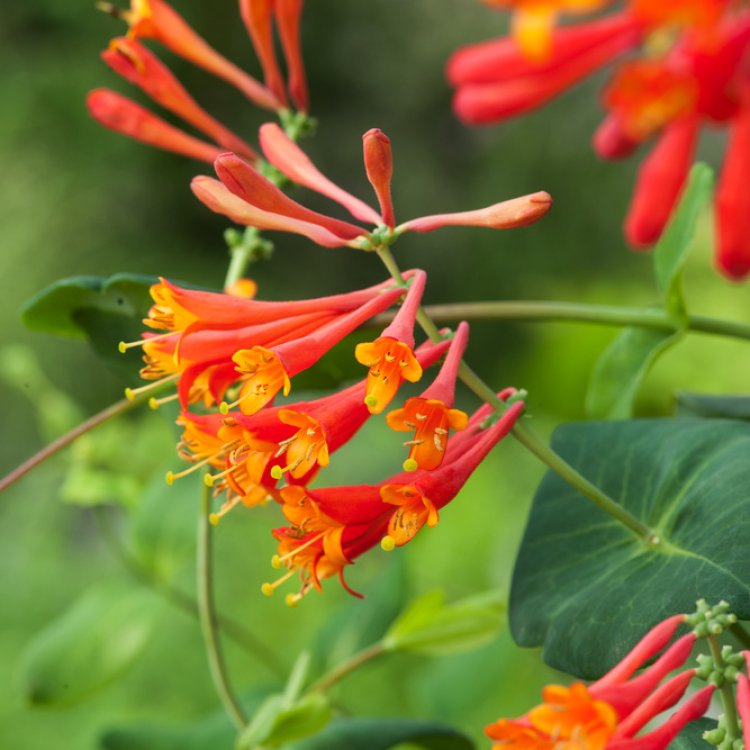
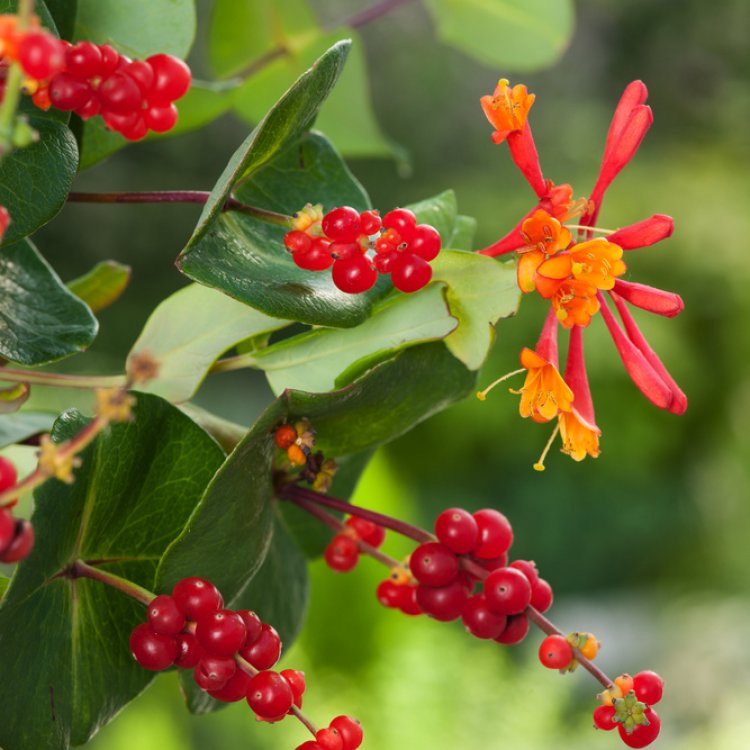
Lonicera brownii ‘Dropmore Scarlet’ is a vibrant deciduous honeysuckle, gracing UK gardens with stunning scarlet-orange trumpet flowers from summer to autumn. This vigorous climber attracts bees and butterflies, adding beauty and life to your outdoor space with ease.
268 in stock
Lonicera brownii ‘Dropmore Scarlet’ is a truly fine climber. It has bright scarlet-orange flowers and grows well in UK gardens.
This lovely honeysuckle, also known as Dropmore Scarlet Honeysuckle, adds much colour to any garden space. It comes from a hybrid cross. This makes it a strong, pretty plant. Its unique blooms offer a great show, making it a garden favourite. Also, it helps local wildlife. This makes your garden a home for many creatures.
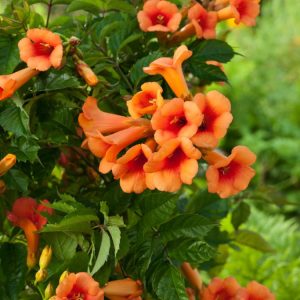
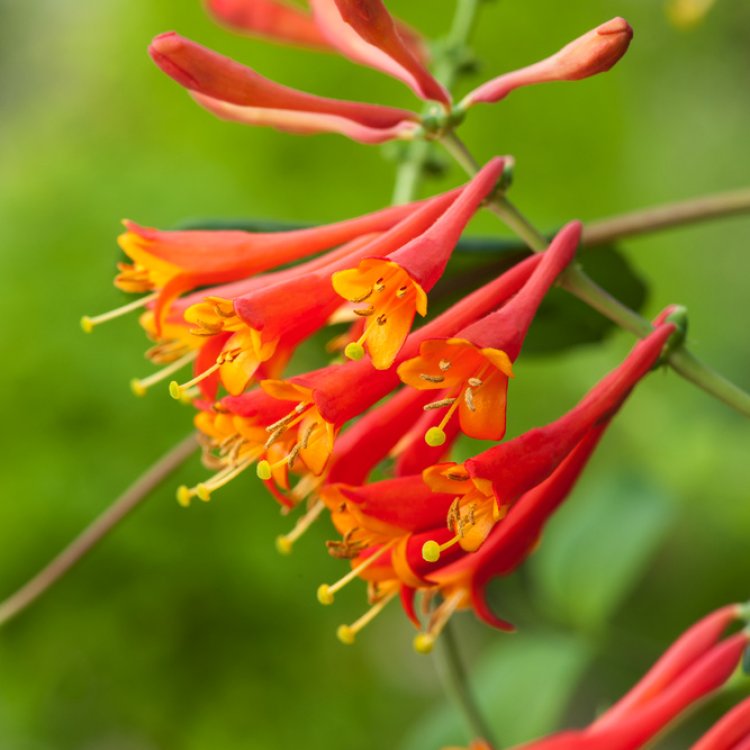
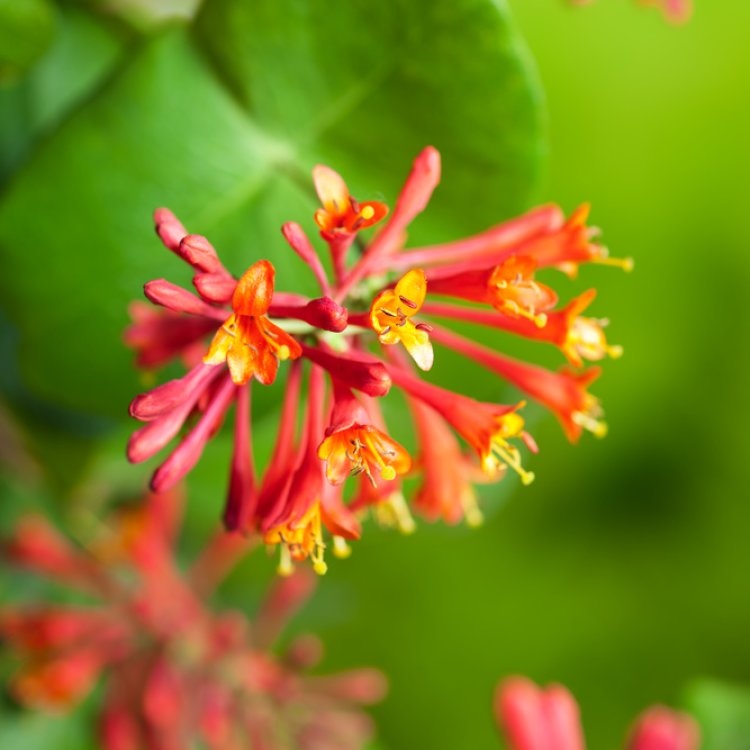
Bright scarlet-orange, tube-shaped flowers bloom from summer to autumn.
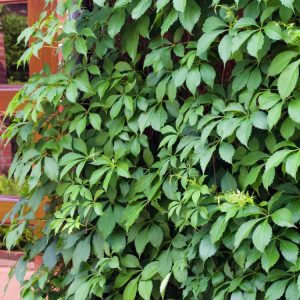
Nice blue-green leaves form a clear background for the flowers.
It climbs strongly, great for walls, fences, and garden arches.
It draws in bees and butterflies, helping garden wildlife.
Very hardy, it grows well across all UK areas with little fuss.
Lonicera brownii ‘Dropmore Scarlet’ is a superb hybrid plant. It is a mix of Lonicera sempervirens and Lonicera hirsuta. Breeders in Canada made it. They chose it for its strong nature and good looks. The name ‘Dropmore’ shows its garden origin. This honeysuckle is now a top pick. Gardeners love its sure blooms and easy growth.
This honeysuckle truly shines with a long flower season. From early summer, often June, until the first frosts in October, it gives many bright, trumpet-shaped flowers. These vivid scarlet-orange blooms grow in groups. They create a rich visual show. The blue-green oval leaves look good too. They make the plant pretty even before flowers open.
Lonicera brownii ‘Dropmore Scarlet’ works well in many garden spots. It is a good choice for arches, pergolas, or strong fences. It makes a thick screen of leaves and flowers. This honeysuckle can also climb poles, adding height to beds. Gardeners use it to soften hard lines. Its flowers have much nectar. They pull in wildlife like bees and butterflies. This makes your garden lively.
This plant grows well, yet needs little care. It gains from light pruning after it flowers, usually in late summer. This helps keep its shape and size. It also makes more flowers next year. Just cut off dead or weak stems. Shorten any very long shoots. This simple work keeps the plant healthy. It ensures a steady show of its stunning scarlet blooms.
Very hardy. Tolerates temperatures typical of a continental winter.
Water Lonicera brownii 'Dropmore Scarlet' regularly during dry spells, particularly in its first year of establishment. Feed with a balanced fertiliser in spring to support vigorous growth and flowering. Prune lightly after the main flowering period in late summer or early autumn to maintain its shape, control size, and promote abundant blooms for the following year. Remove any dead, damaged, or weak stems, and shorten overly long shoots to keep the plant tidy. Provide sturdy support for its climbing stems, such as a trellis, pergola, or strong fence. Apply a mulch of garden compost in spring to help retain soil moisture and suppress weeds around the base.
This plant is deciduous so it will lose all of its leaves in the autumn and get fresh new foliage each spring.