£11.97 – £14.33Price range: £11.97 through £14.33
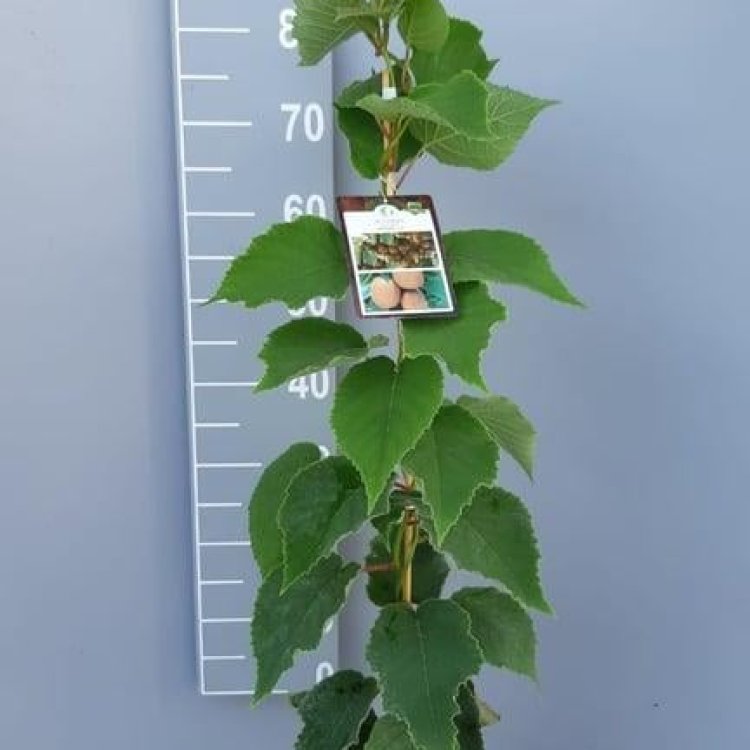
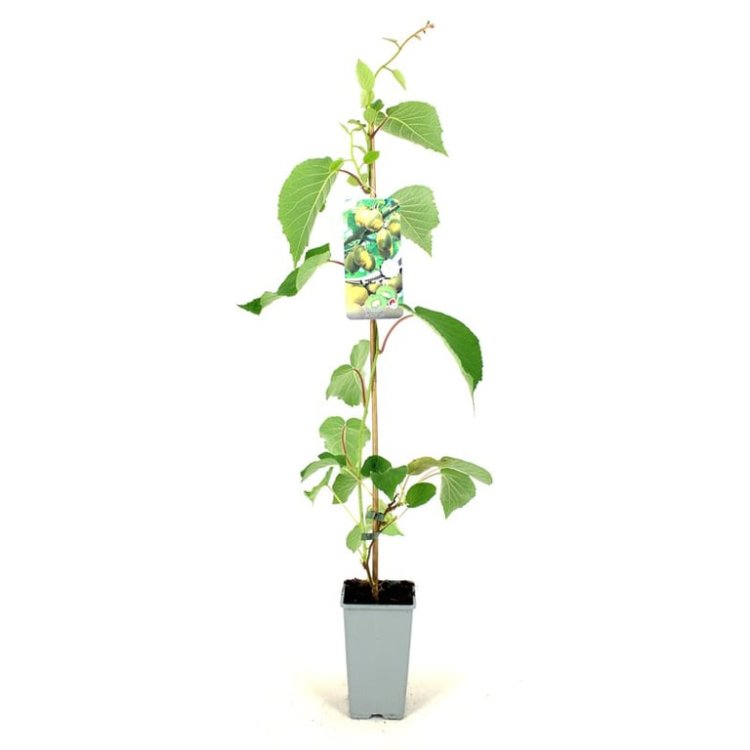
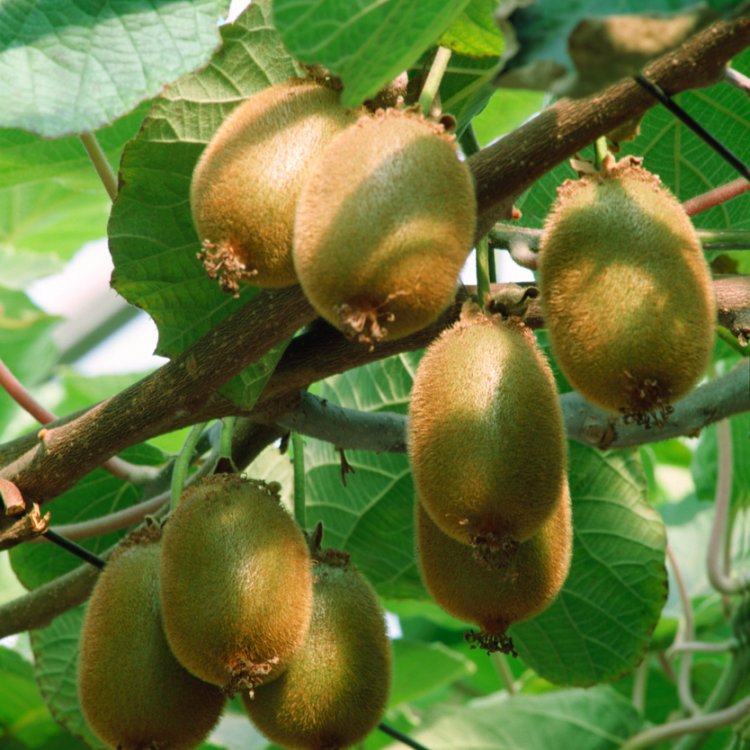
Grow your own delicious kiwi fruits with Actinidia deliciosa ‘Jenny’. This self-fertile vine thrives in UK gardens, producing creamy white flowers and a rewarding autumn harvest of fuzzy, tasty fruits. It also attracts beneficial pollinators.
373 in stock
Discover Actinidia deliciosa ‘Jenny’, the self-fertile kiwi fruit, a fantastic climbing plant perfect for UK gardeners seeking delicious homegrown produce.
This wonderful kiwi vine brings an exotic touch to any garden. It offers lush foliage and, crucially, a reliable crop of tasty kiwi fruits without needing a separate male plant. Actinidia deliciosa ‘Jenny’ thrives in our climate, making it an excellent choice for a sunny, sheltered spot. Its vigorous growth quickly creates an attractive screen, while its flowers attract vital pollinators. This versatile plant truly enhances outdoor spaces.
Actinidia deliciosa ‘Jenny’ is widely known as Kiwi Fruit or Chinese Gooseberry. This cultivar stands out because it is self-fertile. Therefore, you only need one plant to get a harvest. The ‘Jenny’ name likely honours someone or refers to a specific characteristic, a common practice in horticulture. This unique trait simplifies growing this rewarding plant in British gardens significantly.
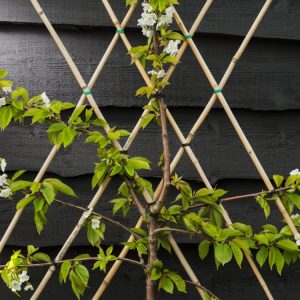
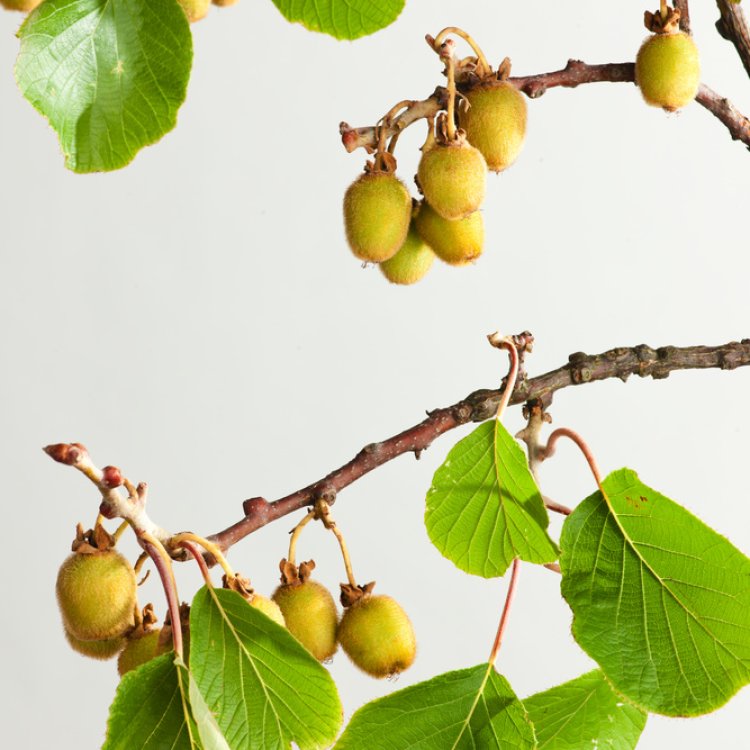
Each spring, Actinidia deliciosa ‘Jenny’ bursts into life with large, vibrant green, heart-shaped leaves. These provide lush cover through the warmer months. Creamy white flowers appear in late spring to early summer. These blossoms are simple yet charming. Importantly, they attract various beneficial insects, including bees, which help with pollination. Following successful pollination, the plant develops its distinctive, fuzzy-skinned fruits. These delicious kiwis mature and become ready for picking during the autumn months.
This vigorous climbing vine needs strong support. Plant it against a sturdy trellis, a wall, or over a pergola. It will quickly create a dense, green screen, offering both beauty and shade. Proper pruning is key to a healthy Actinidia deliciosa ‘Jenny’ and good fruit production. You should prune it in winter to establish its structure. Summer pruning helps manage growth and ensures the plant directs energy towards fruit development, making it productive for years.
The creamy white flowers produced by Actinidia deliciosa ‘Jenny’ are a true magnet for pollinators. Bees, in particular, visit the blooms frequently. This activity helps support local bee populations and promotes garden biodiversity. Choosing this plant means you are adding both aesthetic appeal and ecological value to your outdoor space, creating a lively environment for helpful garden visitors.
Hardy across most of the UK except particularly exposed or cold regions.
Provide a strong, robust support system like a trellis, pergola, or sturdy wires. Kiwi vines are vigorous climbers.
Keep the soil consistently moist, especially during dry spells and when fruits are developing. Avoid waterlogging.
Apply a balanced fertiliser in early spring as new growth begins. A top-dressing of well-rotted manure or compost can also be beneficial.
Prune in winter (December-February) to establish a framework and remove dead, damaged, or crossing branches. In summer (June-August), prune side shoots back to 4-6 leaves beyond the last fruit, or to two leaves if no fruit is present, to encourage fruit development and manage growth.
Fruits ripen in autumn (typically October-November). Pick fruits when they are slightly soft to the touch. They can be harvested slightly firm and ripened indoors.
Generally robust, but keep an eye out for common garden pests. Ensure good air circulation to prevent fungal issues.
Plant in a sheltered spot that receives full sun for optimal fruit production.
This plant is deciduous so it will lose all of its leaves in the autumn and get fresh new foliage each spring.