£11.97 – £14.33Price range: £11.97 through £14.33
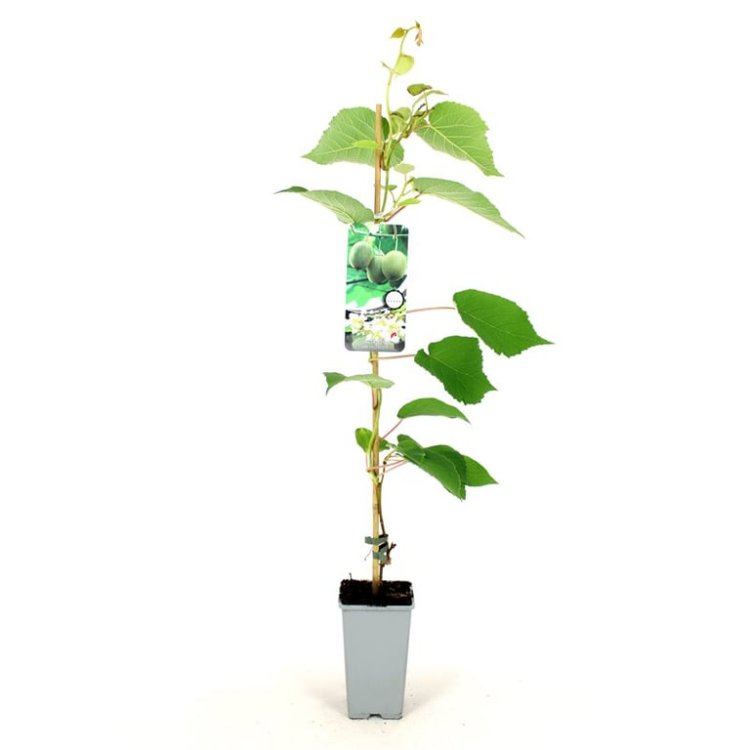
Grow Actinidia deliciosa ‘Hayward’, the popular female Kiwifruit vine, for large, flavourful fruits. This vigorous climber needs full sun, strong support, and a male pollinator nearby. It adds lush foliage and screens with ease in your UK garden.
438 in stock
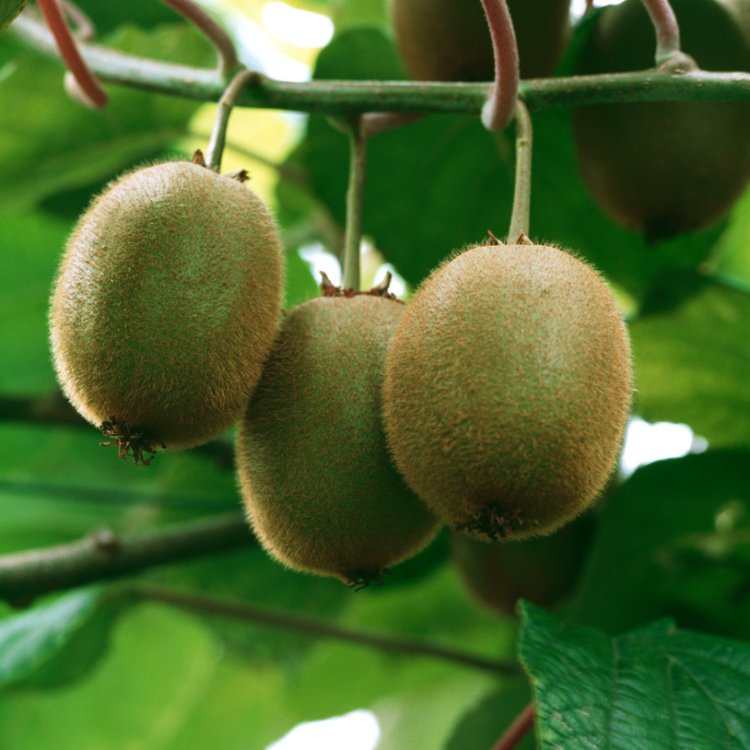
Discover Actinidia deliciosa ‘Hayward’, the classic Kiwifruit vine, renowned for its delectable, fuzzy fruits and vigorous garden growth.
The ‘Hayward’ Kiwifruit is a popular female cultivar, widely grown for its large, flavourful fruit. This deciduous climber originates from China, yet it thrives in UK gardens. It needs ample support and sunshine to produce an abundant harvest. Importantly, you need a male Actinidia deliciosa pollinator nearby for this specific plant to bear fruit. This ensures successful pollination and a rewarding yield.
Actinidia deliciosa, known as Kiwifruit or Kiwi Vine, originates from China. Explorers brought this unique plant to New Zealand. There, horticulturalists cultivated it. The fruit’s name changed from ‘Chinese Gooseberry’ to ‘Kiwifruit’, honouring New Zealand’s national bird.
The ‘Hayward’ cultivar specifically comes from work by Hayward Wright in Avondale, New Zealand, around 1924. This selection became the leading commercial variety worldwide because of its excellent fruit quality and storage potential.
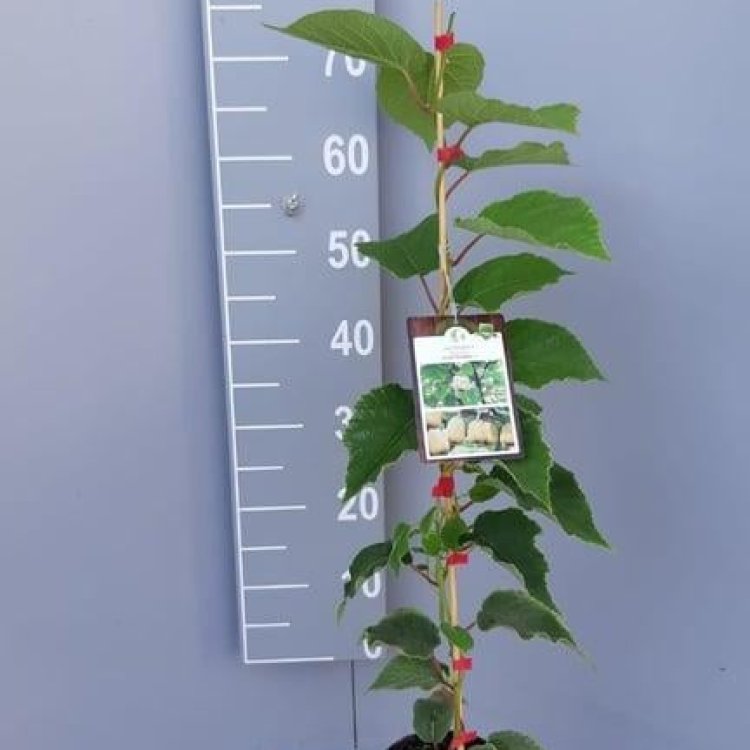
The Actinidia deliciosa ‘Hayward’ vine displays robust growth. It develops large, ovate to heart-shaped leaves. These leaves boast a vibrant green colour throughout spring and summer. They provide a dense, leafy canopy.
In late spring or early summer, around May to June in the UK, the plant produces small, fragrant, creamy-white flowers. These blossoms often appear in clusters. Importantly, ‘Hayward’ is a female plant. It relies on a nearby male Kiwifruit plant for successful pollination and fruit set.
Bees and other beneficial insects visit these flowers, assisting with the pollination process between male and female plants. As autumn arrives, the leaves turn a lovely golden-yellow before falling, signalling its deciduous nature.
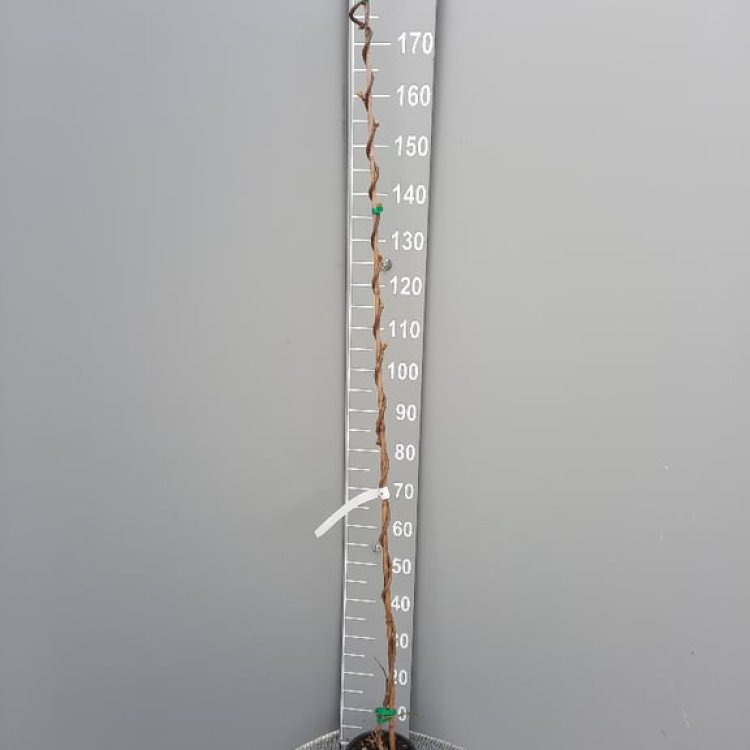
This vigorous climbing plant needs strong support. Train it over pergolas, along sturdy fences, or against a south-facing wall with a trellis. Its dense foliage provides excellent screening, offering privacy and shade in your garden. Bees and other pollinators are drawn to its flowers, making it wildlife friendly and ensuring successful fruit development.
Regular pruning maintains the plant’s vigour and shape. It also encourages better fruit production. Winter pruning establishes the main framework. Summer pruning manages growth and exposes developing fruits to sunlight. This careful management ensures a healthy, productive Kiwifruit vine.
Hardy across most of the UK except particularly exposed or cold regions.
Provide robust, sturdy support for this vigorous climbing vine, such as a strong pergola, trellis, or wires against a wall. Water regularly, especially during dry periods and throughout the growing and fruiting season, keeping the soil consistently moist but not waterlogged. Apply a balanced fertiliser in early spring once the plant shows new growth; a potassium-rich feed can encourage better fruit development. Prune in winter (December to February) when dormant to establish and maintain a strong framework. In summer (after flowering), prune side shoots to 3-4 leaves beyond the last fruit, and remove weak or overcrowded growth to improve air circulation and sunlight exposure for the fruit. As 'Hayward' is a female cultivar, plant a male Actinidia deliciosa variety (e.g., 'Tomuri' or 'Atlas') nearby to ensure successful pollination and fruit production; one male can pollinate several female plants. Apply a thick layer of organic mulch around the base of the plant in spring to retain soil moisture, suppress weeds, and enrich the soil. Young plants may benefit from some winter protection in colder regions, especially from severe frosts; established plants are generally hardy to RHS H4.
This plant is deciduous so it will lose all of its leaves in the autumn and get fresh new foliage each spring.