£9.09 – £11.45Price range: £9.09 through £11.45
Rubus phoenicolasius, known as Wineberry, offers unique bristly canes, attractive foliage, and sweet-tart red berries. Enjoy charming summer flowers, followed by a delicious late-summer harvest. This hardy, wildlife-friendly shrub thrives in UK gardens.
162 in stock
Discover Rubus phoenicolasius, the distinctive Wineberry, cherished for its unique bristly canes, attractive foliage, and an abundance of sweet, tart red fruits.
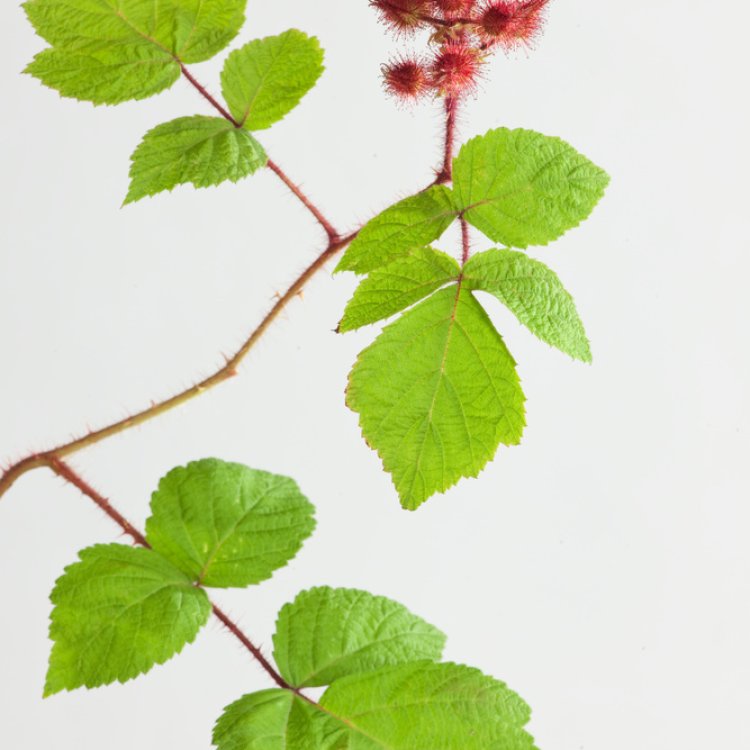
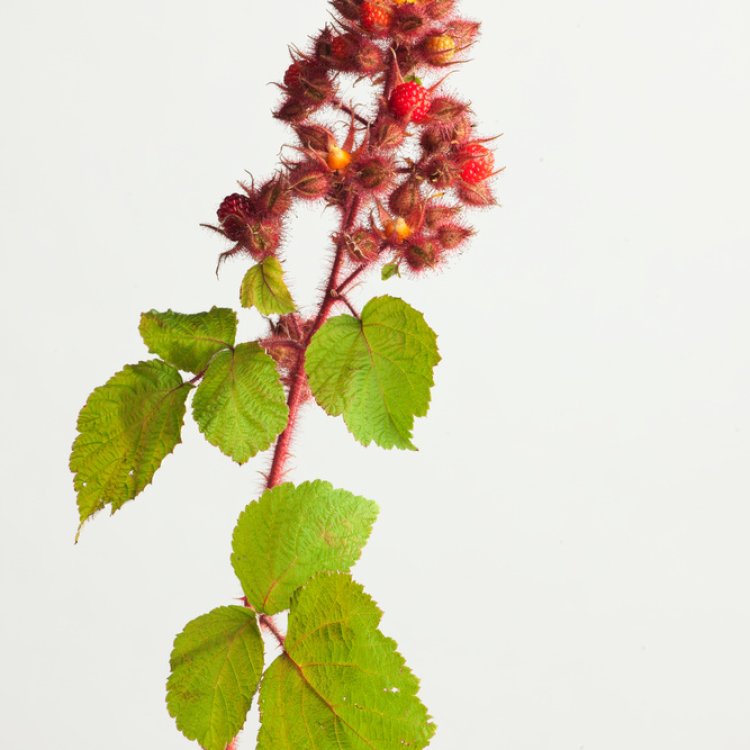
Often known as Japanese Wineberry, Rubus phoenicolasius introduces an intriguing presence to any garden. This vigorous, deciduous shrub originates from East Asia, thriving across various climates. It captivates with arching, red-bristled stems and delicate, deeply veined leaves. Beyond its ornamental appeal, the plant yields delightful fruits. These bright red berries ripen in late summer, offering a pleasant sweet-tart flavour. Gardeners appreciate its robust nature and the seasonal interest it provides. The Wineberry brings both beauty and a delicious harvest.
The botanical name Rubus phoenicolasius comes from Latin. ‘Rubus’ means bramble. ‘Phoenicolasius’ refers to its distinctive purple-red bristly canes. This aptly describes its most striking feature. As its common name, Japanese Wineberry, suggests, this plant originates from East Asia. Its native regions include Japan, Korea, and China. It has been cultivated in the UK for its ornamental qualities and edible fruits.
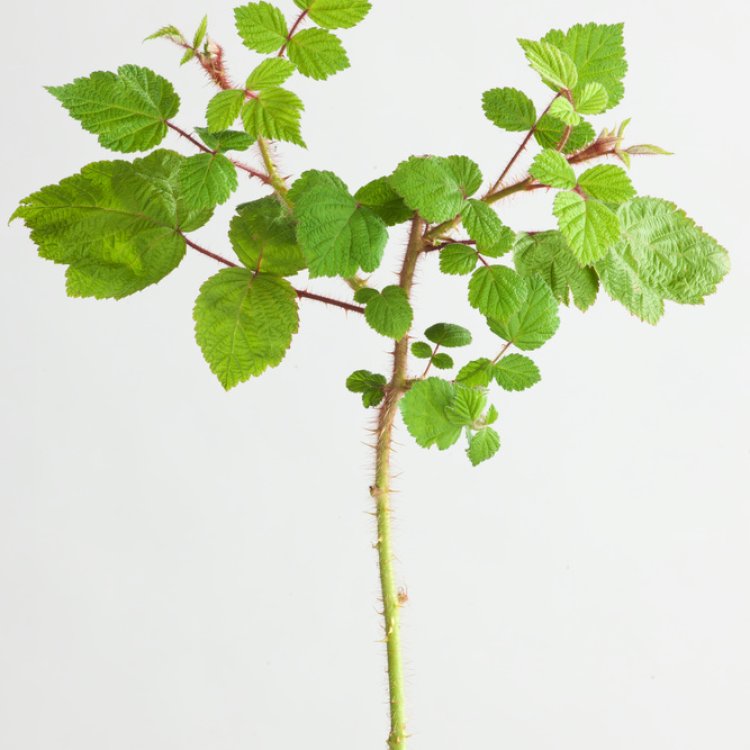
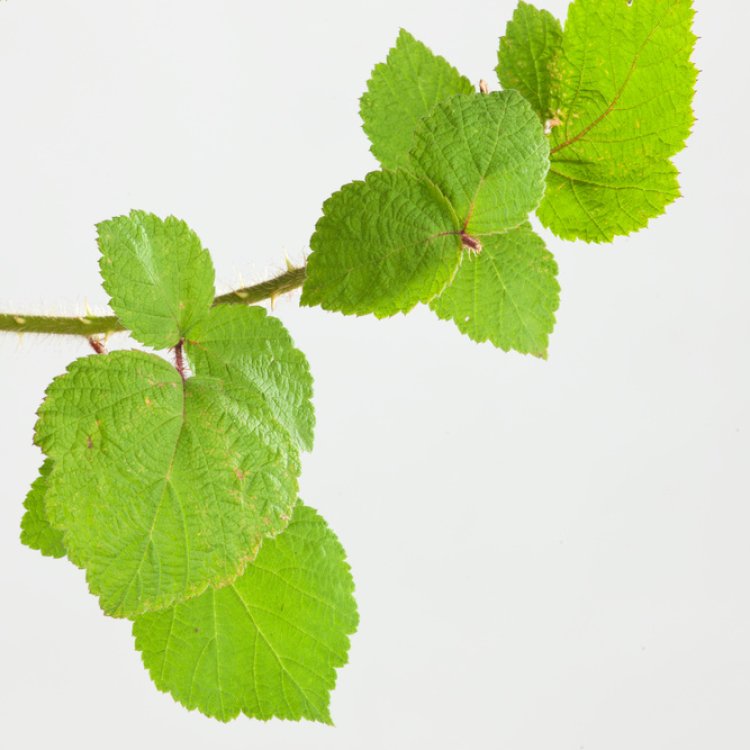
Rubus phoenicolasius grows as a robust, deciduous shrub. It typically reaches heights of 2-3 metres with a similar spread. Its arching canes display a unique covering of reddish, glandular hairs. These give them a velvety, almost bristly appearance. These bristles help protect the new shoots. The foliage presents as attractive trifoliate leaves. They are dark green on top with a distinct white, felt-like underside. In autumn, the leaves often develop warm yellow tones before falling.
Small, bell-shaped flowers emerge in clusters during June and July. These delicate blooms showcase soft pinkish-purple petals, subtly contrasting with the reddish stems. Bees and other pollinators readily visit these flowers, assisting in their development. Following the blossoms, the plant forms numerous bright red fruits. These berries, known as Wineberries, ripen from late July through August. They possess a distinctive sweet-tart flavour, ideal for fresh eating, jams, or desserts.
Gardeners often employ Rubus phoenicolasius in various settings. Its vigorous growth makes it suitable for informal hedges or wildlife gardens. You can also plant it at the back of mixed borders. Due to its arching habit, it can be trained along wires or up a trellis. This plant is a fantastic choice for supporting local wildlife. The flowers attract essential pollinators like bees and butterflies. Later, birds eagerly consume the ripening fruits. Furthermore, its dense, thorny canes provide excellent cover and nesting sites for small birds.
While Rubus phoenicolasius demands minimal care, annual pruning helps maintain its vigour and fruiting capacity. Typically, you should prune in late winter or after the fruiting season. Simply remove any old, unproductive canes at ground level. This practice encourages fresh growth and ensures a bountiful harvest in subsequent years.
Very hardy. Tolerates temperatures typical of a continental winter.
Rubus phoenicolasius thrives with minimal intervention. Plant in well-drained soil, ideally in full to partial sun. Water regularly during dry spells, especially when establishing and during fruit development. Provide support for its arching canes if growing in a more formal setting. Prune annually in late winter or after fruiting. Remove all old, unproductive canes at ground level to encourage vigorous new growth and a better harvest next season. Mulch around the base in spring to retain moisture and suppress weeds.
This plant is deciduous so it will lose all of its leaves in the autumn and get fresh new foliage each spring.