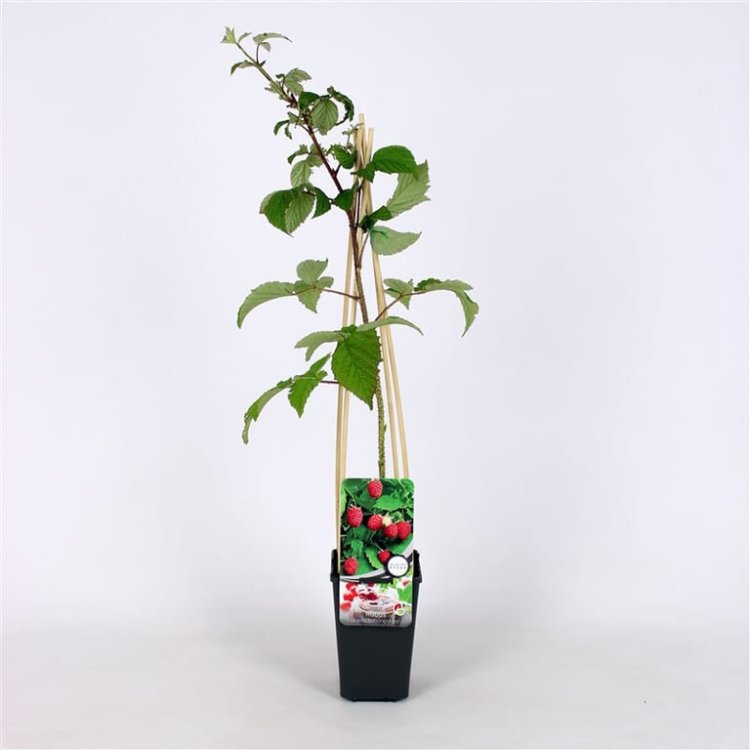
£9.09 – £11.45Price range: £9.09 through £11.45
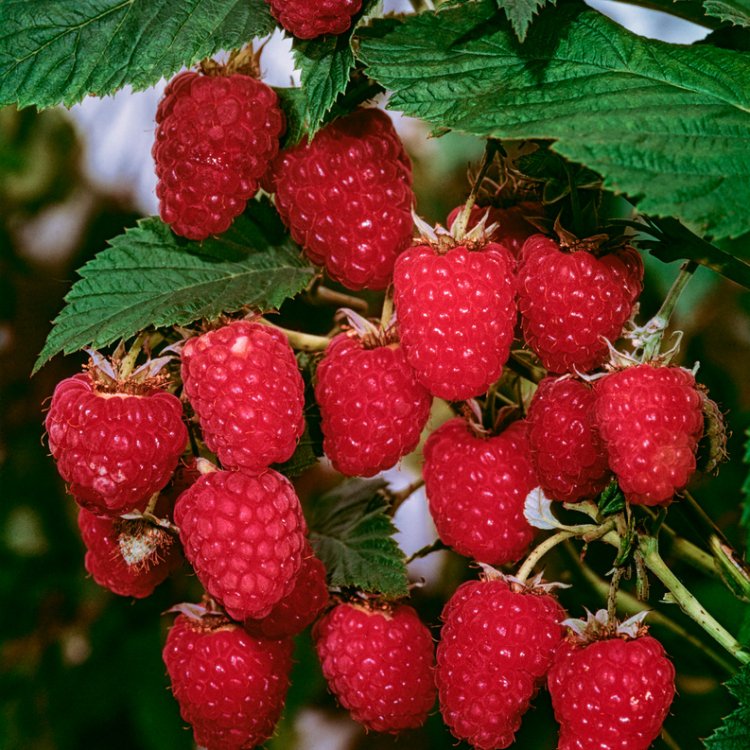
Rubus idaeus ‘Schönemann’ is a vigorous summer-fruiting raspberry, yielding abundant crops of large, sweet, dark red berries from July. This robust plant enhances any UK garden, attracting pollinators and providing delicious, home-grown fruit.
167 in stock
Discover Rubus idaeus ‘Schönemann’, a robust summer-fruiting raspberry cultivar offering an abundance of sweet, flavourful berries perfect for enjoying fresh from the garden.
Rubus idaeus ‘Schönemann’ stands as a superb choice for any British garden, celebrated for its reliable and prolific summer harvest. This vigorous raspberry cultivar produces excellent yields of delicious fruit, making it a garden essential for those who appreciate home-grown produce. It is a classic European variety, prized by gardeners for its consistent performance and superior taste. Cultivating this plant brings the joy of fresh raspberries right to your fingertips throughout the summer months.
Rubus idaeus ‘Schönemann’ is a popular summer-fruiting raspberry, belonging to the diverse Rosaceae family. The name ‘Schönemann’ originates from German, translating roughly to ‘beautiful man’ or ‘pretty fellow’. This reflects the high esteem this specific cultivar holds among growers. This raspberry variety is known for its strong, upright canes and generous production. Gardeners consistently choose Rubus idaeus ‘Schönemann’ for its robust health and abundant harvests, ensuring a rewarding experience. It is a reliable plant, furthermore, it is an excellent addition to any productive garden space.
In late spring, usually from May to June, Rubus idaeus ‘Schönemann’ produces small, inconspicuous white flowers. These delicate blooms appear modest in appearance, yet they perform a crucial role. Importantly, they provide a vital source of nectar and pollen for beneficial insects. Bees and butterflies are regularly drawn to these flowers, aiding in pollination and supporting local ecosystems. Following successful pollination, the berries begin to form, developing through early summer. The foliage consists of classic green, serrated leaves, creating a lush backdrop. As a deciduous plant, its leaves will yellow and fall in autumn, marking the end of the growing season.
Rubus idaeus ‘Schönemann’ integrates wonderfully into various garden designs. Its vigorous growth means gardeners often plant it against walls or trellises, providing a vertical element. Additionally, it can form productive rows in a dedicated fruit cage or kitchen garden, ensuring easy access to ripening fruit. This raspberry cultivar proves highly attractive to wildlife; its flowers are a magnet for bees and other important pollinators, significantly boosting biodiversity in your garden. Later, birds may also enjoy any overlooked berries. Consequently, planting Rubus idaeus ‘Schönemann’ directly benefits local fauna.
Pruning is an essential task for maintaining the health and productivity of this raspberry. As a summer-fruiting variety, Rubus idaeus ‘Schönemann’ produces fruit on canes grown in the previous year. Therefore, after the harvest concludes in late summer or early autumn, gardeners must cut down the fruited canes to ground level. This action encourages new, strong canes to develop for the following season’s crop. Tie new shoots into their supports as they grow, ensuring good air circulation and sunlight exposure. Regular pruning keeps the plant tidy and productive.
Very hardy. Tolerates temperatures typical of a continental winter.
Rubus idaeus 'Schönemann' thrives with adequate support, so ensure canes are tied to wires or a trellis as they grow. Water regularly, especially during dry periods and when fruits are developing, to ensure a good harvest. Apply a balanced fertiliser in spring and mulch around the base of the plant to suppress weeds and retain moisture. After summer fruiting, cut down all canes that have produced fruit to ground level. New canes will emerge for the following year's crop.
This plant is deciduous so it will lose all of its leaves in the autumn and get fresh new foliage each spring.