£9.09 – £11.45Price range: £9.09 through £11.45
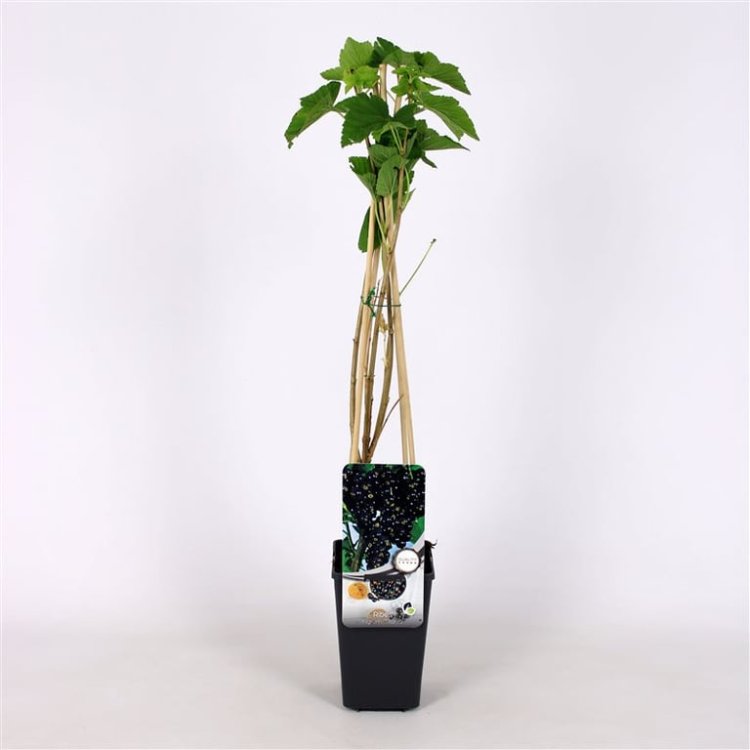
Ribes nigrum ‘Titania’ is a vigorous blackcurrant known for heavy crops of delicious, large berries. This disease-resistant cultivar flowers late, avoiding frost, and attracts bees. Enjoy abundant fruit from July to August in your UK garden.
229 in stock
Discover Ribes nigrum ‘Titania’, a superb blackcurrant cultivar renowned for its vigorous growth and abundant, flavourful fruit in UK gardens.
Ribes nigrum ‘Titania’ offers an excellent choice for any gardener seeking reliable fruit production. This robust blackcurrant thrives across the British Isles, consistently delivering high yields of delicious, juicy berries. Gardeners appreciate its disease resistance and easy-care nature, making it a popular addition to fruit cages and kitchen gardens alike. Enjoy freshly picked blackcurrants throughout the summer.
Ribes nigrum ‘Titania’, commonly known as Blackcurrant ‘Titania’, is a particularly favoured variety originating from Sweden. Its development focused on creating a resilient and productive bush. Indeed, ‘Titania’ is recognised for its late-flowering characteristic, which often helps it avoid damage from late spring frosts. Therefore, it proves especially suitable for cultivation in northern regions of the UK. This cultivar grows into an upright shrub, providing an efficient use of garden space.
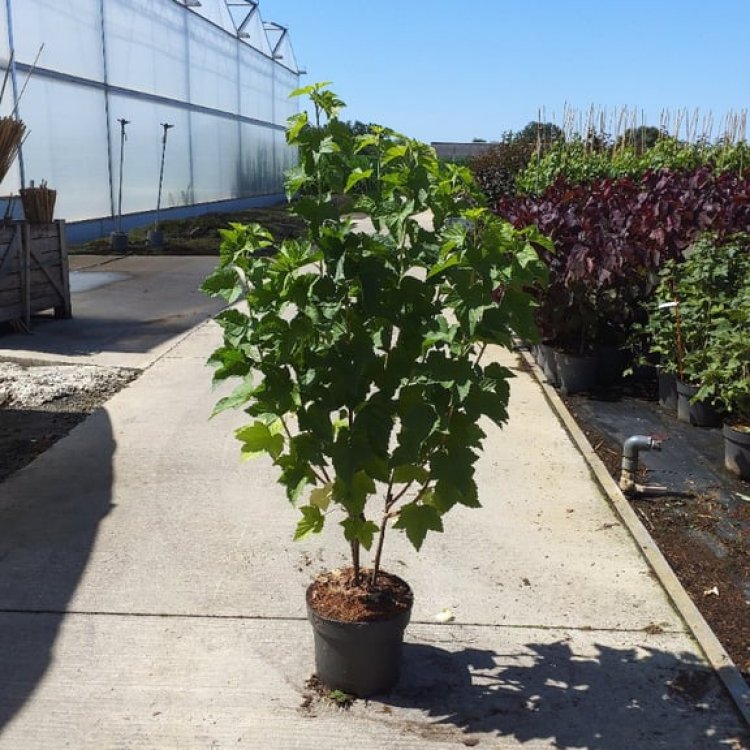
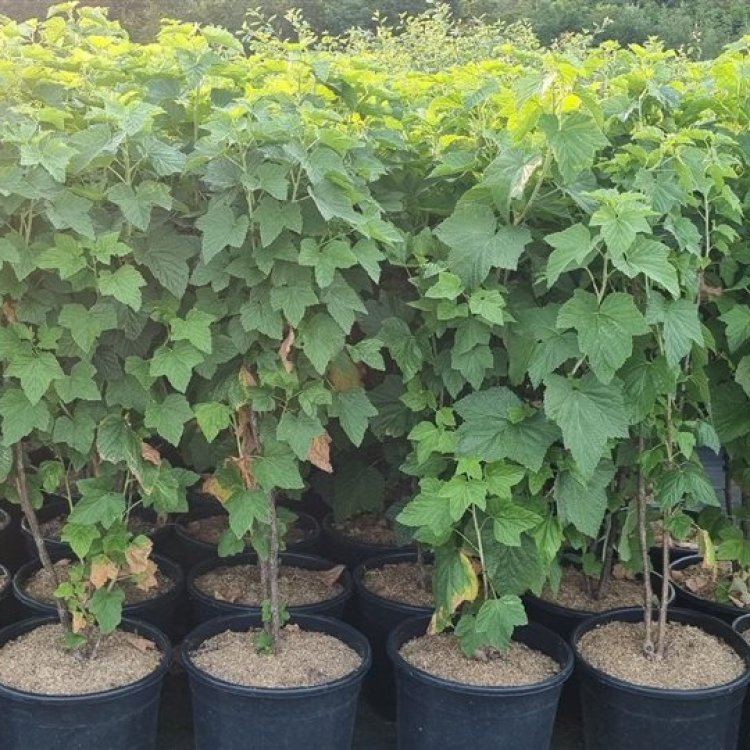
The plant forms a dense bush featuring attractive, deeply lobed green leaves. These leaves emerge in spring, creating a lush display. In spring, small, inconspicuous greenish-yellow flowers appear on the stems. These blooms hold significant appeal for bees and other pollinators, thereby supporting local wildlife populations. Following successful pollination, the flowers develop into developing fruit. The berries mature during July and August, ripening into large, glossy, deep purple-black currants. They possess a rich, tangy flavour, perfect for cooking or eating fresh.
Gardeners often integrate Blackcurrant ‘Titania’ into various garden designs. It makes an excellent specimen for fruit gardens, allotments, or even as part of a mixed border. Its upright form also allows for planting in slightly smaller spaces. Furthermore, Ribes nigrum ‘Titania’ contributes significantly to garden biodiversity. Its nectar-rich flowers provide an essential food source for bees and other insects early in the season. Later, the ripe berries offer sustenance for local bird populations. You can protect your harvest from birds using netting if desired.
Regular pruning maintains the health and productivity of Ribes nigrum ‘Titania’. Gardeners typically prune these bushes in late winter, removing older, less productive wood. This practice encourages the growth of new, vigorous shoots, which will bear fruit in subsequent seasons. Proper pruning ensures a continuous supply of delicious blackcurrants year after year. It also helps maintain the plant’s desirable upright habit.
Very hardy. Tolerates temperatures typical of a continental winter.
Ribes nigrum 'Titania' thrives with consistent care. Water regularly, especially during dry spells and fruit development. In late winter, prune annually to remove old, unproductive wood and encourage new growth for optimal fruiting. Apply a general-purpose fertiliser or well-rotted manure around the base each spring. Mulch to retain soil moisture and suppress weeds. Monitor for common pests like blackcurrant sawfly and diseases such as gooseberry mildew, taking appropriate action if detected.
This plant is deciduous so it will lose all of its leaves in the autumn and get fresh new foliage each spring.