£13.52 – £14.22Price range: £13.52 through £14.22
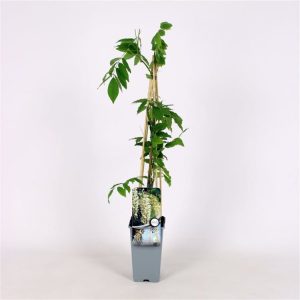
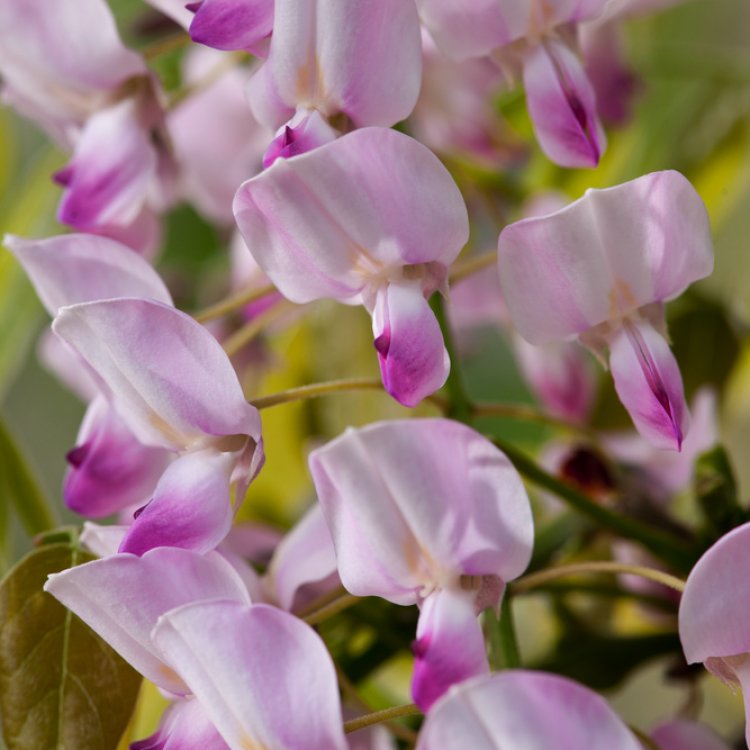
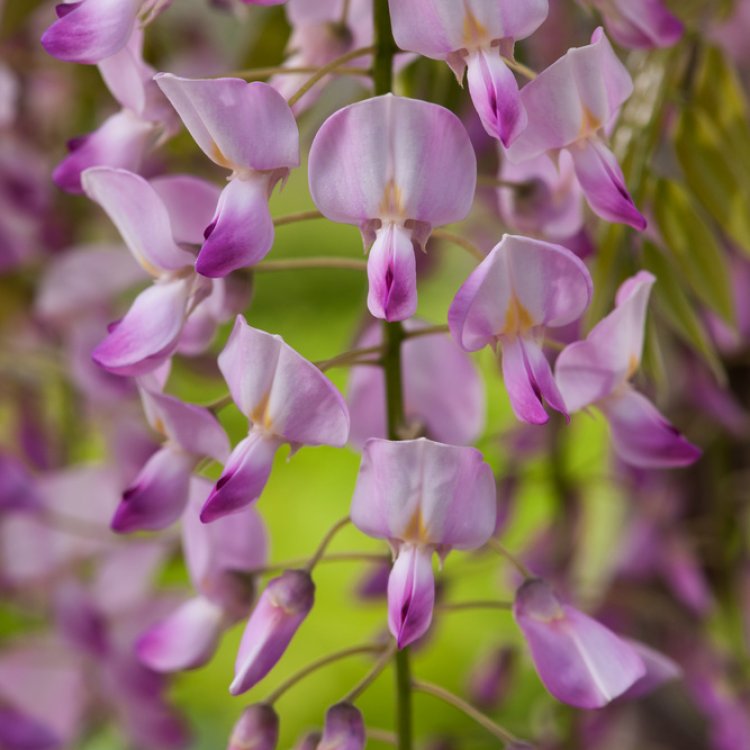
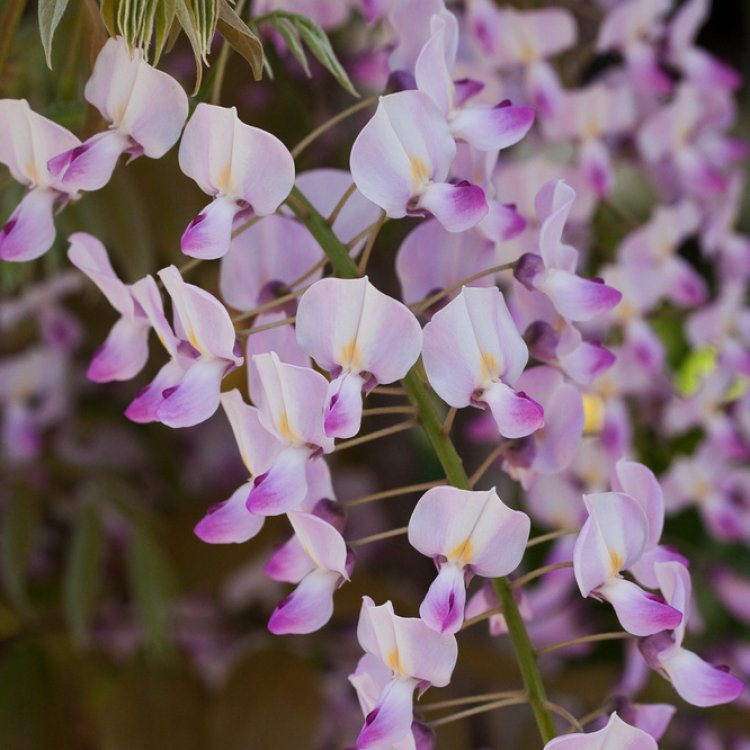
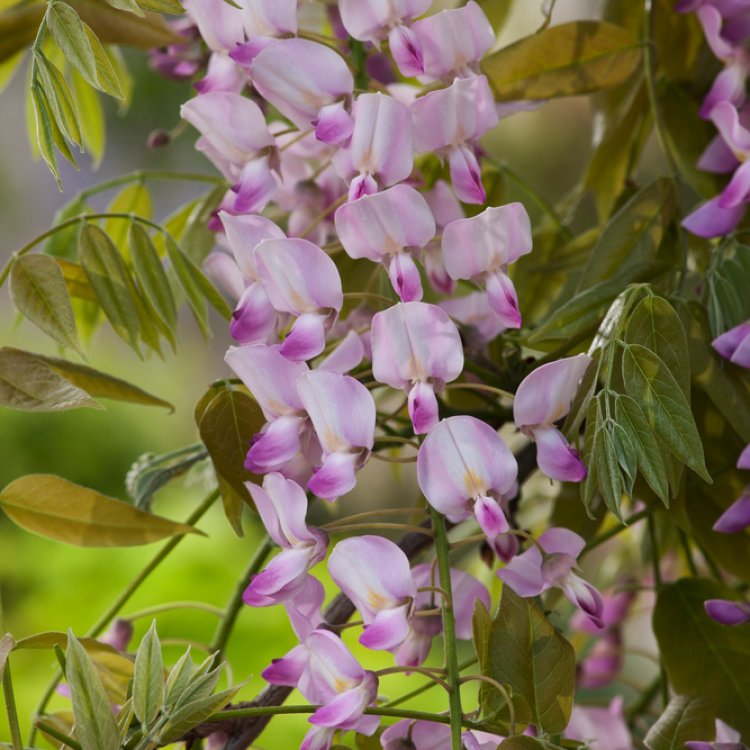
Wisteria floribunda ‘Honbeni’ is a captivating Japanese Wisteria, celebrated for its dramatic cascades of fragrant, salmon-pink blossoms. This vigorous climber brings elegance and a touch of romance to UK gardens, providing a stunning display in late spring.
411 in stock
Discover Wisteria floribunda ‘Honbeni’, a captivating climber celebrated for its dramatic cascades of fragrant, salmon-pink blossoms, bringing elegance to any UK garden.
Grace your garden with the exquisite charm of Wisteria floribunda ‘Honbeni’, a distinguished Japanese Wisteria cultivar. This deciduous climber creates a breathtaking display, especially in late spring. Its unique, rosy-pink flowers hang in magnificent clusters, often reaching significant lengths. Furthermore, the delicate perfume enchants the senses, truly transforming outdoor spaces. This robust plant thrives across many UK regions, promising an unforgettable floral spectacle each year. It is a firm favourite for adding vertical interest and a touch of classic romance.
The Wisteria floribunda ‘Honbeni’ is often known simply as Wisteria or Japanese Wisteria. It originates from Japan, a land renowned for its stunning ornamental plants. The name ‘floribunda’ means ‘free-flowering’, accurately describing its generous bloom. Moreover, ‘Honbeni’ translates from Japanese as ‘true pink’ or ‘deep pink’. This beautifully reflects the striking colour of its flowers. This particular cultivar offers a truly distinct salmon-pink to rose-pink shade. These elegant blooms appear in glorious, long racemes, gently trailing downwards. Consequently, they create a waterfall effect that is truly mesmerising.
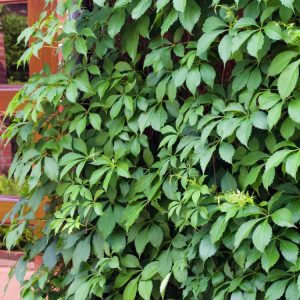
Wisteria floribunda ‘Honbeni’ typically bursts into flower during late spring and early summer in the UK. This display usually occurs in May and June. The pea-like flowers release a sweet, inviting fragrance, attracting various pollinators. The plant’s leaves are equally charming. They emerge as fresh green, pinnate leaves, which provide a verdant backdrop throughout the growing season. As autumn arrives, this deciduous climber sheds its foliage. Thus, it prepares for another spectacular show the following spring.
Many gardeners choose Wisteria floribunda ‘Honbeni’ for its exceptional versatility. It excels when trained over sturdy garden structures. For instance, you can guide it across pergolas, arches, and gazebos. It also looks stunning when adorning walls or fences, adding vertical drama. Given its robust nature, regular pruning helps to manage its size and encourages abundant flowering. This Wisteria is not only a visual delight. It also acts as a magnet for local wildlife. Bees and butterflies are particularly drawn to its fragrant blossoms. Therefore, it actively supports biodiversity within your garden. This plant provides both beauty and ecological benefits, making it an excellent choice for a vibrant UK garden.
Very hardy. Tolerates temperatures typical of a continental winter.
For optimal health and abundant flowering, train Wisteria floribunda 'Honbeni' against a strong, sturdy support structure such as a pergola, arch, or wall. Pruning is crucial; perform a summer prune (July-August) by cutting long whippy shoots back to 5-6 leaves, and a winter prune (January-February) by shortening those shoots further to 2-3 buds. Water regularly during dry spells, especially in the first few years after planting. Feed with a balanced fertiliser in early spring to encourage vigorous growth and prolific blooms.
This plant is deciduous so it will lose all of its leaves in the autumn and get fresh new foliage each spring.