£7.74 – £8.44Price range: £7.74 through £8.44
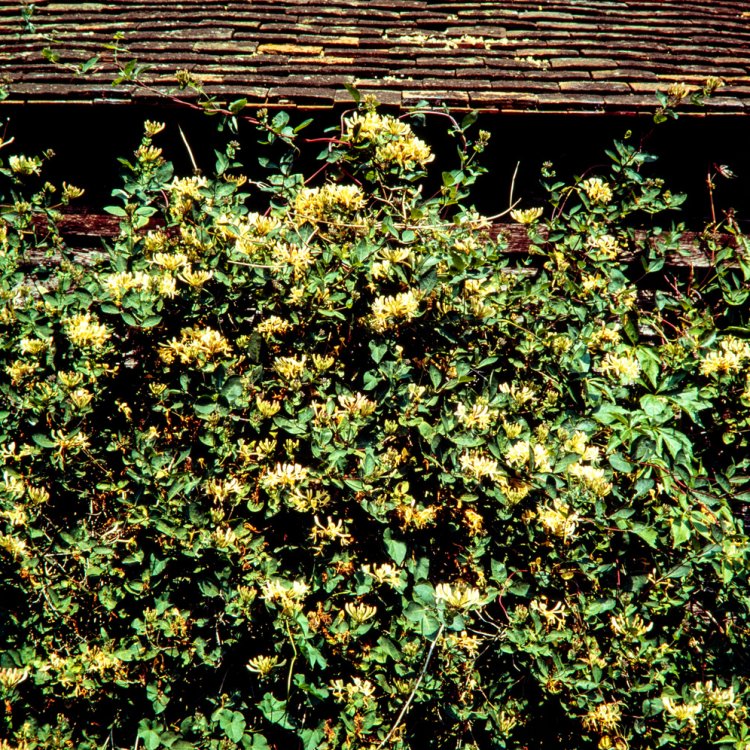
Lonicera periclymenum ‘Graham Thomas’ is a fragrant British honeysuckle. Its creamy yellow flowers scent your garden from summer to autumn, attracting abundant wildlife. This hardy climber provides beautiful, long-lasting appeal.
203 in stock
Lonicera periclymenum ‘Graham Thomas’ is a quintessential British honeysuckle. It is renowned for its highly fragrant, creamy yellow flowers, bringing charm to any UK garden.
Discover the allure of Lonicera periclymenum ‘Graham Thomas’. This beloved native honeysuckle, often called Woodbine, offers a delightful sensory experience. Enjoy its intensely sweet perfume and beautiful blooms. This vigorous climbing plant naturally thrives in UK gardens, making it a perfect choice for adding vertical interest and a touch of wild beauty. Gardeners value its robust nature and long-lasting floral display throughout the summer months.
This particular cultivar takes its name from a respected horticulturist. Graham Stuart Thomas discovered this exceptional form of our native Woodbine. He found it in a garden in Devon. Consequently, it quickly gained recognition for its superior flowering and fragrance. Gardeners admire this honeysuckle; it maintains the wild charm of its species while offering enhanced garden performance. Its widespread popularity proves its enduring appeal.
The foliage of Lonicera periclymenum ‘Graham Thomas’ consists of fresh green leaves. They create a dense, verdant cover. These leaves typically drop in late autumn, though some may persist in mild UK winters. New growth then appears in spring. The star attraction remains its exquisite flowers. These tubular blooms emerge as a creamy white, maturing into a rich yellow. Many blossoms appear in clusters, opening over several weeks. Moreover, their powerful, sweet perfume fills the air, especially in the evenings. This scent captivates all who pass by, making it perfect for seating areas.
Lonicera periclymenum ‘Graham Thomas’ excels as a climbing plant. It reaches impressive heights once established. Its strong stems readily twine around supports. Therefore, provide a sturdy trellis, pergola, or arbour for it to ascend. Consider training it over an archway to create a fragrant entrance. Alternatively, allow it to scramble through larger shrubs. Pruning encourages vigorous growth and helps maintain its shape. Perform light pruning after flowering to tidy the plant. For more significant reshaping, prune in late winter or early spring. This practice keeps the plant healthy and promotes abundant blooms.
Beyond its beauty and scent, this specific Lonicera periclymenum ‘Graham Thomas’ offers significant ecological value. Its nectar-rich flowers are a magnet for local wildlife. Bees diligently visit the blooms, collecting nectar and pollen. Furthermore, butterflies, especially moths, are drawn to the evening fragrance, aiding in pollination. Later in the season, small red berries form. While these are mildly toxic to humans, birds readily consume them, providing a vital food source. Thus, planting this honeysuckle greatly enhances biodiversity in your garden.
Very hardy. Tolerates temperatures typical of a continental winter.
Provide a sturdy support structure like a trellis, pergola, or wires for this vigorous climber to twine around. Water regularly during dry periods, especially in its first year, to ensure good establishment. Feed in spring with a general-purpose balanced fertiliser. Prune lightly after flowering to maintain shape and size, removing any weak or dead growth. For renovation, cut back harder in late winter or early spring, though this may reduce flowering in the current year. Ensure the roots are kept cool and shaded; consider planting low-growing perennials at the base.
This plant is deciduous so it will lose all of its leaves in the autumn and get fresh new foliage each spring.