£3.60 – £4.30Price range: £3.60 through £4.30
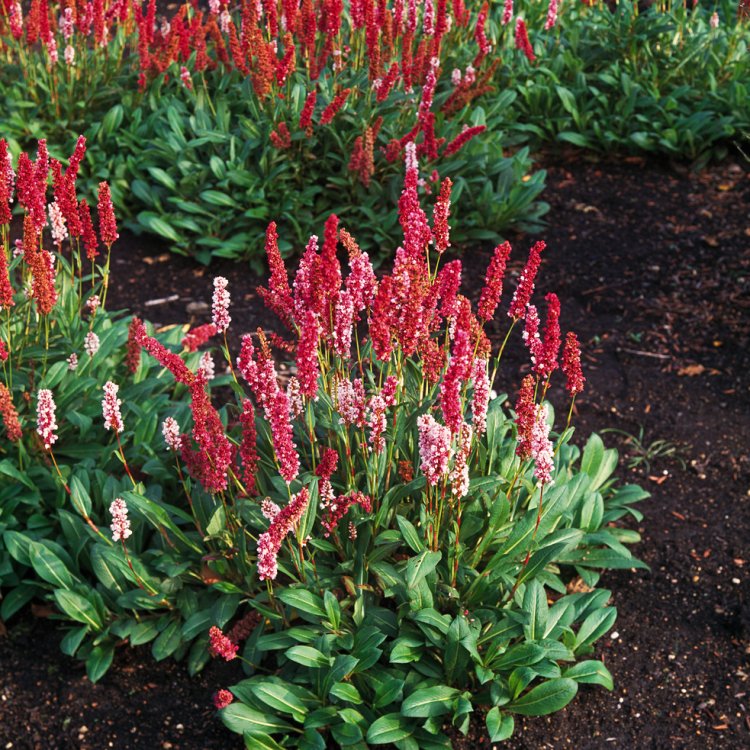
Persicaria affinis ‘Darjeeling Red’ is a superb ground cover perennial, bursting with rose-red flower spikes from late summer to autumn. Its green foliage turns bronze-red, offering stunning seasonal interest. This easy-care plant attracts bees, perfect for vibrant UK gardens.
298 in stock
Persicaria affinis ‘Darjeeling Red’ is a vigorous, low-maintenance perennial, offering vibrant, long-lasting colour and excellent ground cover for UK gardens.
This adaptable Himalayan Fleece Flower provides superb seasonal interest and suppresses weeds. It forms a dense mat of attractive foliage which transforms beautifully in autumn. Furthermore, its cheerful rose-red flower spikes emerge over many months, making it a reliable performer. Gardeners frequently choose this plant for its striking display and ease of care. It quickly establishes, covering ground with delightful texture and colour.
Persicaria affinis ‘Darjeeling Red’, known as Himalayan Fleece Flower, is a delightful herbaceous perennial. Its name ‘Darjeeling Red’ hints at its captivating flower colour, like hues from the Darjeeling region. This particular cultivar offers outstanding garden performance. Gardeners value its robust nature and continuous appeal. It thrives in varied conditions, making it a versatile addition to many UK planting schemes. Ultimately, it brings consistent beauty to your outdoor space.
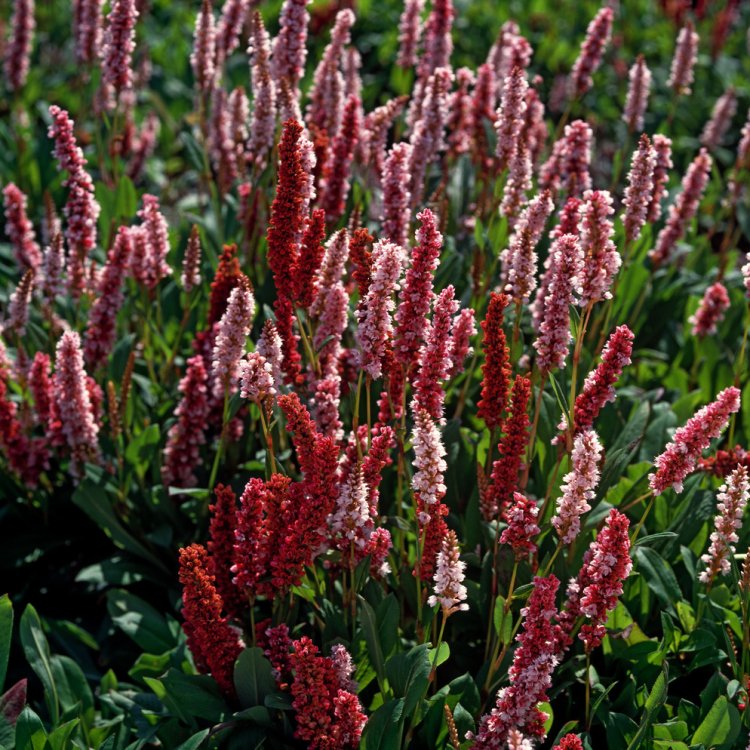
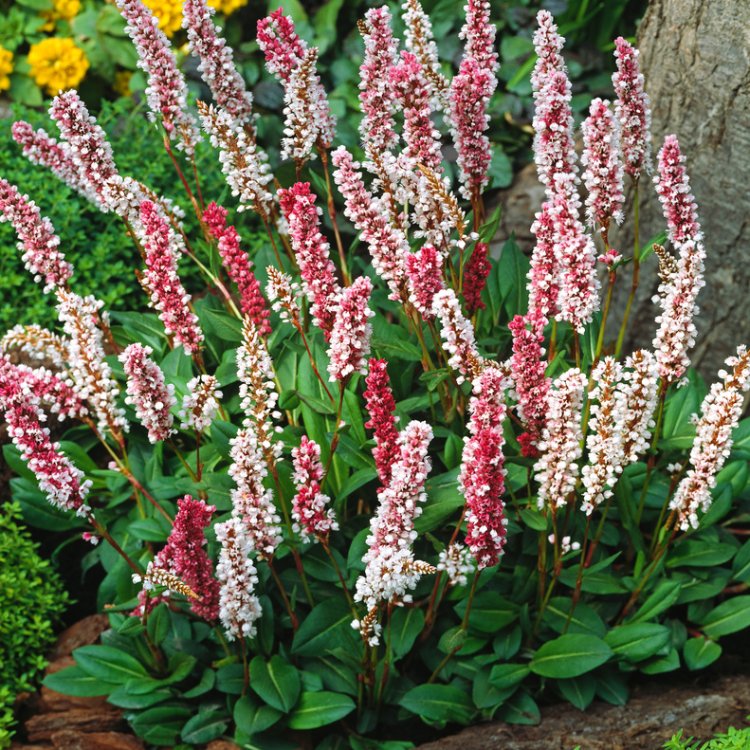
From late summer to late autumn, Persicaria affinis ‘Darjeeling Red’ showcases slender, upright flower spikes. These start as delicate rose-pink, then deepen to rich, dark crimson-red as they mature. This colour transition adds dynamic visual interest. Moreover, these cheerful blooms rise above a dense carpet of attractive green leaves.
The foliage itself offers another season of charm. In autumn, leaves beautifully transform, developing stunning bronze and red tones. This provides a striking contrast and extends the plant’s decorative value well into colder months. It creates a rich tapestry of colour.
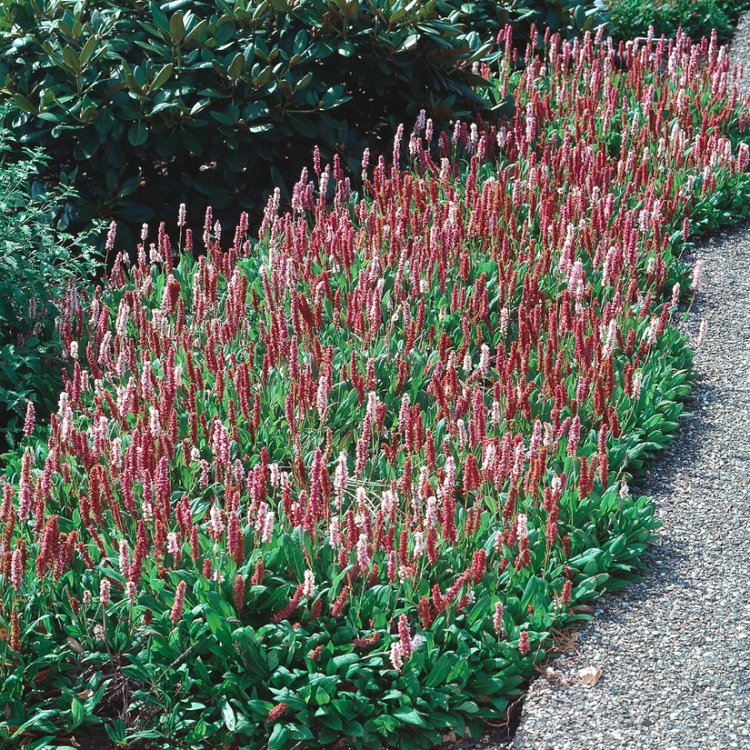
This vigorous plant excels as a ground cover, quickly spreading to form a thick mat. It effectively suppresses weeds, saving gardeners time. You can use it to edge borders, creating a neat and colourful front. It also looks wonderful cascading over walls or softening pathways. Furthermore, Himalayan Fleece Flower is ideal for rock gardens, bringing lasting colour. Its ability to colonise slopes makes it perfect for erosion control. This plant offers many practical and aesthetic benefits.
Happily, the nectar-rich flowers of the Himalayan Fleece Flower attract local wildlife. Bees and butterflies flock to its spikes, gathering pollen and nectar, thus supporting garden biodiversity. While it grows vigorously, Persicaria affinis ‘Darjeeling Red’ needs minimal pruning. A light tidy-up in early spring to remove any old foliage is often sufficient. This simple task encourages fresh, healthy new growth. Ultimately, this plant offers excellent value with little fuss.
Very hardy. Tolerates temperatures typical of a continental winter.
Keep the soil consistently moist, especially during dry spells. Cut back spent flower spikes and old, untidy foliage in early spring to encourage fresh new growth and maintain a neat appearance. Divide overcrowded clumps every few years in spring or autumn to rejuvenate the plant and promote vigour. Apply a balanced general-purpose fertiliser in spring to support healthy growth and abundant flowering.