£3.26 – £3.96Price range: £3.26 through £3.96
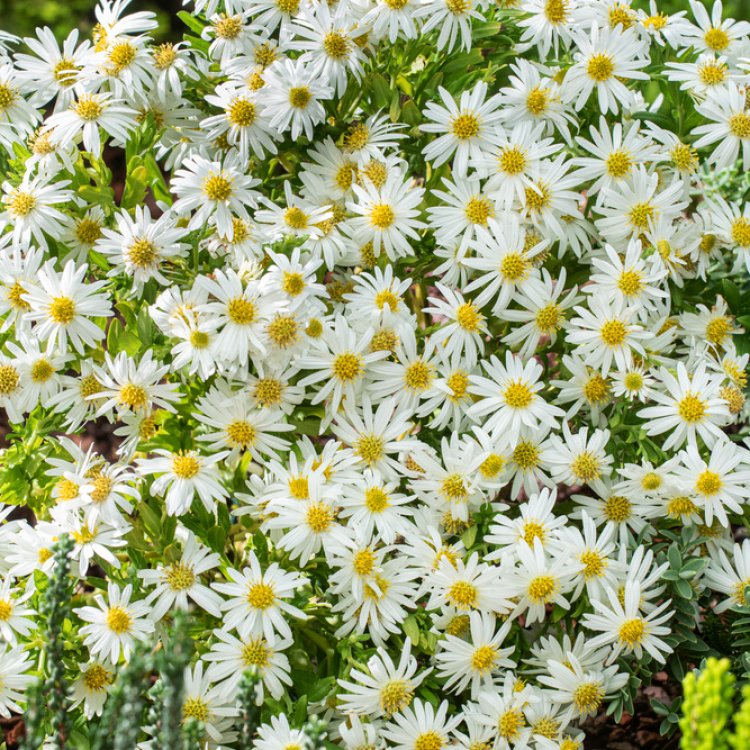
Aster ageratoides ‘Ashvi’ delivers stunning lavender-blue blooms with sunny yellow centres, providing vital late-season colour in UK gardens. This hardy perennial attracts bees and butterflies, ensuring a vibrant and wildlife-friendly autumn display.
1007 in stock
Discover Aster ageratoides ‘Ashvi’, a delightful herbaceous perennial bringing late-season beauty to UK gardens with its charming lavender-blue blooms.
As autumn approaches, many plants begin to fade; however, Aster ageratoides ‘Ashvi’ truly comes alive. This exceptional perennial offers a vibrant display of colour just when your garden needs it most. Its abundance of dainty, daisy-like flowers creates a cheerful spectacle, attracting beneficial pollinators. Gardeners appreciate its robust nature and adaptability, making it superb for UK borders and containers. This hardy plant ensures your outdoor space remains captivating into cooler months.
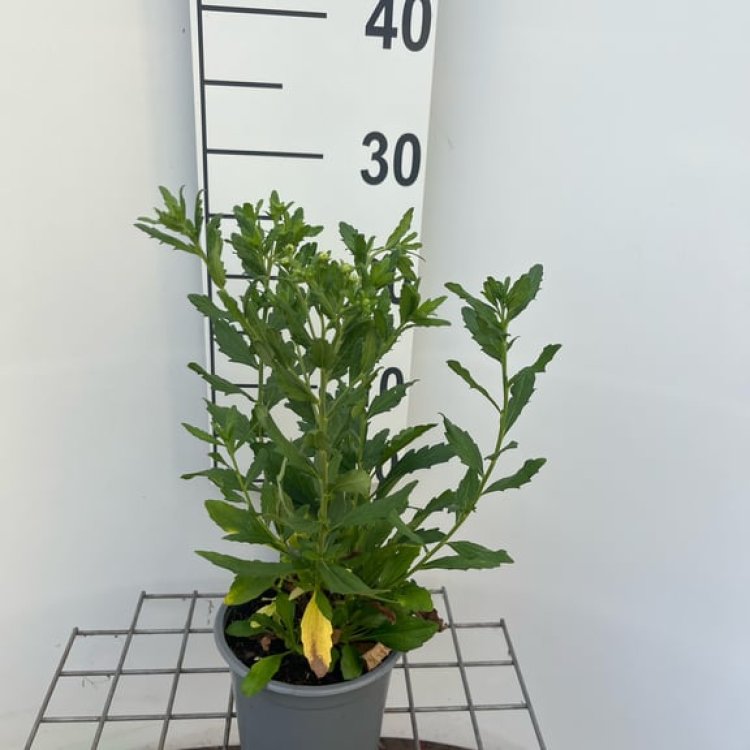
Aster ageratoides ‘Ashvi’ is a captivating plant. It flowers profusely during autumn’s quieter months. Each exquisite bloom features delicate lavender-blue petals around a bright, sunny yellow centre. These numerous flowers emerge gracefully above fresh green foliage, forming a dense, bushy mound. The plant’s overall appearance is vibrant and cheerful, effortlessly brightening any border or container display.
Its elegant form provides structure and visual interest as other summer flowers fade. The name “Aster” stems from Greek for “star,” aptly describing its flower shape. “Ageratoides” means “resembling Ageratum,” referencing similar flower structures. ‘Ashvi’ is the specific cultivar name. This Aster is native to East Asia.
This versatile perennial fits beautifully into many garden schemes. Its compact and bushy habit makes it ideal for the front or middle of a mixed border, creating a soft, colourful edge. Aster ageratoides ‘Ashvi’ also performs exceptionally well in patio pots and containers, allowing its beauty to be appreciated up close.
It offers superb texture and late-season interest when combined with ornamental grasses or other autumn-flowering perennials. More importantly, this delightful Aster serves as a vital food source for local wildlife. Bees and butterflies flock to its nectar-rich flowers, supporting pollinator populations in UK gardens.
Maintaining Aster ageratoides ‘Ashvi’ is simple. After its spectacular flowering display, generally in late autumn or early winter, you can cut back faded stems to ground level. This practice helps to tidy the plant and encourages robust new growth the following spring.
Occasionally, if plants become too large or lose vigour, division in spring will rejuvenate them. This process also provides new plants to share or expand your collection. Overall, it is a low-maintenance plant, making it a popular choice for gardeners seeking effortless autumn colour.
Very hardy. Tolerates temperatures typical of a continental winter.
Watering: Ensure regular watering during dry periods, especially for newly established plants, to promote strong root development.
Feeding: Apply a balanced, general-purpose fertiliser in early spring to support vigorous growth and abundant flowering throughout the season.
Pruning: After flowering, cut back faded stems to ground level in late autumn or early winter for neatness. Alternatively, prune in early spring before new growth emerges.
Division: Divide congested clumps every three to four years in spring to maintain plant vigour and flowering performance. This also helps manage spread.
Pest/Disease: Generally robust, but ensure good air circulation to help prevent powdery mildew, especially during humid or dry periods.