£5.40 – £6.10Price range: £5.40 through £6.10
Cornus alba ‘Sibirica’, or Siberian Dogwood, provides intense winter interest with its fiery red stems. This hardy, deciduous shrub also offers attractive foliage, subtle flowers, and berries for wildlife, bringing vibrant colour to UK gardens.
248 in stock
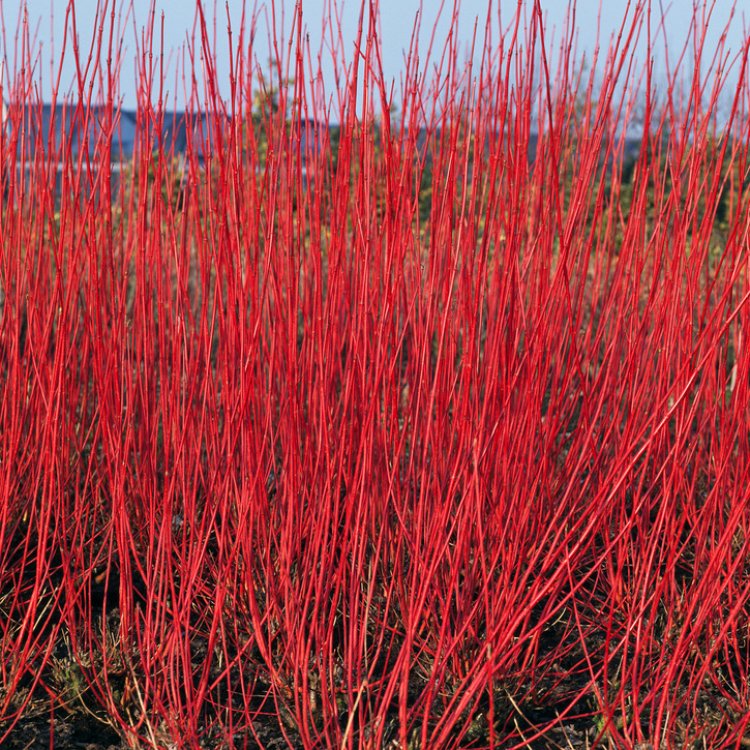
Cornus alba ‘Sibirica’ transforms winter gardens with its striking red stems, offering year-round visual interest and a vibrant display.
Known widely as Siberian Dogwood, Cornus alba ‘Sibirica’ brings spectacular colour to the colder months. This deciduous shrub is a favourite for its brilliant red stems, which stand out wonderfully when its leaves have fallen. Originally from Siberia and northern China, it thrives in UK climates. Gardeners value its robust nature. The intense visual impact it provides truly brightens up grey winter days.
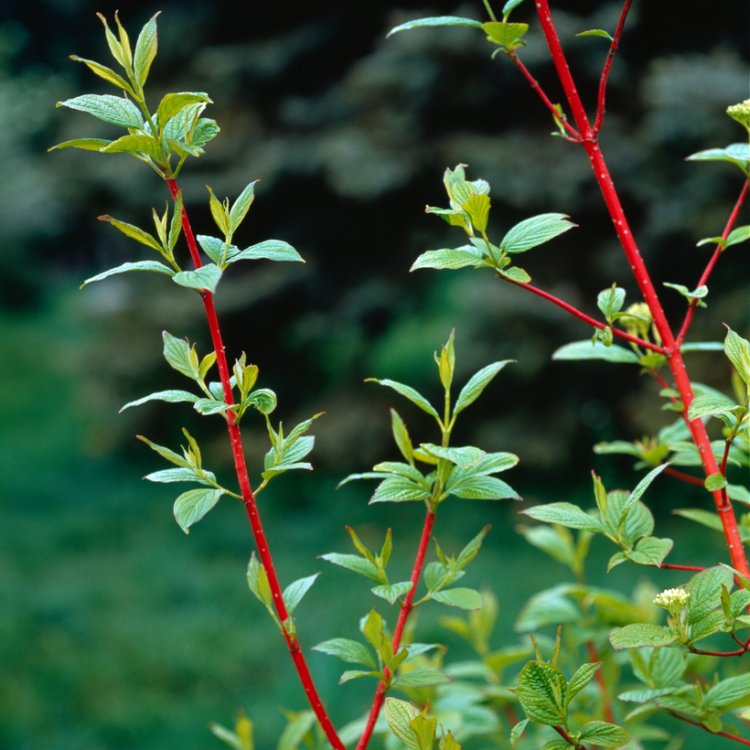
Cornus alba ‘Sibirica’ is a captivating shrub. It takes its name from its native regions. “Cornus” means “horn” in Latin, referring to its tough wood. ‘Sibirica’ simply denotes its Siberian origin. This cultivar gains particular praise for its intense stem colour. While it boasts attractive foliage and subtle flowers, its true glory arrives with winter. The leaves drop, revealing a dense thicket of bright, coral-red branches. This vibrant spectacle makes it an essential plant for adding cheer during the colder months.
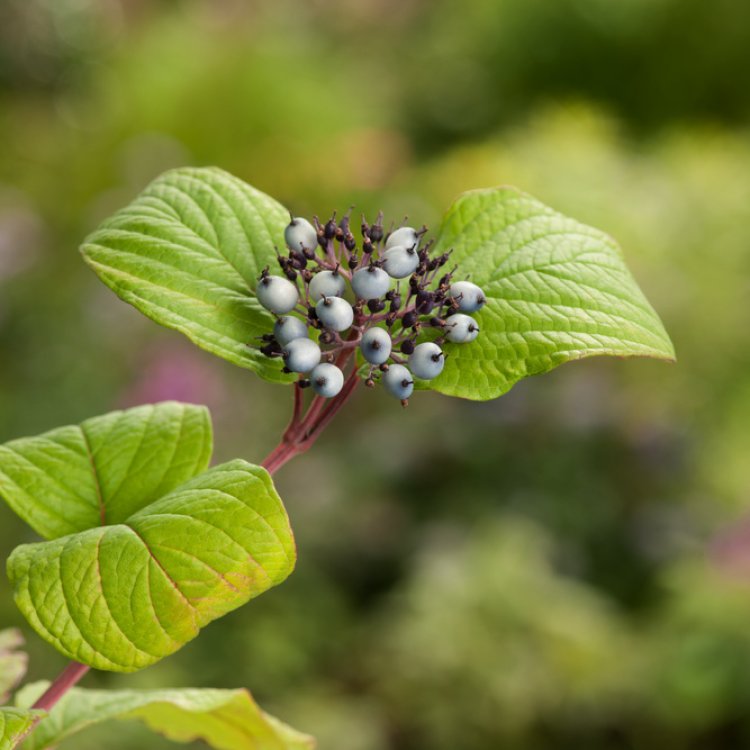
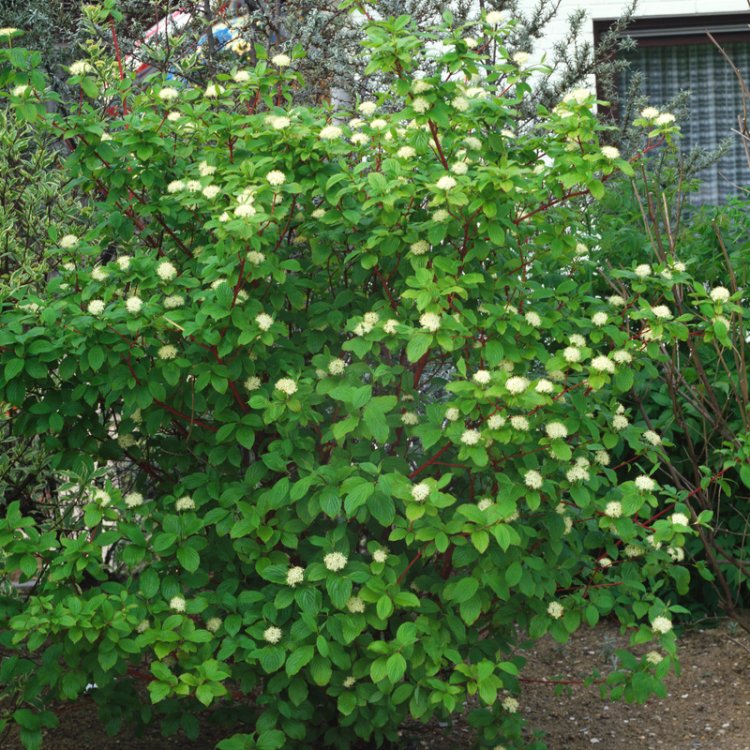
In spring, Cornus alba ‘Sibirica’ develops mid-green, oval-shaped leaves. These provide a fresh, lush backdrop throughout summer. As autumn approaches, the foliage transforms into beautiful shades of purple and red. This adds another layer of seasonal interest before the leaves fall. Small, creamy-white flowers emerge in clusters during late spring and early summer. These subtle blooms attract vital pollinators. After flowering, the plant produces small, white berries with a slight blue tint. These berries offer a food source for birds, further enhancing its wildlife appeal.
Gardeners often plant Siberian Dogwood for its multi-season appeal. It works well in mixed borders, providing structure and colour. You can use it for informal hedging. Alternatively, plant it en masse for a dramatic winter effect. Its bright stems contrast beautifully with evergreen plants. This dogwood tolerates damp conditions, making it suitable for boggy areas or beside ponds.
Bees and other beneficial insects visit its flowers in spring. Later, birds feed on its berries. Therefore, Cornus alba ‘Sibirica’ makes a valuable addition to any wildlife-friendly garden. Regular pruning encourages the production of new, intensely coloured stems. This ensures a brilliant display each winter.
Hardy in the harshest UK conditions and below. Suitable for mountain regions.
For the most vibrant winter stem colour, prune Cornus alba 'Sibirica' hard in early spring, cutting back old stems to about 10-15cm from the ground. This encourages new, brightly coloured growth. Ensure the soil remains consistently moist, especially during dry periods. Water newly planted specimens well. This plant generally requires minimal feeding.
This plant is deciduous so it will lose all of its leaves in the autumn and get fresh new foliage each spring.