£4.30 – £5.00Price range: £4.30 through £5.00
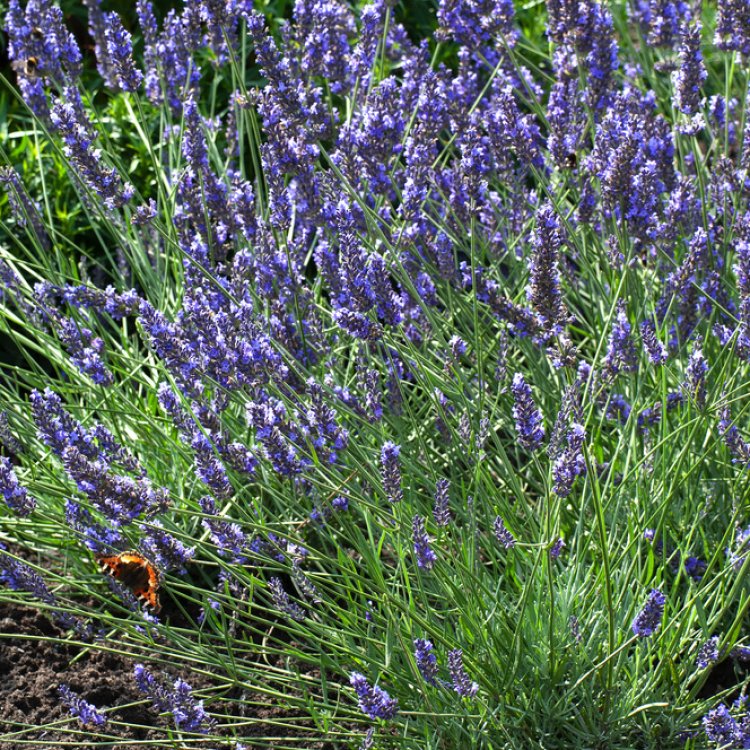
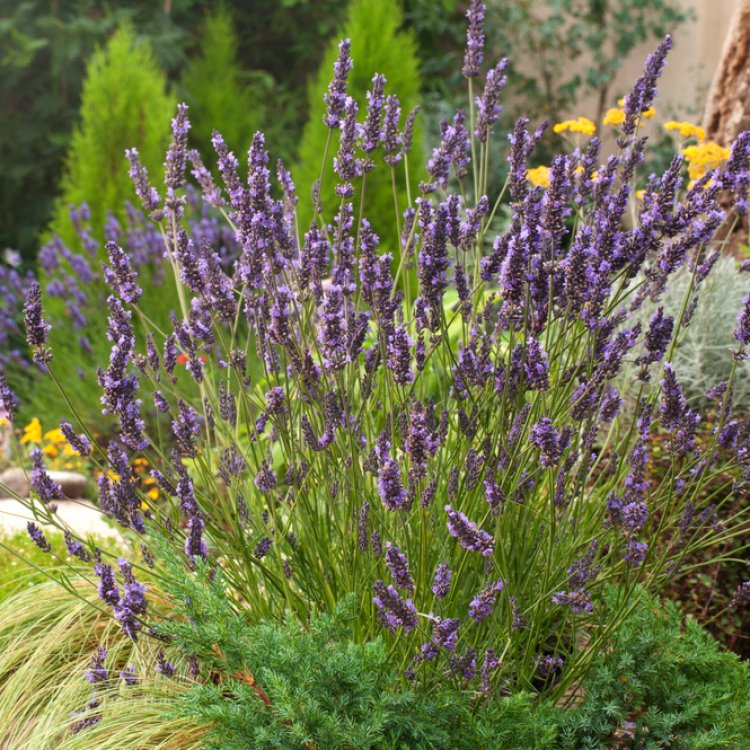
Lavandula intermedia ‘Grosso’ is a robust, highly fragrant lavandin producing abundant deep purple-blue flower spikes from July to September. This drought-tolerant, evergreen plant adds Mediterranean charm, attracts pollinators, and is perfect for UK garden borders or pots.
8500 in stock
Discover Lavandula intermedia ‘Grosso’, a robust lavender cultivar known for its fragrant, vibrant purple-blue flower spikes and exceptional oil yield, bringing Mediterranean charm to any UK garden.
This magnificent hybrid lavender, Lavandula intermedia ‘Grosso’, captivates with its strong, aromatic presence. Originating from France, it earned its name from the grower who popularised it, Jean Gattefossé, who first cultivated it in the 1970s.
Gardeners value this particular lavandin for its long-lasting, profuse blooms and its ability to thrive in various conditions. Furthermore, its hardy nature makes it a favoured choice across the UK. It offers both visual beauty and a delightful scent throughout the summer months.
Lavandula intermedia ‘Grosso’ is a cross between Lavandula angustifolia (English lavender) and Lavandula latifolia (Spike lavender). This hybrid is often called lavandin. Its robust nature makes it a highly regarded cultivar.
The ‘Grosso’ name refers to its significant size and abundant flower production. It truly stands out amongst other lavenders. This particular lavandin offers a classic, calming fragrance.
The plant develops striking, elongated flower spikes. These display a rich purple-blue hue. Flowers emerge in abundance from July, continuing their display right through to September in the UK.
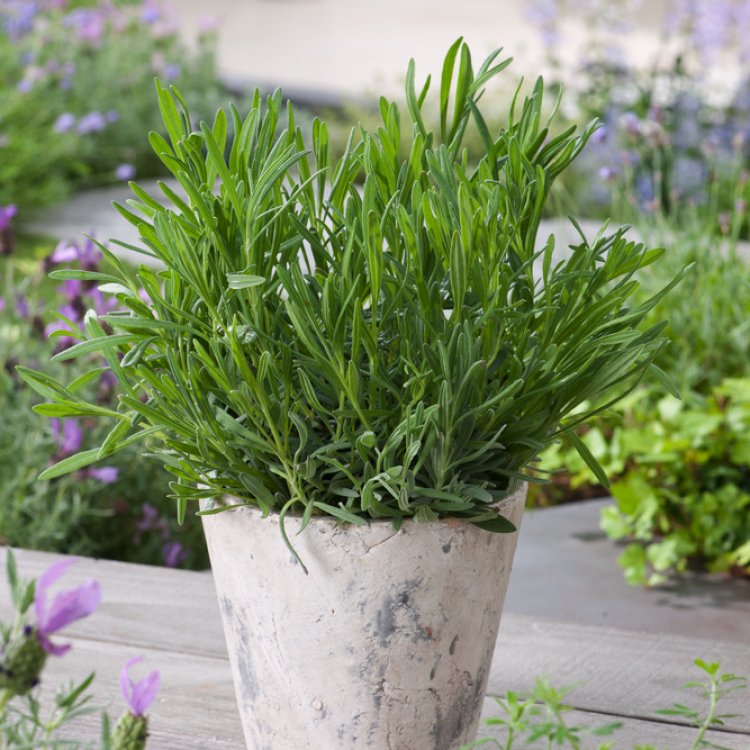
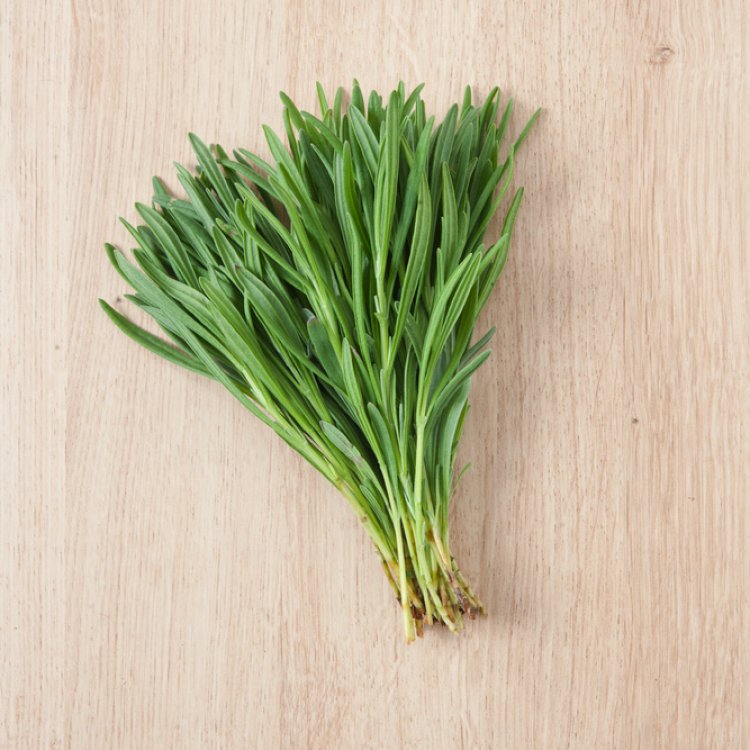
The flowers sit above elegant, narrow, silvery-green leaves. These leaves hold their colour year-round, adding consistent appeal. Even when not in bloom, the foliage releases a pleasant aroma. This makes it a multi-sensory addition.
Gardeners widely appreciate Lavandula intermedia ‘Grosso’ for its versatility. It excels when used to create low, fragrant hedges. You can also plant it in drifts within a gravel garden. Moreover, it works wonderfully in pots and containers, bringing its charm closer to seating areas.
Its strong scent and nectar-rich flowers are a magnet for local wildlife. Bees and butterflies flock to the blooms, supporting essential pollinators in your garden. This significantly enhances biodiversity.
To maintain a neat shape and encourage abundant flowering, prune Lavandula intermedia ‘Grosso’ annually. The best time for this is after the main flush of flowers fades, usually in late summer or early autumn.
Simply cut back about one-third of the current year’s growth. Avoid cutting into old wood, as this can hinder regrowth. Regular trimming ensures a compact, vibrant plant for years.
Hardy across most of the UK except particularly exposed or cold regions.
Prune Lavandula intermedia 'Grosso' annually after the main flowering flush, usually in late summer or early autumn, cutting back about one-third of the current year's growth. Avoid cutting into old wood to ensure vigorous regrowth and maintain a compact shape. Established plants are drought-tolerant and require minimal watering, especially in UK climates. Ensure good air circulation and well-drained soil to prevent fungal issues.