£4.86 – £5.58Price range: £4.86 through £5.58
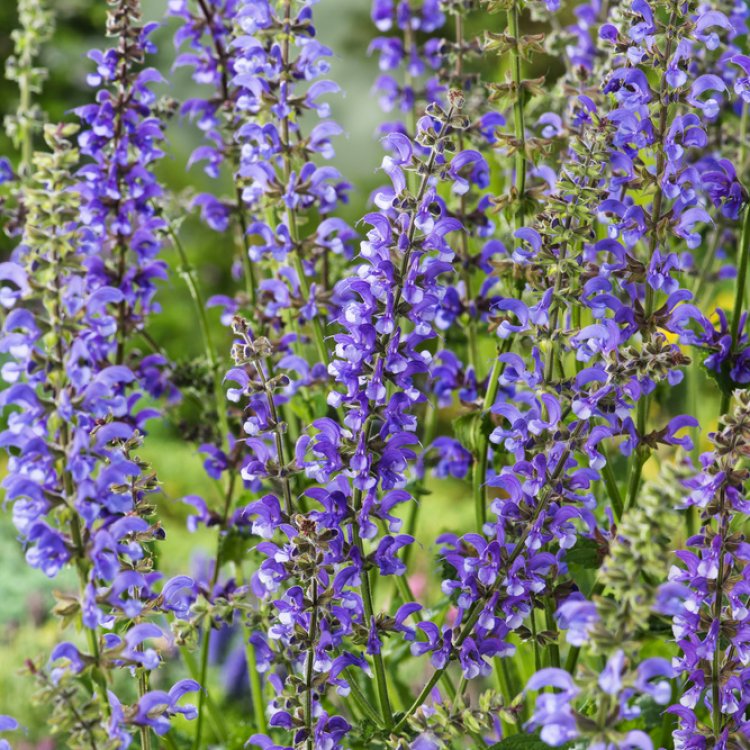
Salvia pratensis, or Meadow Clary, is a vibrant perennial with blue-purple flowers, enhancing UK gardens from late spring to mid-summer. This low-maintenance plant attracts bees and butterflies, thriving in full sun and well-drained soil. A perfect hardy addition.
743 in stock
Salvia pratensis, the delightful Meadow Clary, brings a vibrant splash of blue and purple to British gardens, perfect for attracting pollinators.
Salvia pratensis, commonly known as Meadow Clary or Meadow Sage, is a truly charming perennial herb. This plant is native to meadows across Europe, including parts of the UK. This resilient plant flourishes in open, sunny locations. It will enhance garden borders and naturalised areas alike. Its botanical name, derived from ‘salvere’ (to heal) and ‘pratum’ (meadow), reflects its traditional uses and natural habitat. Gardeners value Meadow Clary for its ease of care and long-lasting floral display. It consistently brightens up the summer landscape.
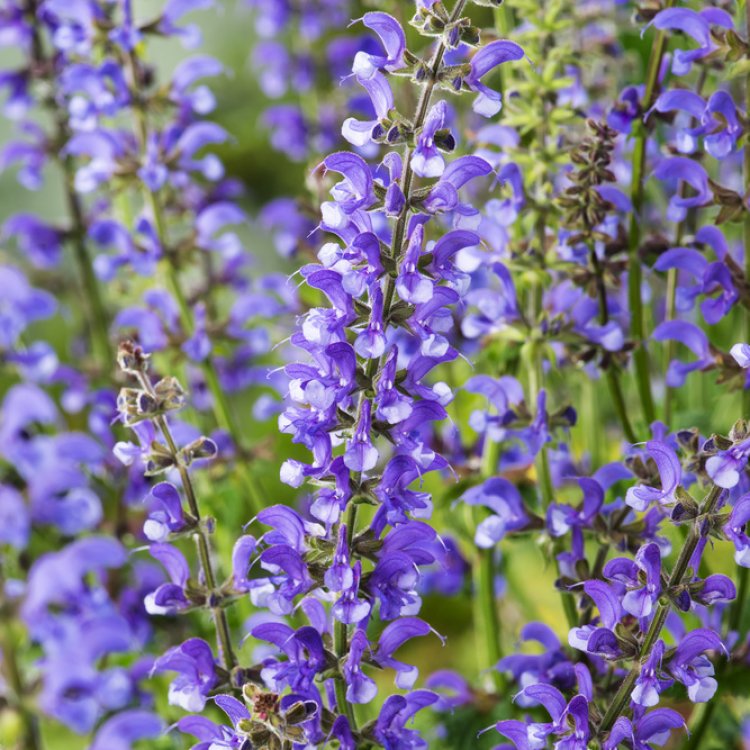
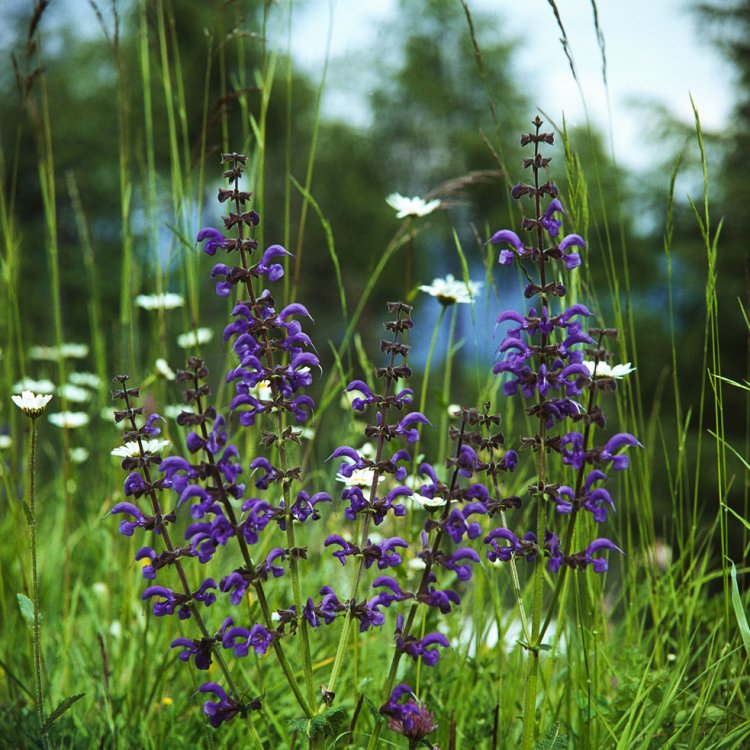
Salvia pratensis grows vigorously from a basal rosette. These leaves are typically wrinkled and ovate. From this attractive foliage emerge sturdy, upright stems. These stems bear numerous flower spikes. Each spike showcases whorls of distinctive, two-lipped blossoms. These flowers are usually a rich blue-purple. However, specific cultivars can offer delicate shades of pink or even pure white. Its scientific name, Salvia pratensis, directly translates to ‘meadow sage’. This name aptly describes its preferred grassy, open habitats.
The flowering period for Meadow Clary extends from late spring. It continues right through to mid-summer. This provides a sustained burst of wonderful colour. New blooms continuously open along the flower spikes, thus ensuring a prolonged and dynamic display. The fresh green foliage remains attractive throughout the entire growing season. It forms a neat, pleasing clump. This vibrant green complements the bright flowers beautifully.
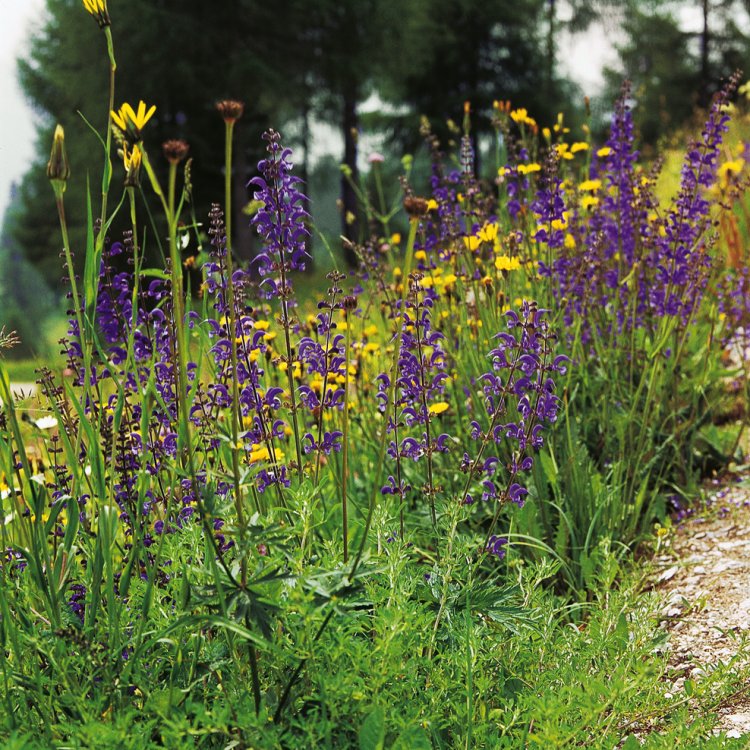
This versatile plant is truly an excellent choice for many garden settings. It excels when positioned in herbaceous borders. Here, its upright form adds significant structure and also height. Salvia pratensis is equally ideal for crafting informal cottage garden schemes. Furthermore, it suits naturalising in wildflower meadows, where it harmonises beautifully with other native plants. Its impressive drought tolerance, once established, also makes it a great option for gravel gardens.
Meadow Clary is a true boon for local biodiversity. It acts as a magnet for many beneficial insects. Its nectar-rich flowers are especially appealing to bees. Bumblebees, for instance, diligently forage among the blossoms. Butterflies too are actively drawn to its vibrant colours. They flutter gracefully from bloom to bloom. Therefore, by including Salvia pratensis in your garden, you actively support crucial pollinator populations.
To encourage further flower production and maintain a neat appearance, deadhead spent flower spikes regularly. After the main flush of blooms fades, a more substantial cut-back can occur. This is best done in late autumn or early winter. Such pruning will prepare the plant for its dormancy. It also promotes vigorous new growth for the subsequent spring season.
Hardy in the harshest UK conditions and below. Suitable for mountain regions.
Water regularly during dry spells, especially when young plants are establishing. Established Salvia pratensis are generally drought tolerant. Feeding is not typically required in fertile soil; however, a light application of balanced fertiliser in spring can promote vigour if needed. Deadhead spent flower spikes to encourage repeat blooming and prevent excessive self-seeding. Cut back faded flower stems to the base in late autumn or early winter. A more significant prune can also be done after the first flush of flowers to encourage a second. This plant is generally trouble-free, though it can occasionally be affected by powdery mildew in humid conditions. Being fully hardy (RHS H7), it requires no special winter protection in most UK gardens.