£2.47 – £3.17Price range: £2.47 through £3.17
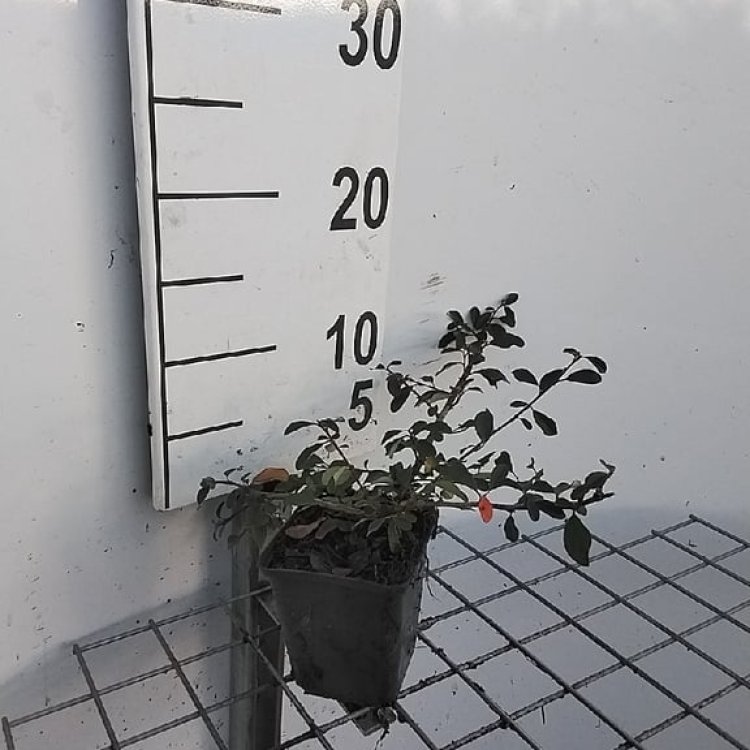
Cotoneaster radicans ‘Eichholz’ is a hardy, evergreen groundcover. It features glossy foliage, small white flowers in spring, and abundant red berries in autumn/winter. This low-maintenance plant offers year-round interest and supports garden wildlife, perfect for various UK garden uses.
284 in stock
Discover Cotoneaster radicans ‘Eichholz’, a resilient evergreen groundcover that offers year-round interest with its glossy foliage and vibrant berries.
This exceptional low-growing plant is an ideal choice for many UK gardens. It quickly forms a dense, spreading mat, providing excellent ground coverage. Gardeners appreciate its robust nature and adaptability to various soil conditions. Furthermore, it adds a touch of natural beauty through all seasons. You will find that Cotoneaster radicans ‘Eichholz’ enhances your garden’s aesthetic while also supporting local wildlife.
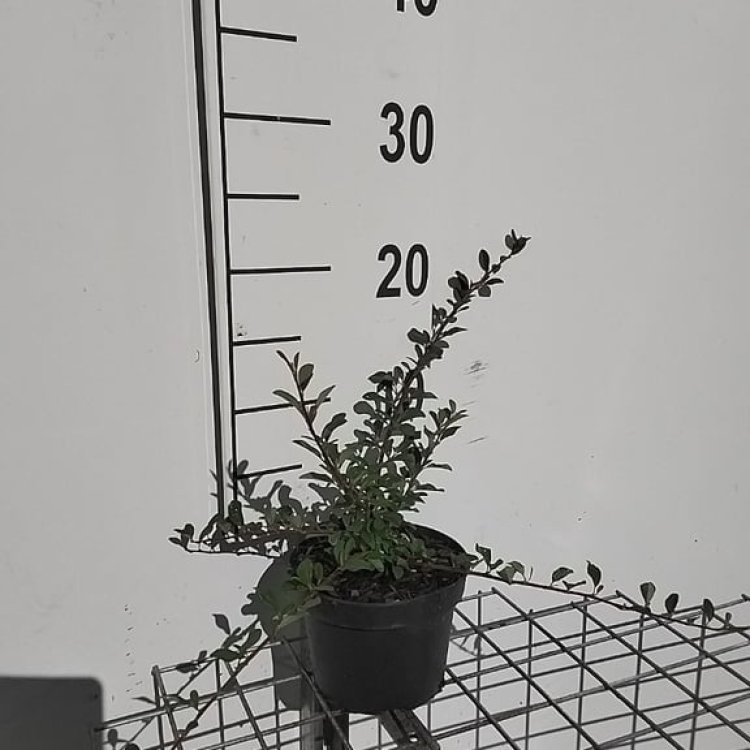
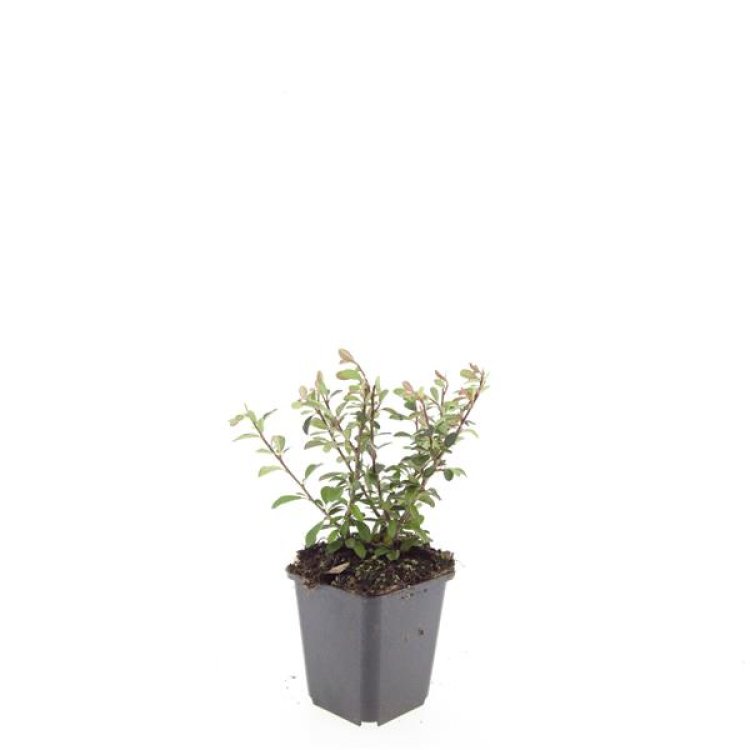
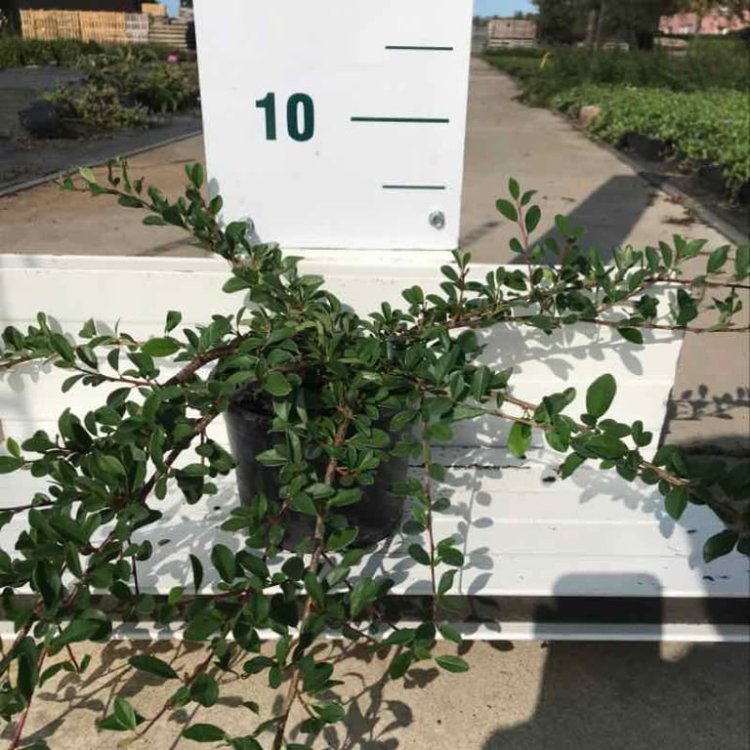
Cotoneaster radicans ‘Eichholz’ boasts small, glossy dark green leaves. These leaves remain on the plant throughout the year, ensuring constant coverage. As autumn arrives, and particularly in colder winter months, the foliage often develops attractive bronze and reddish hues. This seasonal transformation adds another layer of visual interest to your garden space.
In late spring to early summer, tiny white flowers appear. These blooms might be small, yet they attract vital pollinators such as bees. Following these flowers, abundant bright red berries develop. These vibrant berries are a true highlight. They provide striking colour in autumn and winter. Crucially, they offer an important food source for many bird species, enlivening your garden.
Cotoneaster radicans ‘Eichholz’ grows with a distinctive prostrate, mat-forming habit. This makes it an excellent choice for groundcover. It spreads effectively, helping to suppress weeds and stabilise slopes or banks. Consider using it in rockeries or along the front edge of borders for a neat, evergreen finish. Its rooting stems establish new plants where they touch the soil, creating a thick, natural carpet.
The botanical name provides insight into this plant. ‘Cotoneaster’ combines ‘cotonea’, meaning quince, and ‘aster’, like, referring to the quince-like leaves of some species. The specific epithet ‘radicans’ directly describes its growth; it means “rooting,” which aptly refers to its ability to root along its spreading stems. ‘Eichholz’ is a cultivar name, distinguishing this particular variety from others.
This plant is a genuine asset for garden biodiversity. The small flowers provide nectar for bees and other beneficial insects. Consequently, they support local pollinator populations. Later in the year, the profusion of red berries offers an invaluable food source for birds, helping them through the leaner winter months. Planting Cotoneaster radicans ‘Eichholz’ thus supports a healthy garden ecosystem.
Very hardy. Tolerates temperatures typical of a continental winter.
Water regularly during the first growing season until established. This plant is generally low maintenance, requiring minimal pruning to shape or control spread. Remove any dead or damaged branches as needed. It is largely pest and disease resistant.