£8.33 – £9.04Price range: £8.33 through £9.04
Clematis montana is a vigorous, deciduous climber known for its profusion of fragrant white or pink flowers in late spring. Hardy and easy to grow, it quickly adorns walls and pergolas, also attracting pollinators like bees.
140 in stock
Discover Clematis montana, a vigorous and popular climbing plant renowned for its stunning spring display of abundant, often fragrant, flowers.
Clematis montana stands as a truly beloved choice for many UK gardens. This robust, deciduous climber brings a spectacular splash of colour early in the season. Its rapid growth and impressive spread make it ideal for covering large areas quickly. Gardeners prize this plant for both its striking beauty and its generally low maintenance needs. It truly transforms any garden space with minimal fuss each year.
The botanical name, Clematis montana, clearly indicates its mountain origins. This plant is native to the majestic Himalayas, thriving in elevated, often cool, environments. Indeed, the Latin ‘montana’ translates simply to ‘of the mountains’, perfectly reflecting its natural habitat.
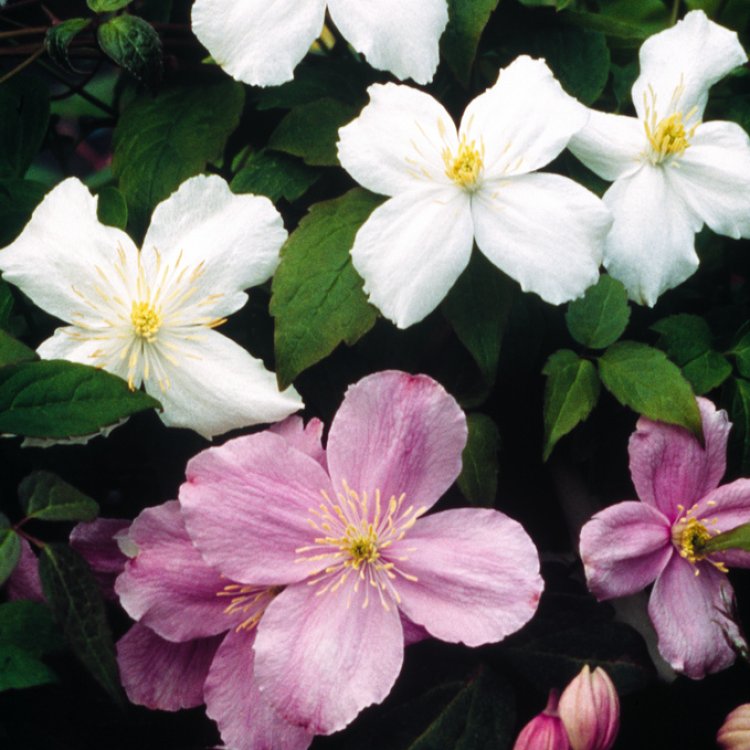
Several popular cultivars exist, offering slight variations in flower colour or size. Examples include ‘Rubens’ with delightful soft pink blooms or ‘Grandiflora’ for larger, pure white flowers. Its widespread popularity stems from its robust and reliably beautiful nature.
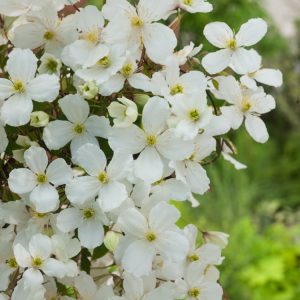
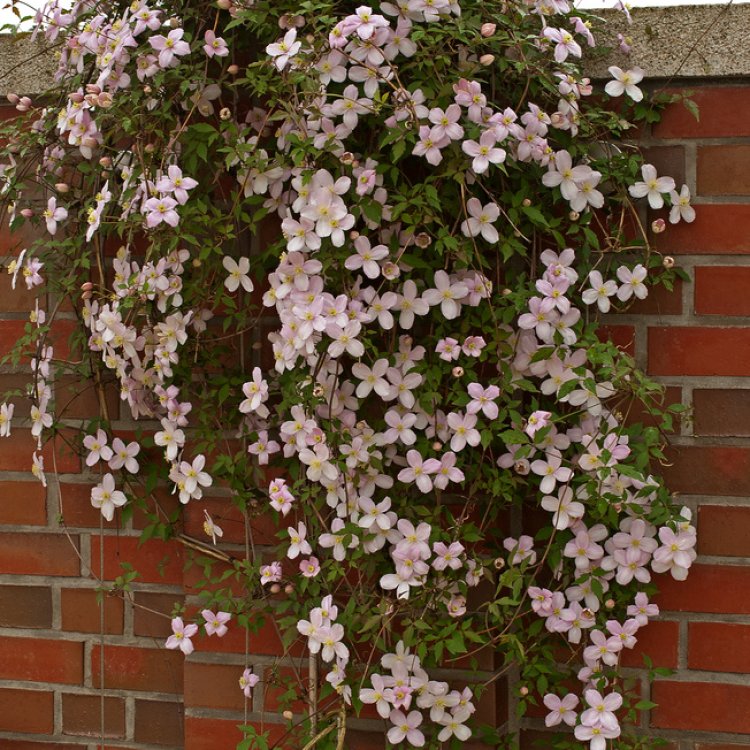
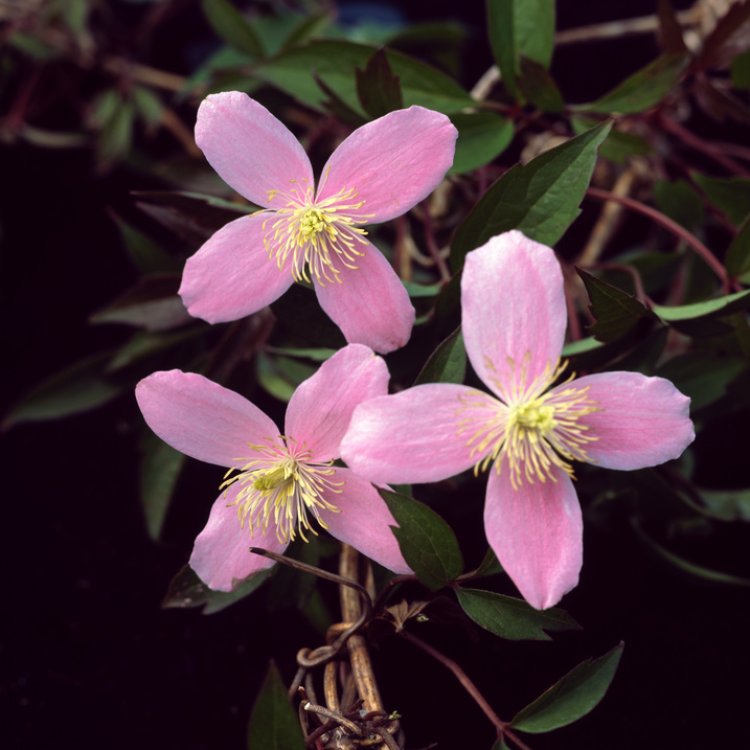
This beautiful climber produces a profusion of dainty, four-petalled flowers. These blooms often appear star-shaped, ranging in colour from pure white to soft pink. Many varieties also release a light, sweet fragrance. The flowering period typically starts in late spring, creating a breathtaking floral curtain.
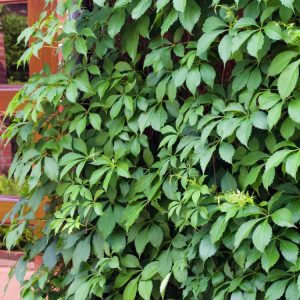
Its leaves are tripartite, presenting a fresh green hue. New growth can sometimes show an attractive bronzed tint, adding visual interest.
Clematis montana serves numerous valuable roles in garden design. Its impressive vigour makes it perfect for adorning large walls, pergolas, and sturdy garden arbours.
It also excels when allowed to scramble freely through mature trees or large shrubs, adding seasonal interest high up. On banks or slopes, it can even act as effective ground cover, helping to stabilise soil.
Regarding its care, Clematis montana belongs to pruning Group 1. This means it requires very little regular pruning. You should only remove any dead, damaged, or weak stems, doing so after its impressive flowering display.
If you need to manage its size or tidy its growth, prune lightly immediately after its flowering period has finished. Avoid any heavy or hard pruning, as this may reduce the following year’s bloom.
Beyond its visual appeal, Clematis montana also supports local garden wildlife. Its abundant, nectar-rich flowers provide a valuable food source for early-season pollinators. Bees, in particular, visit the blooms eagerly, helping to fertilise other plants. Thus, planting this clematis positively contributes to local biodiversity.
Hardy in all of the UK and northern Europe. Suitable for exposed sites.
Clematis montana is generally low-maintenance. Plant in well-drained, fertile soil, ideally with its roots shaded and top growth in sun or partial sun. Provide strong support from planting due to its vigorous nature. Water regularly, especially during dry periods in its first year, to establish. Feed with a balanced granular fertiliser in spring. Prune only if needed to control size or remove dead/weak stems, doing so immediately after flowering. Avoid heavy pruning.
This plant is deciduous so it will lose all of its leaves in the autumn and get fresh new foliage each spring.