£6.41 – £7.83Price range: £6.41 through £7.83
Buxus sempervirens, or Common Box, is a versatile evergreen shrub bringing timeless structure and dense, glossy foliage to UK gardens. Ideal for formal hedging, topiary, or edging, it offers year-round beauty and supports early pollinators.
149 in stock
Embrace timeless elegance in your garden with Buxus sempervirens, also known as Common Box. This versatile evergreen shrub offers year-round structure and beauty.
Often called Common Box, Buxus sempervirens is a cherished plant in British gardens, renowned for its dense, small leaves and evergreen nature. Gardeners have valued this robust shrub for centuries due to its adaptability and enduring appeal. It brings classic formality to any outdoor space, making it a cornerstone for traditional and contemporary designs alike. Furthermore, its rich history as a garden favourite truly underscores its timeless charm.
Buxus sempervirens, or Common Box, is a beloved evergreen shrub originating from Europe, North Africa, and Western Asia. Its name, “Buxus,” likely comes from the Greek “pyxis,” referring to boxes crafted from its dense wood. The specific epithet “sempervirens” means “always green,” perfectly describing its enduring foliage. This plant belongs to the Buxaceae family.
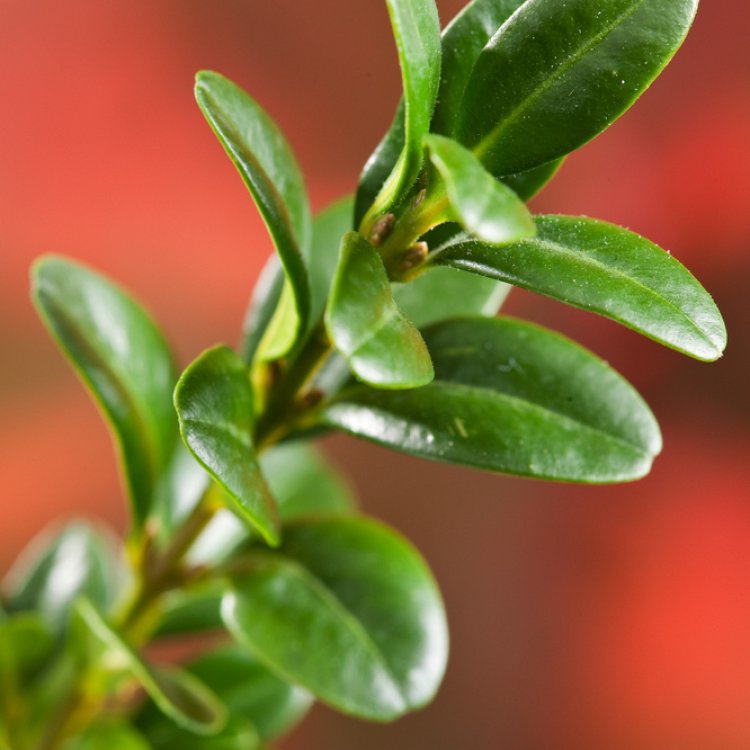
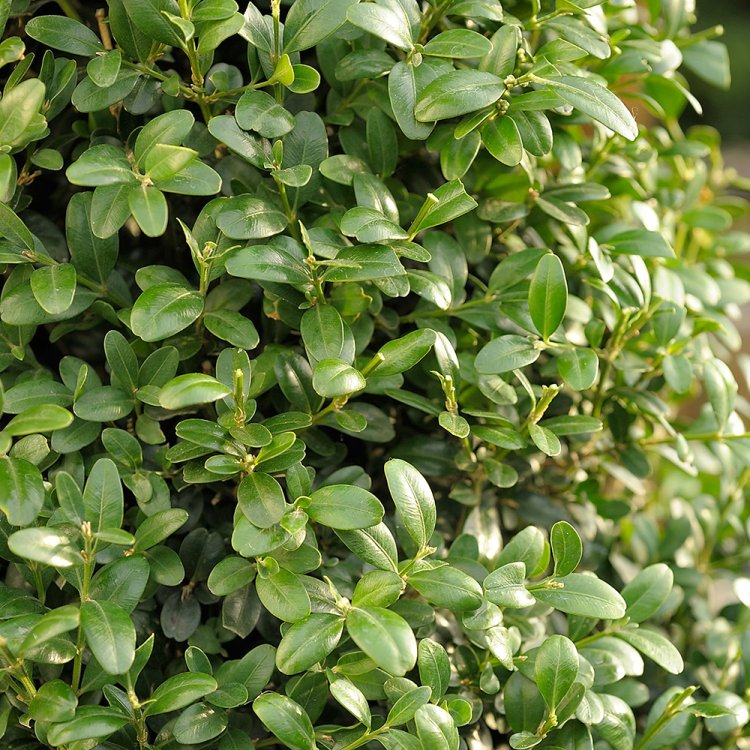
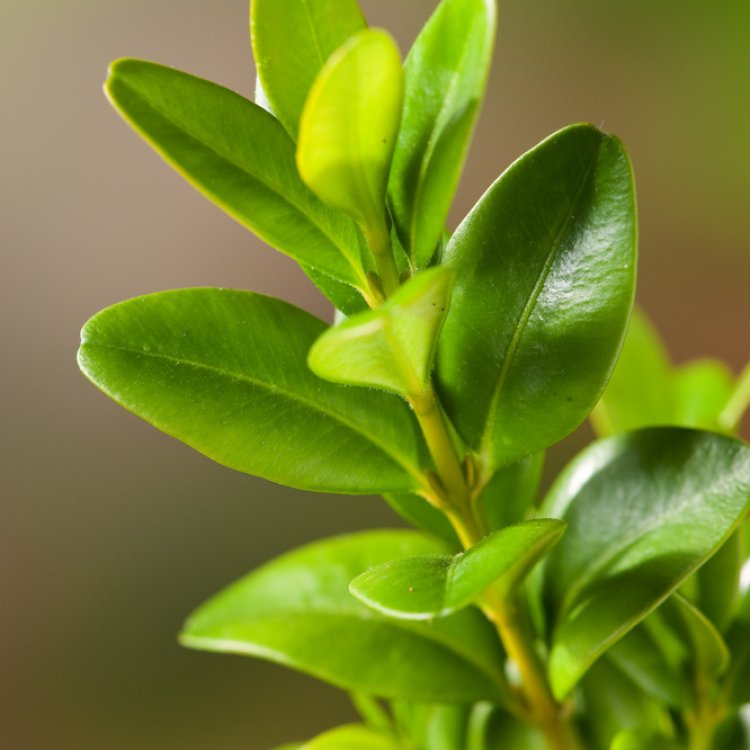
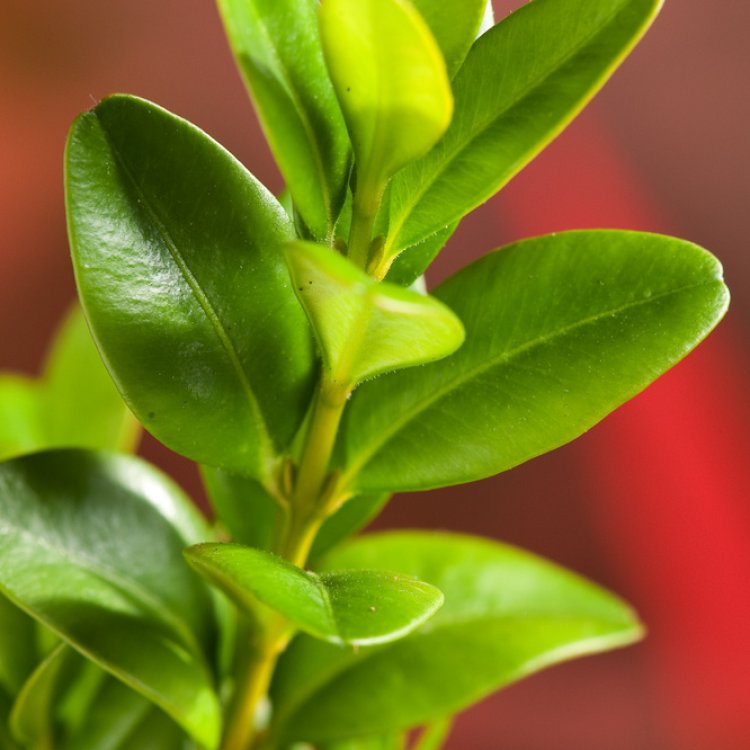
The beauty of Buxus sempervirens lies in its rich, dark green leaves. These small, oval-shaped leaves grow densely, creating a wonderfully uniform texture. Moreover, they remain vibrant throughout the year, providing essential structure during winter months. Although its flowers are small and inconspicuous, appearing in spring, they hold nectar. Bees and other pollinators visit these modest blooms, therefore adding to the plant’s ecological value.
This plant excels in many garden roles. Gardeners often use Buxus sempervirens for creating crisp, formal hedges that define borders. It also forms impressive topiary shapes, from simple balls and cones to intricate animal forms. Furthermore, its dense growth makes it ideal for edging pathways or knot gardens. The plant’s ability to withstand regular pruning helps maintain desired shapes and sizes, enabling precise garden artistry. Its enduring green also provides a calm backdrop for flowering plants.
Despite its formal appearance, Buxus sempervirens does support local wildlife. Its small flowers, though not showy, provide an early source of nectar for bees and other beneficial insects in spring. Birds also appreciate the dense cover that Buxus hedges offer. They find shelter and nesting sites within its protective foliage, enhancing biodiversity in your garden space. Therefore, planting Buxus offers both aesthetic and ecological benefits.
Very hardy. Tolerates temperatures typical of a continental winter.
Water regularly during dry spells, especially for newly planted Buxus and those in pots. Ensure the soil remains moist but not waterlogged. Apply a balanced, slow-release fertiliser in spring, particularly for plants grown in containers or those regularly clipped. For formal shapes and hedges, prune Buxus sempervirens in late spring or early summer (May or June), and again in late August or September if needed. Avoid pruning during very hot, sunny weather to prevent leaf scorch. Watch for common issues like Box Blight and Box tree caterpillar; inspect regularly and treat if necessary. While hardy, young plants can benefit from some protection in very harsh winters.