£4.86 – £5.56Price range: £4.86 through £5.56
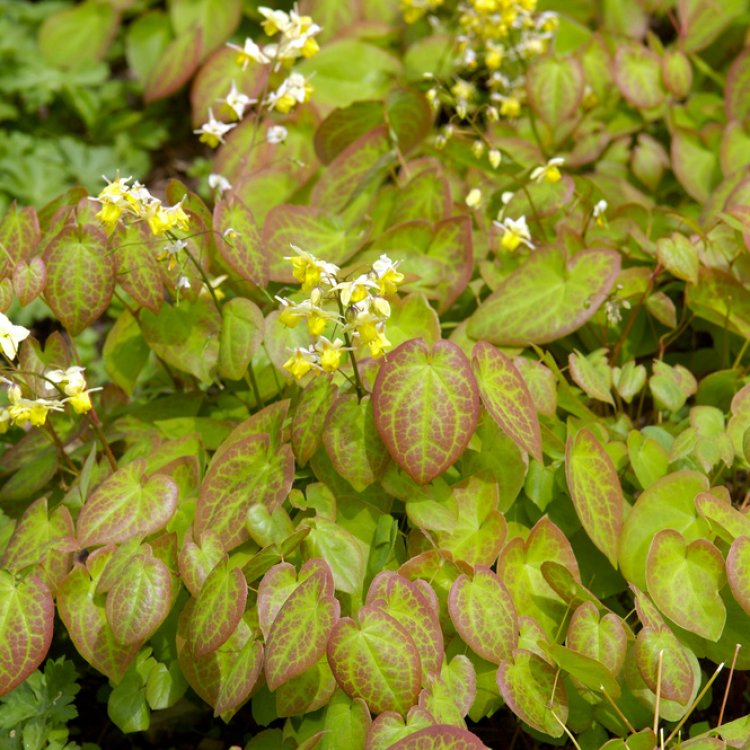
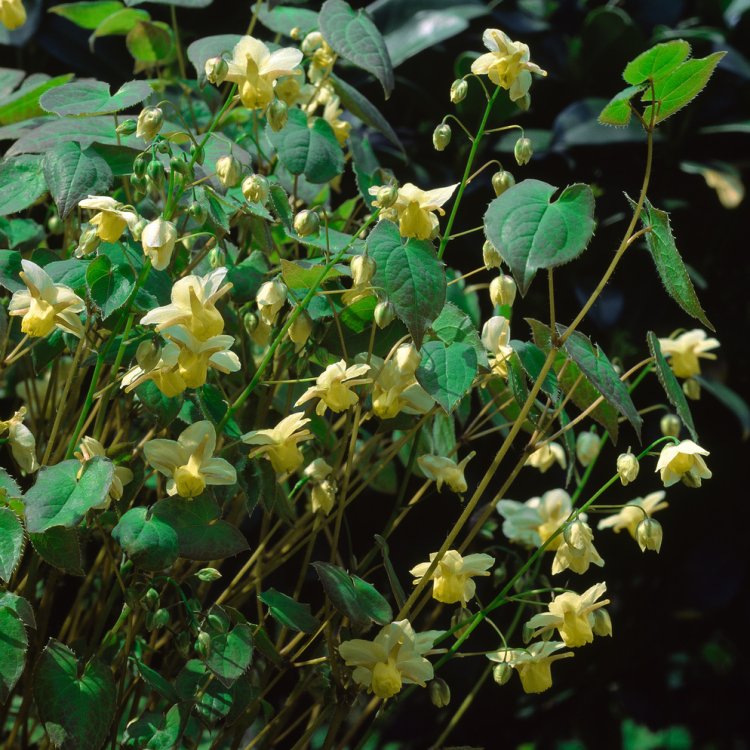
Epimedium versicolor ‘Sulphureum’ offers delicate, spurred pale yellow flowers in spring, set above attractive, bronze-tinted foliage. This hardy perennial provides excellent ground cover in shady UK garden spots, thriving even in dry shade. It is a robust, low-maintenance choice.
2762 in stock
Epimedium versicolor ‘Sulphureum’ is a captivating perennial, offering charming pale yellow flowers and distinctive foliage, perfect for enriching shady UK garden spots.
Delight in the understated elegance of Epimedium versicolor ‘Sulphureum’, a superb choice for those seeking beauty in dappled light. This hardy plant, often called Barrenwort, brings a gentle brightness to woodland settings and shaded borders across the UK. It produces delicate, spurred flowers in spring, hence its common name Bishop’s Hat. Furthermore, its attractive foliage provides long-lasting interest throughout the growing season, adapting wonderfully to various conditions.
Epimedium versicolor ‘Sulphureum’ truly stands out with its unique appeal. This specific cultivar is a hybrid, a cross between Epimedium grandiflorum and Epimedium pinnatum subsp. colchicum. The genus name ‘Epimedium’ originates from a plant found in the ancient region of Media. Meanwhile, ‘versicolor’ highlights its changing leaf colours and ‘Sulphureum’ describes the distinctive sulphur-yellow hue of its blooms. This particular plant develops charming, almost ethereal flowers, presenting a delicate appearance.
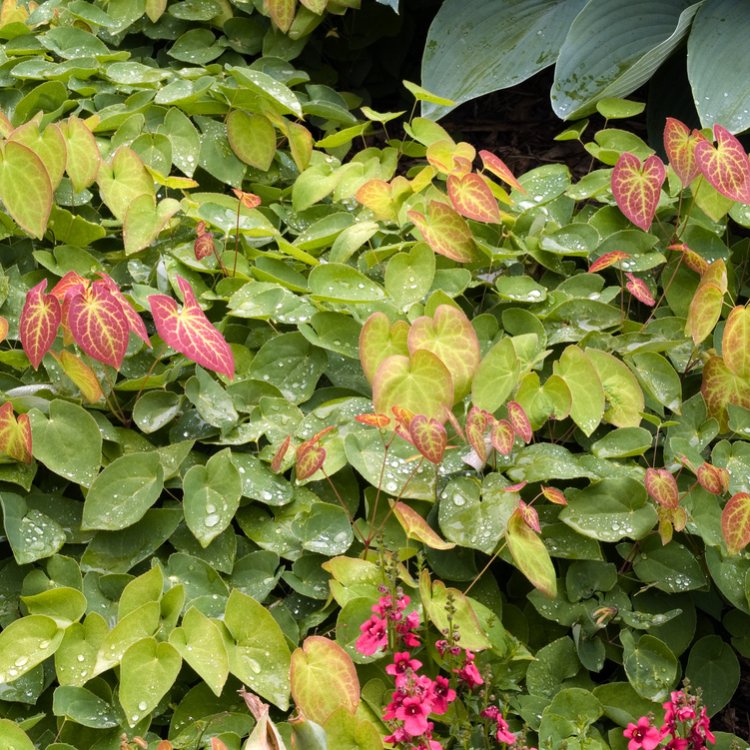
From early spring, Epimedium versicolor ‘Sulphureum’ emerges with fresh, often bronze-flushed leaves. These heart-shaped or arrow-shaped leaves gradually mature to a lush green. Then, as autumn arrives, they can develop beautiful reddish or coppery tints. This makes the plant an excellent choice for year-round visual appeal in the garden. While some Epimediums are fully evergreen, this cultivar is semi-evergreen in the UK. During harsh winters, it might lose some foliage, yet it always bounces back with vigour.
The delicate flowers of Epimedium versicolor ‘Sulphureum’ grace the garden in April and May. These spurred, pale yellow blossoms float on slender stems just above the foliage. They create a light, airy effect, resembling tiny hats, thus inspiring the common name ‘Bishop’s Hat’. These flowers, despite their delicate appearance, are remarkably resilient. Furthermore, they provide an early nectar source for pollinating insects, including bees. Gardeners greatly appreciate their subtle beauty in the spring landscape.
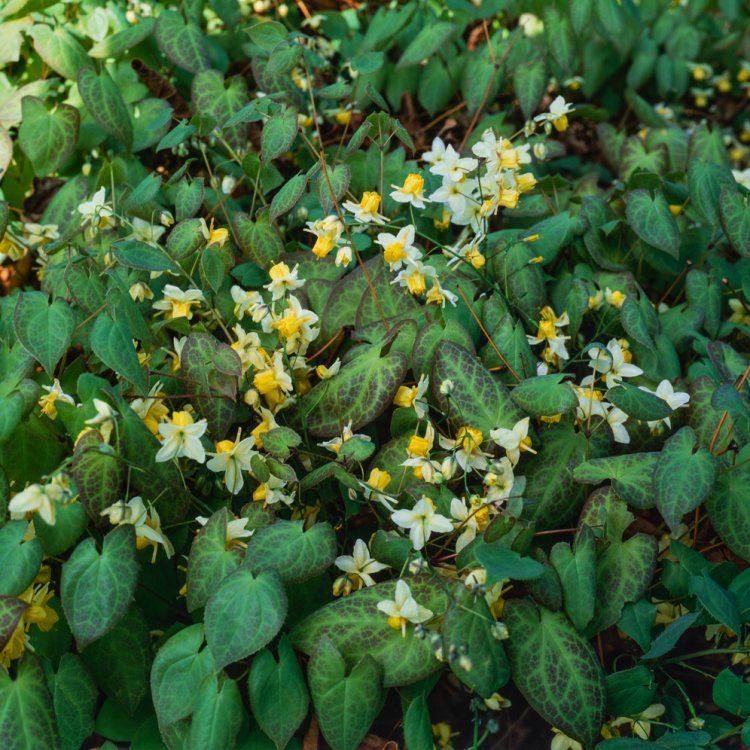
Epimedium versicolor ‘Sulphureum’ proves to be incredibly versatile in garden design. It forms an effective ground cover, suppressing weeds and adding textural interest beneath trees and shrubs. Many gardeners utilise it to edge shady borders, creating a soft, natural transition. It also thrives in woodland gardens, blending seamlessly with native plants and ferns. Its notable tolerance for dry shade once established makes it invaluable for challenging spots where other plants struggle. Therefore, this plant offers solutions for various difficult garden areas.
Keeping Epimedium versicolor ‘Sulphureum’ in peak condition is straightforward. Gardeners often cut back the old, tired foliage in late winter or very early spring. This allows the new growth and emerging flowers to display prominently. This simple task revitalises the plant and prepares it for the new season. Happily, this plant does not require complex pruning or shaping. Its natural mounding and spreading habit creates a desirable form without intervention.
Epimedium versicolor ‘Sulphureum’ contributes positively to local wildlife. Its early spring flowers provide an important food source for early emerging bees and other pollinators. These insects seek nectar when few other plants are in bloom. Therefore, including this plant in your garden supports biodiversity. You directly help local insect populations by planting it.
Very hardy. Tolerates temperatures typical of a continental winter.
Epimedium versicolor 'Sulphureum' is relatively low maintenance. Water regularly during dry spells, especially when establishing in dry shade. Established plants show good drought tolerance. Apply a balanced fertiliser or a mulch of organic matter in spring to encourage vigorous growth. Cut back old, tired foliage in late winter or very early spring before new growth emerges; this allows the delicate flowers and fresh leaves to display more effectively. Generally pest and disease free, though slugs and snails may target new shoots.