£3.62 – £4.32Price range: £3.62 through £4.32
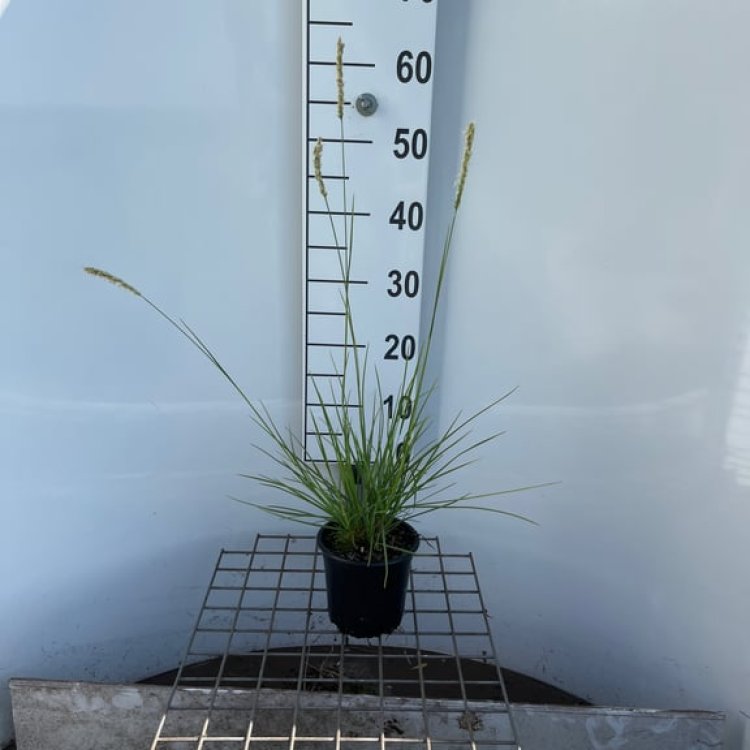
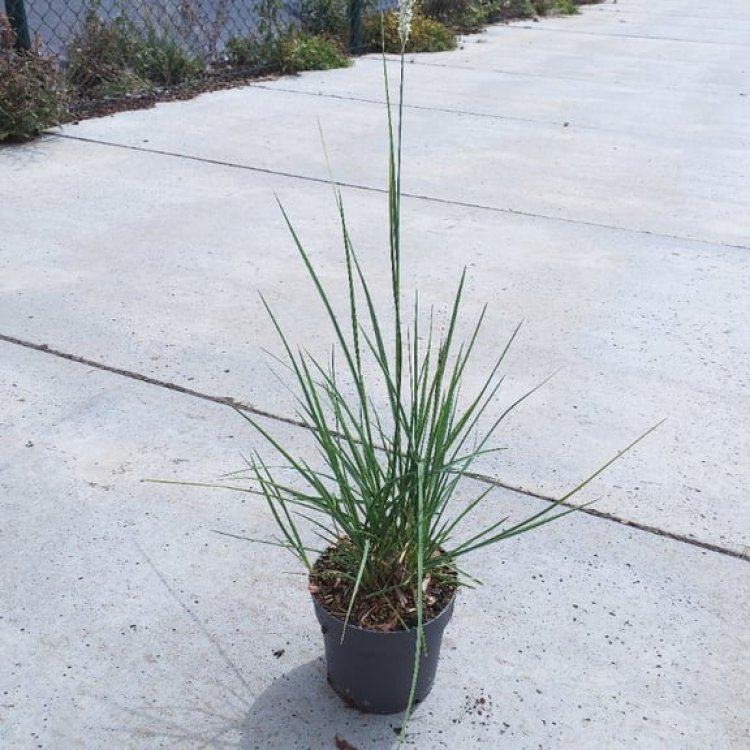
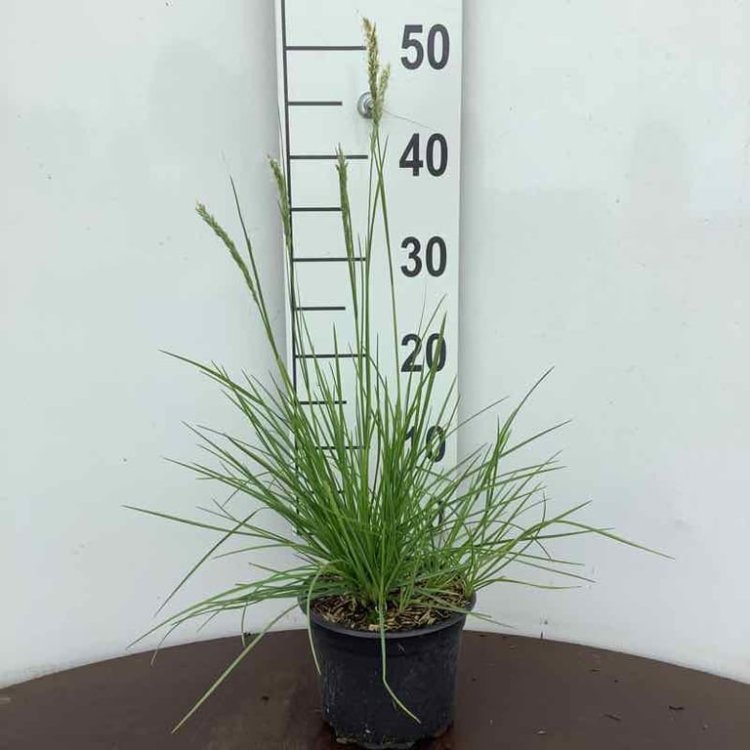
Sesleria autumnalis, or Autumn Moor Grass, is a superb evergreen ornamental grass. Its blue-green leaves transform to golden in autumn, alongside elegant silvery-white flower spikes. Perfect for year-round garden texture and low-maintenance beauty, it thrives in sun or shade.
4831 in stock
Bring vibrant, year-round texture and a touch of serene elegance to your garden with Sesleria autumnalis, often known as Autumn Moor Grass. This exceptional evergreen ornamental grass offers beautiful blue-green foliage that transforms into a glorious golden hue in autumn, providing interest through every season.
Sesleria autumnalis truly shines as a versatile and low-maintenance addition to UK gardens. Its neat, mounding habit makes it ideal for various planting schemes, from contemporary designs to more naturalistic landscapes. Gardeners appreciate its robust nature and ability to thrive in a range of conditions, ensuring a flourishing display with minimal effort. This resilient grass establishes well, forming attractive clumps that enhance any outdoor space.
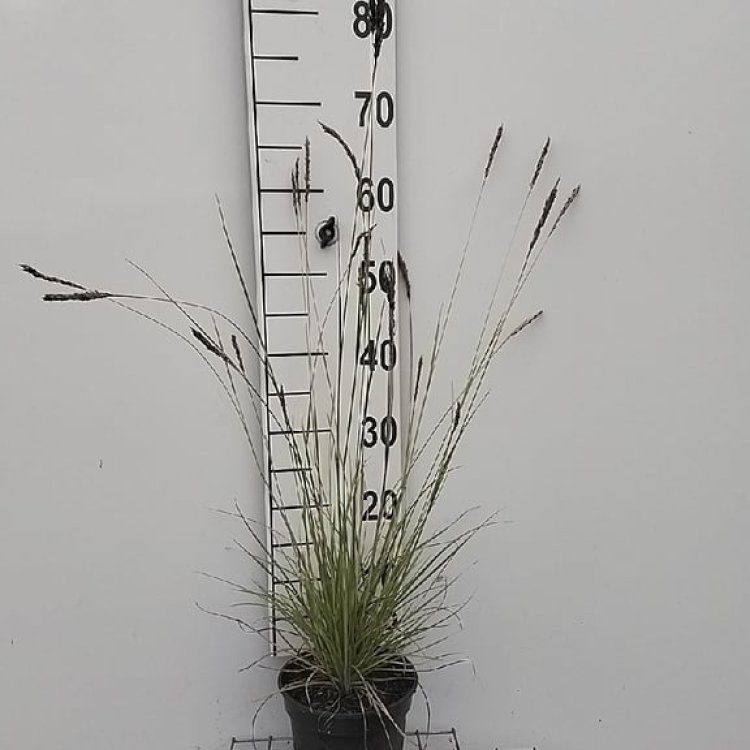
Sesleria autumnalis derives its botanical name from Leonardo Sesler, an 18th-century Italian physician and botanist, recognising his contributions to the field. The specific epithet ‘autumnalis’ fittingly describes its most captivating display, as its foliage deepens to warm, golden tones during the autumn months. Before this autumnal spectacle, the plant sends up delicate, silvery-white flower spikes from late summer through to autumn. These slender, bottlebrush-like plumes stand elegantly above the foliage, adding a refined texture to the garden. As they mature, these flower heads gradually turn tan, continuing to provide architectural interest well into the winter.
The distinctive blue-green leaves of Sesleria autumnalis maintain their colour for much of the year, forming neat, compact hummocks. This makes Autumn Moor Grass an excellent choice for edging borders, creating naturalistic drifts, or mass planting for a striking visual impact. Furthermore, its ability to thrive in challenging dry shade conditions makes it invaluable for difficult garden spots where other plants struggle. The plant generally needs very little in the way of pruning. You simply cut back any old or tired foliage in late winter or early spring. This allows fresh, new growth to emerge vibrantly. Sesleria autumnalis is also a welcome sight for some garden wildlife, providing structure and shelter, especially during colder months. Plant this charming grass to enjoy its enduring beauty and easy-care nature in your British garden.
Very hardy. Tolerates temperatures typical of a continental winter.
Sesleria autumnalis is a remarkably low-maintenance ornamental grass. It requires minimal care once established. Simply cut back any old, faded, or damaged foliage in late winter or early spring, before new growth emerges. This encourages a fresh, neat appearance for the coming season. Water newly planted specimens regularly until they are well-established. Established plants are drought-tolerant and rarely need supplementary watering, except during prolonged dry spells.