£2.52 – £3.22Price range: £2.52 through £3.22
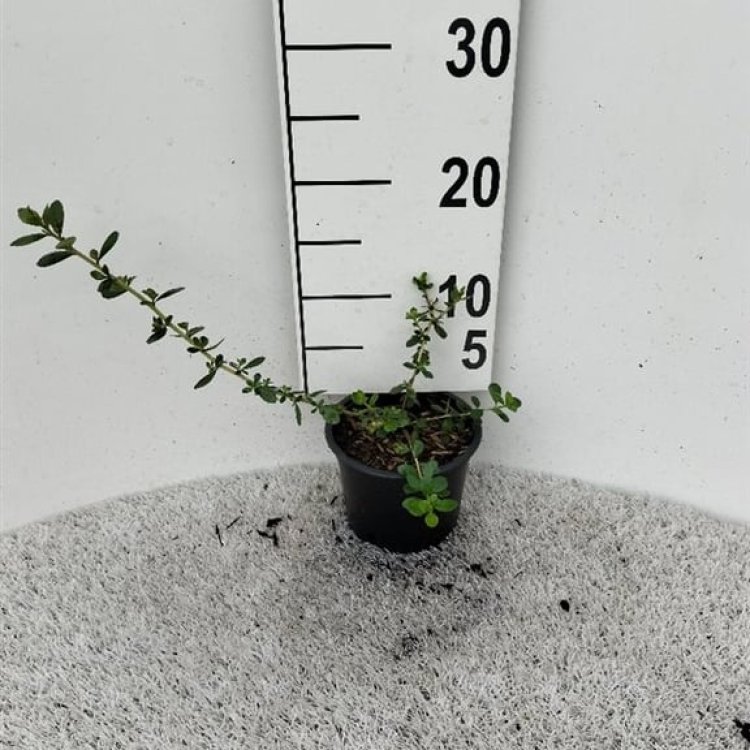
Escallonia ‘C.F. Ball’ is a vibrant evergreen shrub boasting glossy green foliage and striking carmine-red, bell-shaped flowers from early summer. It attracts pollinators and thrives in UK gardens.
2559 in stock
Escallonia ‘C.F. Ball’ brightens UK gardens with its vibrant carmine-red flowers and lush evergreen foliage, a truly captivating addition.
This striking evergreen shrub, Escallonia ‘C.F. Ball’, offers year-round interest to any garden space. Its origins trace back to the captivating landscapes of South America, specifically Chile, where various Escallonia species thrive in diverse conditions. The plant received its name in honour of Charles Frederick Ball, a notable Irish botanist and horticulturist. Ultimately, this robust plant brings a cheerful splash of summer colour, consistently attracting beneficial wildlife to your outdoor realm. Home gardeners frequently choose it for its notable hardiness and consistently reliable, long-lasting blooms.
The allure of Escallonia ‘C.F. Ball’ truly lies in its generous display of colour. From June through to September, clusters of rich carmine-red, bell-shaped flowers emerge. These blooms provide a striking contrast against its backdrop of small, glossy, dark green leaves. The evergreen nature of the foliage ensures that your garden maintains structure and interest even during the colder months.
Furthermore, this plant holds a fascinating heritage. Charles Frederick Ball (1879-1918) was an assistant curator at the Royal Botanic Gardens, Glasnevin, Dublin. He was a dedicated botanist, making significant contributions to horticulture before his untimely death during World War I. Therefore, naming this vibrant cultivar after him fittingly honours his legacy within the plant world.
Gardeners across the UK value Escallonia ‘C.F. Ball’ for its adaptability and visual appeal. It makes a superb informal hedge, offering privacy and a beautiful boundary. Alternatively, plant it as a stand-alone specimen shrub to highlight its striking form and flower power. It also works wonderfully in mixed shrub borders, adding consistent evergreen structure. Because it thrives in exposed locations, particularly coastal areas, it becomes an ideal choice where other plants might struggle. Its dense growth provides shelter, thus proving highly beneficial.
Moreover, this plant is a friend to local wildlife. Its nectar-rich flowers are a magnet for buzzing bees and colourful butterflies. They visit frequently, gathering sustenance and assisting with pollination. Regular pruning after flowering helps maintain its compact shape and encourages a fresh flush of blooms next season. This ensures the plant remains healthy and continues to be a vibrant part of your garden for many years.
Hardy across most of the UK except particularly exposed or cold regions.
Water Escallonia 'C.F. Ball' regularly during its first year to ensure good establishment. Once mature, it is more drought tolerant. Prune lightly after flowering to maintain a tidy shape and encourage dense new growth. Remove any dead, damaged, or misplaced branches. In very exposed or cold UK regions, consider providing some winter protection for young plants.