£8.33 – £9.04Price range: £8.33 through £9.04
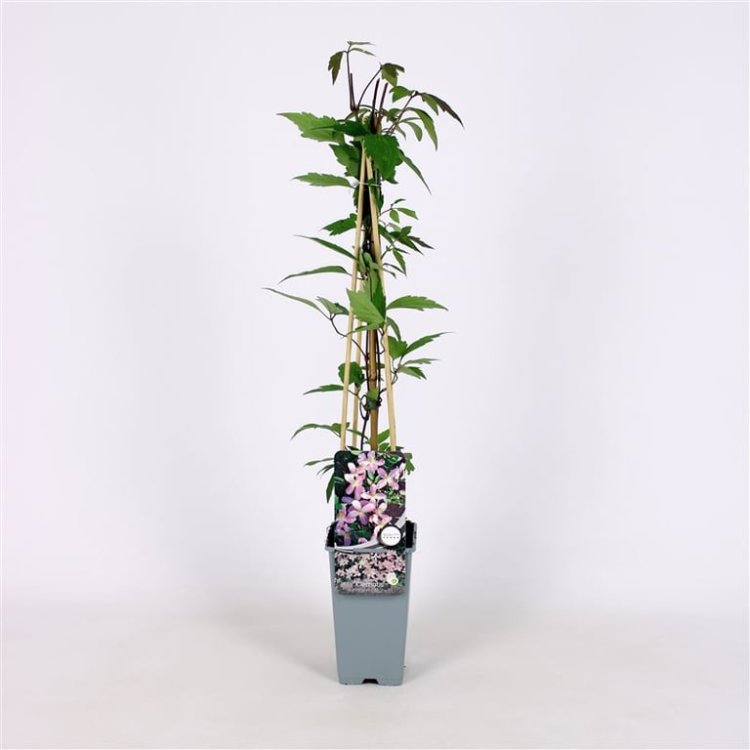
Clematis ‘Elizabeth’ is a vigorous, fragrant climber, boasting a spectacular display of pale pink, star-shaped flowers in late spring. This hardy clematis quickly covers structures, adding beauty and attracting pollinators to your UK garden.
879 in stock
Clematis ‘Elizabeth’ is a truly magnificent climbing plant, celebrated for its vigorous growth and an abundance of fragrant, pale pink blooms.
Introduce Clematis ‘Elizabeth’, a stunning addition to any UK garden, bringing vibrant colour and a delightful scent. This particular clematis variety quickly covers walls, fences, or pergolas with its lush foliage and beautiful flowers. It earns admiration for its resilience and ease of care, thus making it a popular choice among gardeners.
Also, its graceful habit and charming blossoms ensure it stands out in the landscape. You will find it thrives in many garden settings, offering a spectacular spring display. It truly enhances outdoor spaces.
Key Features of Clematis ‘Elizabeth’
About This Lovely Clematis Cultivar
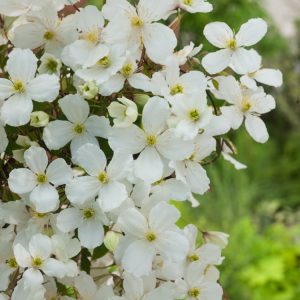
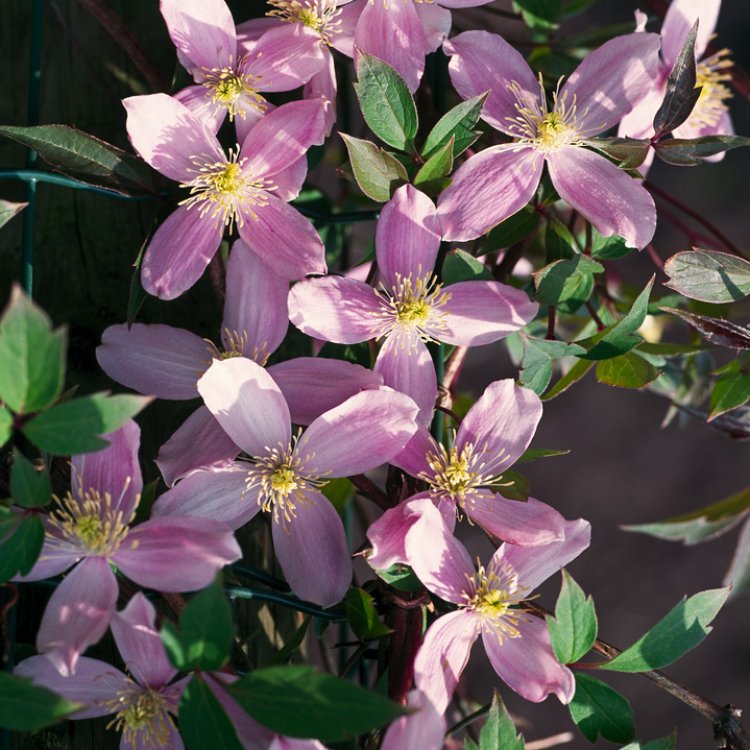
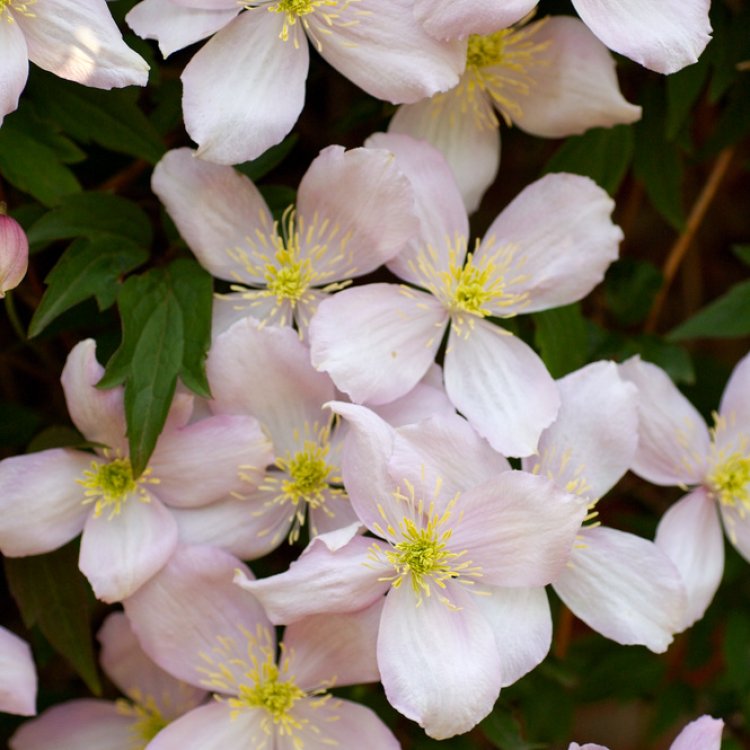
This outstanding clematis cultivar, Clematis ‘Elizabeth’, is named in honour of Queen Elizabeth II, a fitting tribute to its lovely look. It belongs to the Montana group of clematis. These types are known for their strong growth and early flowering. Consequently, it delivers a spectacular display each spring. The plant typically produces a generous flush of single, four-petalled flowers. These blossoms possess a charming pale pink hue, often deepening slightly towards their centres. Furthermore, a lovely, subtle vanilla scent comes from the flowers, enhancing their appeal.
Foliage and Growth Habits
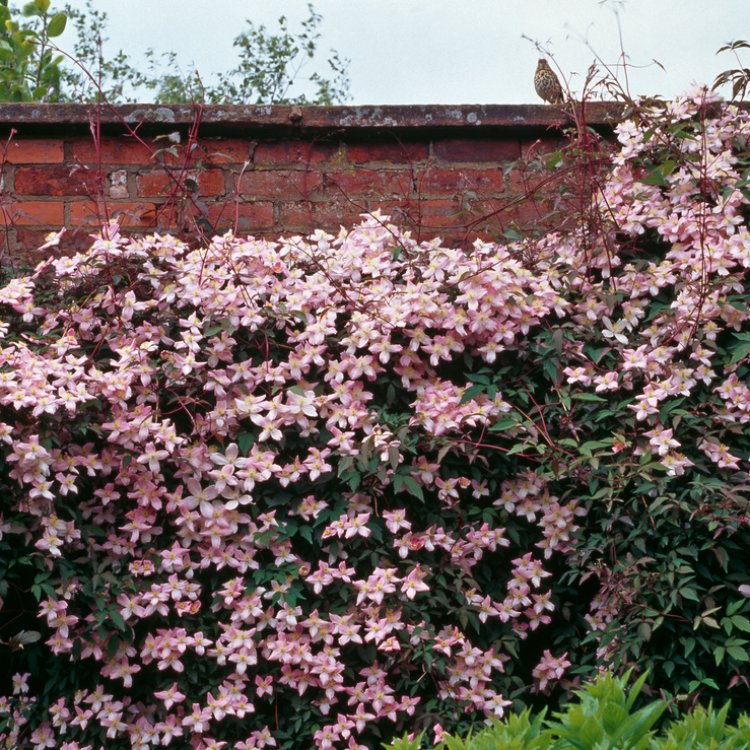
Clematis ‘Elizabeth’ first unfurls with attractive bronze-tinted new leaves. Over time, this foliage matures into a healthy, vibrant green, providing a dense cover. As a strong deciduous climber, it rapidly ascends trellises, arbours, and even trees. Therefore, it makes an excellent choice for creating a natural screen or softening hard garden structures. Its vigorous nature means it can quickly establish itself and transform an area. Moreover, it is quite adaptable, growing well in various spots from full sun to partial shade, provided its roots stay cool and moist.
Garden Uses and Wildlife Friendly Aspects
Gardeners often use Clematis ‘Elizabeth’ to adorn walls and fences, or to cascade over banks. It creates a stunning visual impact when allowed to scramble through large shrubs or even small trees, adding floral interest. Beyond its charm, this clematis actively supports local ecosystems. Its numerous open flowers prove highly attractive to a range of helpful insects. Thus, you will often observe bees and other pollinators visiting its blooms, adding to garden wildlife.
Pruning Clematis ‘Elizabeth’
For Clematis ‘Elizabeth’, pruning needs are minimal. It falls into Pruning Group 1, meaning it flowers on old wood. Generally, it simply needs light tidying after its flowering period ends. This involves removing any dead or weak stems to keep its vigour and shape. This light touch helps maintain the plant’s natural form.
However, if the plant grows too large or crowded, a harder prune can rejuvenate it. This should also happen right after flowering to ensure blooms for the next year. You will find this simple method maintains its health and flowering ability.
Hardy in all of the UK and northern Europe. Suitable for exposed sites.
Clematis 'Elizabeth' thrives in a sheltered spot with full sun to partial shade, ideally where its roots remain cool and shaded. Plant in fertile, humus-rich, well-drained soil. Water regularly during dry spells, especially in its first year. Apply a thick mulch of organic matter around the base in spring to retain moisture and keep roots cool. This plant belongs to Pruning Group 1; therefore, it requires minimal pruning. After flowering in late spring/early summer, simply remove any dead, damaged, or weak stems. If the plant becomes overgrown, you can cut it back harder immediately after flowering to rejuvenate it, though this is not usually necessary annually.
This plant is deciduous so it will lose all of its leaves in the autumn and get fresh new foliage each spring.