£4.18 – £4.90Price range: £4.18 through £4.90
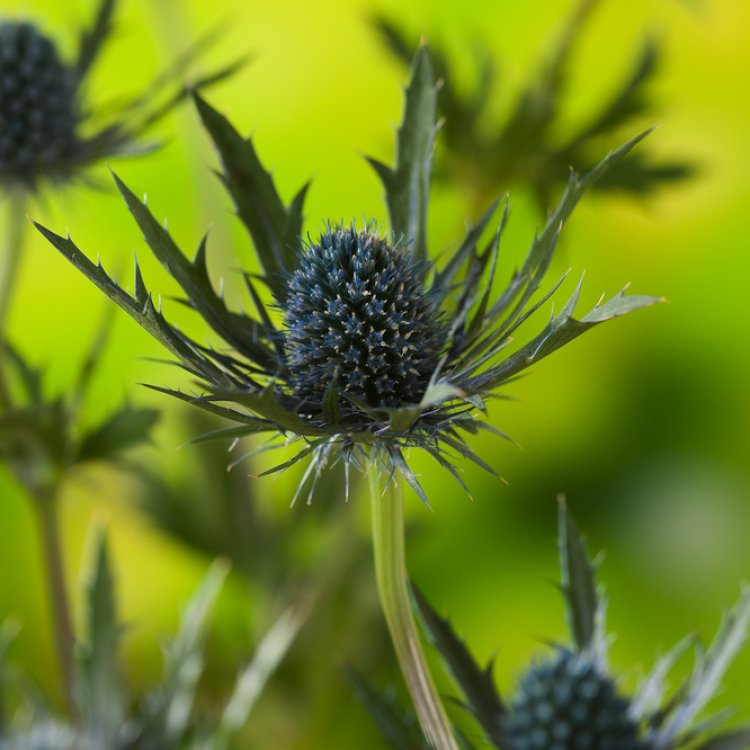
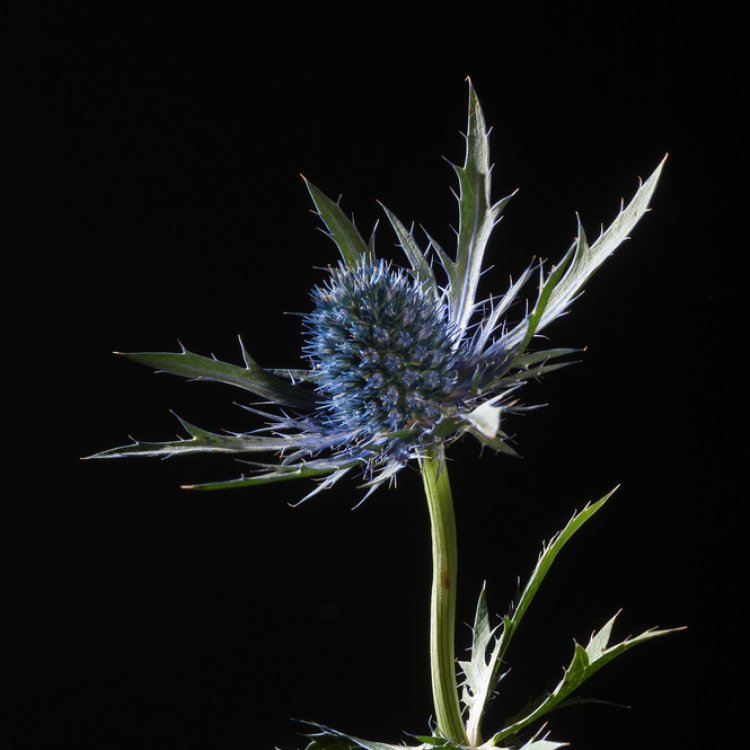
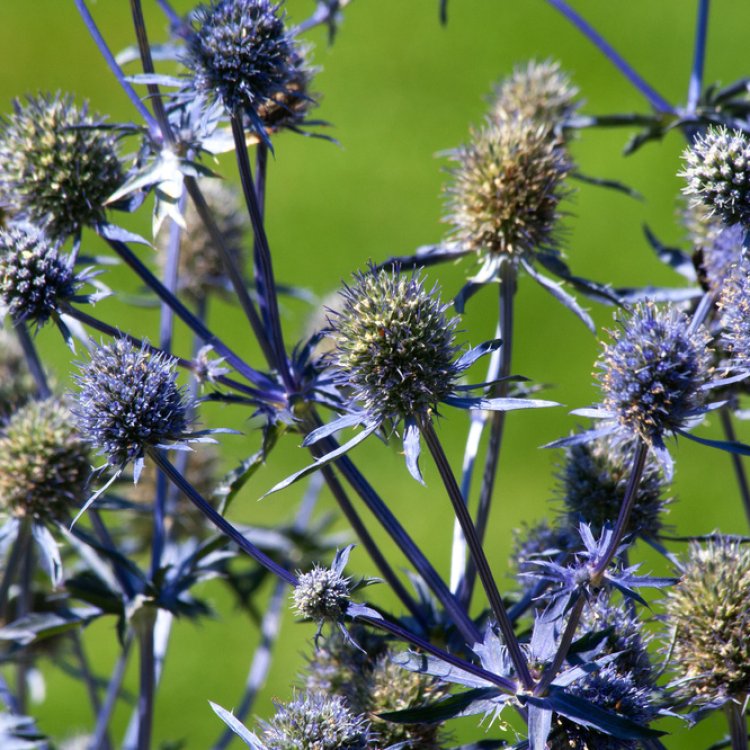
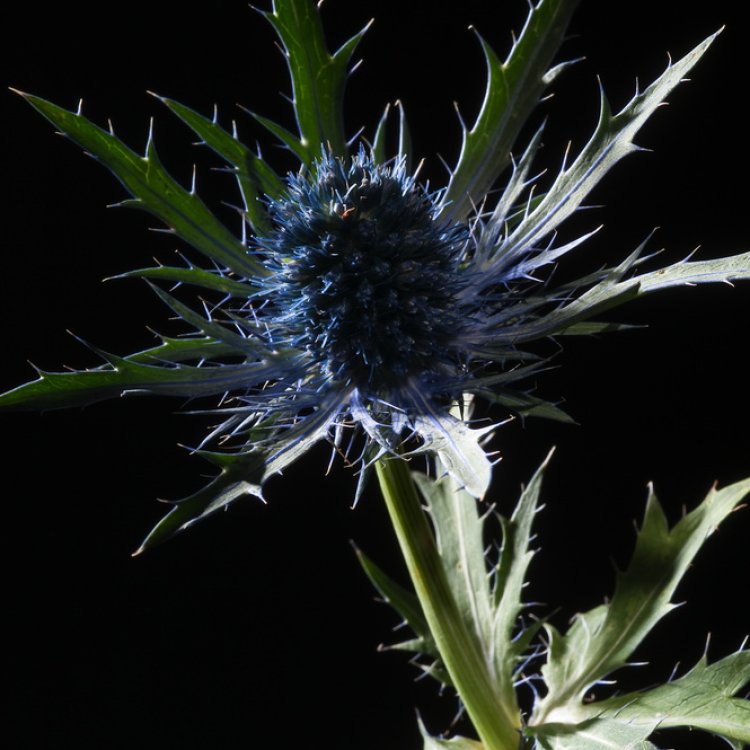
Eryngium planum, the Blue Thistle, offers striking metallic-blue flowerheads and an architectural form. This hardy perennial thrives in full sun, attracting bees and butterflies. Enjoy its unique texture and vibrant late-summer colour from July to September.
63 in stock
Introduce a striking architectural presence to your garden with Eryngium planum, the captivating Blue Thistle, known for its unique metallic-blue hues.
Often called Blue Thistle or Flat Sea Holly, Eryngium planum is a truly distinctive herbaceous perennial. This robust plant brings an exotic, yet hardy, charm to UK gardens. It quickly establishes itself, producing a captivating display of steely-blue flowerheads that command attention. Furthermore, it adds wonderful texture and colour, making it a garden favourite for many. Gardeners appreciate its low-maintenance nature and drought tolerance once settled.
Eryngium planum, commonly known as Blue Thistle or Flat Sea Holly, originates from Eastern Europe and Asia. The genus name ‘Eryngium’ comes from the Greek word ‘eryngion’, referring to a type of thistle. Its species name ‘planum’ is Latin for ‘flat’. This aptly describes its less pronounced, flatter bracts compared to other Sea Hollies. This unique feature helps distinguish it.
This remarkable perennial typically reaches an approximate height of 0.9 metres and spreads to about 0.5 metres. It forms a clump of basal leaves, which are usually heart-shaped and dark green. Erect, branching stems emerge, topped with numerous, intensely blue, cone-shaped flowerheads. Spiky, silvery-blue bracts encircle these vibrant blooms, creating a truly eye-catching display. The foliage itself offers a grey-green contrast. Flowering typically occurs from July through to September, providing late summer colour. As such, these flowers are a fantastic addition to the summer border.
Eryngium planum thrives in full sun, needing plenty of light to develop its best blue colouration. It prefers well-drained soil; sandy, loam, chalk, and even well-drained clay soils are suitable. This plant is incredibly resilient, tolerating poorer soils and drought conditions once established. It brings architectural interest to garden borders, rockeries, and gravel gardens. Many gardeners also use it effectively in coastal schemes due to its hardiness.
Furthermore, Eryngium planum is a magnet for local wildlife. Its nectar-rich flowers are incredibly attractive to bees, butterflies, and other beneficial pollinators. You will often see a flurry of activity around its blooms. This makes it an ideal choice for creating a wildlife-friendly garden. This plant requires minimal pruning. Simply deadhead spent flowers to tidy the plant or encourage a few more blooms. Alternatively, leave the dried flowerheads for superb winter interest, adding structure to the frosty garden. Cut back the foliage in late autumn or early spring before new growth begins. This hardy perennial is a fantastic, low-maintenance option for any garden.
Hardy in all of the UK and northern Europe. Suitable for exposed sites.
Eryngium planum is a low-maintenance perennial. Water regularly during dry spells in its first year. Once established, it is drought tolerant. Deadhead spent flowers to encourage further blooms or leave them for winter interest and seed production. Cut back faded foliage in late autumn or early spring before new growth appears. No significant pruning is required.