£4.86 – £5.58Price range: £4.86 through £5.58
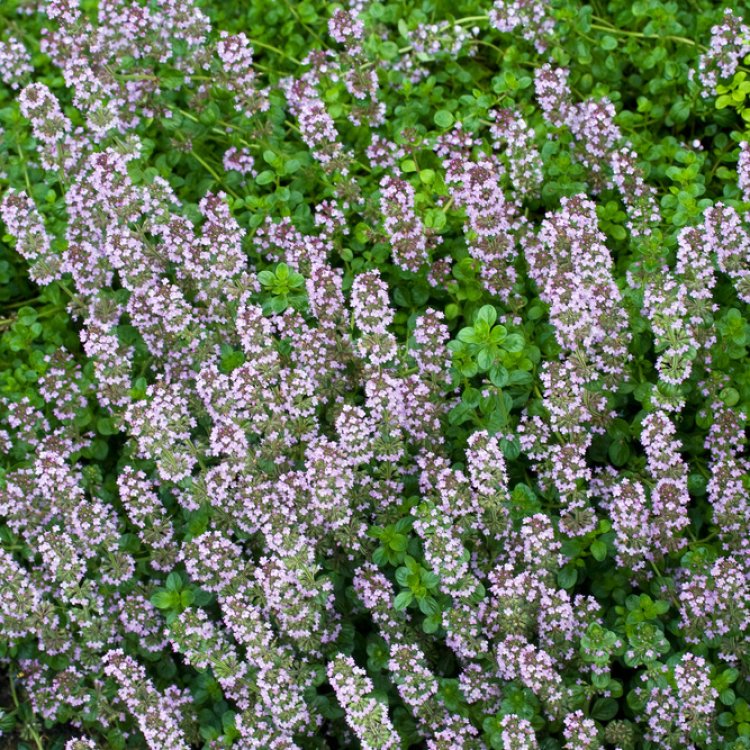
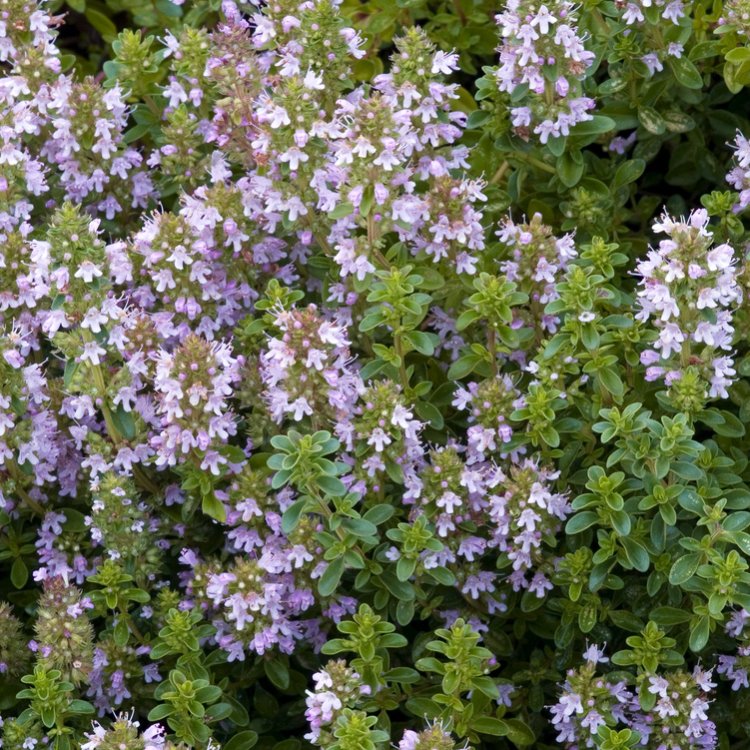
Thymus pulegioides, or Broad-leaved Thyme, is a fragrant, mat-forming perennial with pinkish-purple summer flowers. It attracts vital pollinators and is perfect for ground cover, rockeries, and path edges in UK gardens. Enjoy its year-round aromatic foliage.
1647 in stock
Discover Thymus pulegioides, a robust and aromatic perennial perfect for adding a touch of wild beauty and delicate fragrance to your UK garden.
Thymus pulegioides, often referred to as Broad-leaved Thyme or Wild Thyme, is a versatile and enchanting ground cover plant. It brings both visual appeal and a delightful scent to any outdoor space. Native to parts of Europe and Asia, this hardy species thrives in varied conditions, making it a reliable choice for UK gardeners. Its creeping habit and profusion of tiny flowers make it a favourite for attracting vital pollinators. This adaptable plant offers enduring charm with minimal fuss.
The genus name ‘Thymus’ derives from the Greek word ‘thumos’, which means courage or strength. Alternatively, it might come from ‘thymiama’, referring to the plant’s use as incense. The specific epithet ‘pulegioides’ indicates a resemblance to Pennyroyal (Mentha pulegium). This resilient plant has a long history, valued for its beauty and aroma. It grows wild across many European landscapes, including areas of the UK.
Thymus pulegioides forms a low-growing, spreading mat of small, oval to rounded leaves. These glossy green leaves are distinctively aromatic, releasing a wonderful fragrance when you brush past them. The foliage is typically semi-evergreen, retaining much of its colour through milder UK winters. This provides year-round interest.
During the summer months, from June to August, the plant bursts into bloom. It produces abundant clusters of tiny, tubular flowers, usually in shades of pink or purple. These vibrant blooms create a stunning carpet of colour across your garden.
Broad-leaved Thyme is an exceptional choice for various garden applications. Its low, spreading habit makes it ideal for ground cover, effectively suppressing weeds. Many gardeners use it to soften the edges of paths, where its fragrance can be appreciated as you walk by.
It also excels in rock gardens, filling crevices and cascading over stones. Furthermore, you can plant Thymus pulegioides in the front of mixed borders or even as part of a green roof system. Critically, these flowers are a vital food source. They attract a diverse range of pollinators, including many species of bees and butterflies, actively enhancing your garden’s biodiversity.
This hardy perennial requires minimal maintenance. After its main flowering period, a light trim helps to maintain a neat shape. It also encourages a denser growth habit for the following season. Regular pruning is not essential, but it can help to rejuvenate older plants and prevent them from becoming too woody. Its robust nature and charming appearance make it a fantastic addition to almost any garden style.
Very hardy. Tolerates temperatures typical of a continental winter.
Thymus pulegioides is a low-maintenance plant. Ensure it is planted in well-drained soil and a position receiving full sun. Once established, it is notably drought-tolerant, so avoid overwatering. After its primary flowering period in late summer, give the plant a light trim. This will help to maintain a compact shape and encourage denser, fresh growth for the following season. Protect from excessive winter wet to prevent root rot in colder climates.