£3.11 – £4.52Price range: £3.11 through £4.52
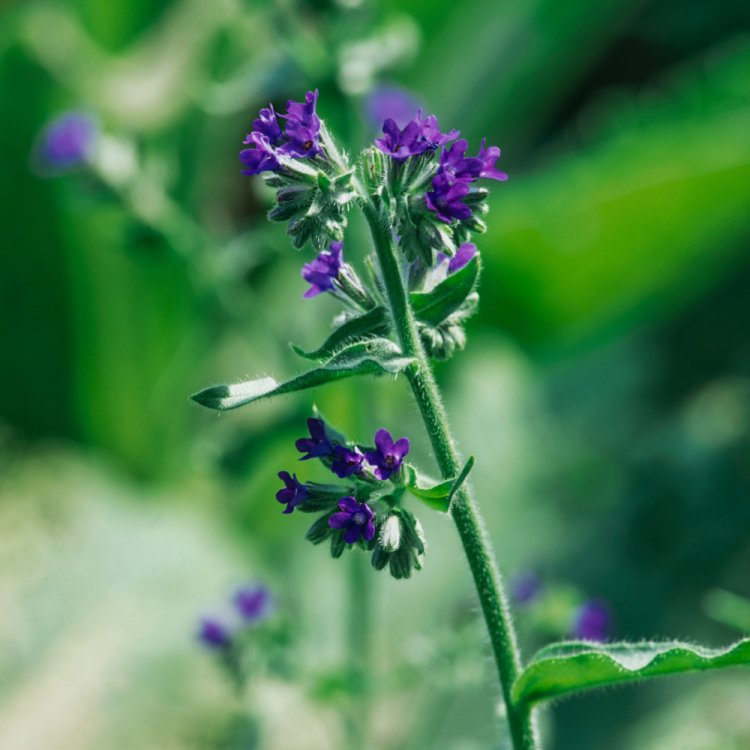
Anchusa officinalis, also known as Common Alkanet, delights UK gardens with vibrant blue flowers from late spring to mid-summer. A magnet for bees and butterflies, this robust perennial brings natural charm to borders and wildflower areas. It is an easy-to-grow, low-maintenance plant.
74 in stock
Discover Anchusa officinalis, also known as Common Alkanet, a charming herbaceous perennial bringing vibrant blue hues to UK gardens with ease.
Anchusa officinalis is a delightful addition, often seen gracing borders and informal planting schemes. This robust plant, a member of the Borage family, has naturalised across parts of the UK. It hints at its adaptable nature. Its striking azure blue blooms create a captivating display during warmer months. Gardeners appreciate its resilience and ability to attract vital pollinators. This plant truly offers a touch of wild beauty.
The name Anchusa originates from the Greek ‘anchousa’, referring to a cosmetic dye once made from the roots. Likewise, ‘officinalis’ denotes its historical use in apothecaries, indicating its perceived medicinal value. This plant, also called Common Alkanet or Bugloss, forms sturdy, upright stems covered in stiff, bristly hairs.
Its basal leaves are lance-shaped, creating a pleasing foliage clump. From late spring through to mid-summer, Anchusa officinalis produces clusters of small, bell-shaped flowers. These captivating blooms display a remarkable, intense blue colour, often with a contrasting white throat, drawing the eye instantly.
Anchusa officinalis serves as an excellent resource for local wildlife. Its nectar-rich flowers are a magnet for bees, including bumblebees, and various butterfly species. This makes it an invaluable plant for supporting garden biodiversity. For this reason, it fits perfectly into wildlife-friendly planting schemes.
This Alkanet thrives in informal garden settings. Plant it at the back of herbaceous borders for vertical interest. Alternatively, allow it to naturalise within a wildflower meadow. It also complements traditional cottage garden designs beautifully, adding a burst of natural charm.
Common Alkanet generally requires minimal intervention once established. Deadheading spent flowers is a simple task. It can encourage further blooming and prevent excessive self-seeding. If you wish to maintain a tidier appearance or control its spread, cut back the flowering stems after the main flush.
This action can also stimulate a second, smaller flush of blooms. The plant typically dies back to the ground in winter, returning with fresh growth in spring. Anchusa officinalis is a relatively low-maintenance plant, making it a rewarding choice for both novice and experienced gardeners.
Hardy in all of the UK and northern Europe. Suitable for exposed sites.
Plant Anchusa officinalis in well-drained soil, ideally in full sun to partial shade. Water regularly until established. Deadhead spent flowers to encourage further blooms and to limit self-seeding. Cut back flowering stems after the main flush to maintain tidiness or stimulate a second, smaller flowering. This herbaceous perennial generally requires little fuss once mature.