£4.18 – £4.90Price range: £4.18 through £4.90
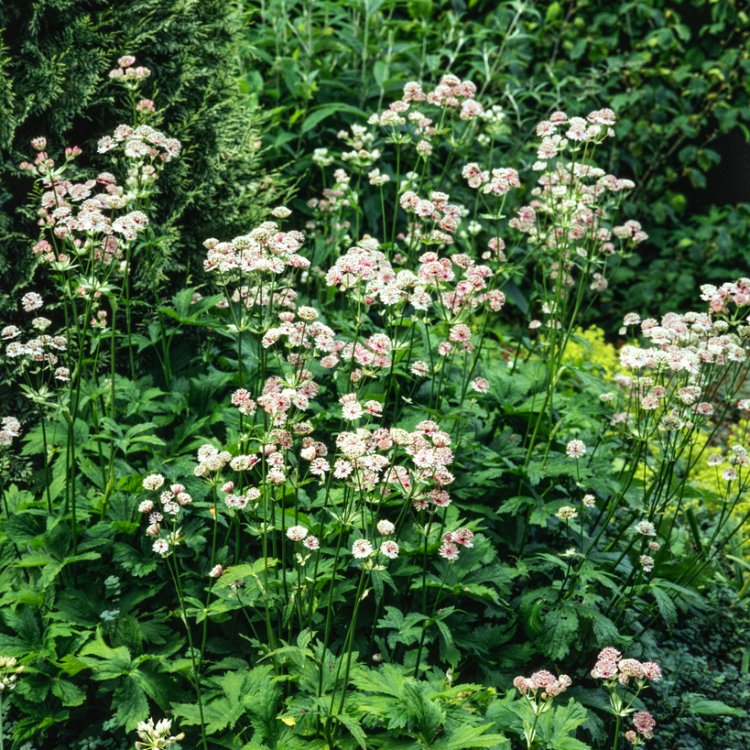
Astrantia major, the charming Masterwort, brings unique star-like flowers to UK gardens from early summer. This captivating perennial attracts pollinators, offers long-lasting blooms in various shades, and creates an elegant, natural look in borders or cottage garden settings.
972 in stock
Astrantia major brings distinctive charm to any garden border, offering unique star-like flowers that attract beneficial wildlife.
Discover the timeless allure of Astrantia major, also known as Masterwort, a truly captivating herbaceous perennial. This plant thrives in UK gardens, adding texture and subtle colour with ease. Its unique floral structure, often likened to a pincushion, makes it a favourite. Gardeners cherish its aesthetic appeal and ecological benefits. It performs well, providing interest from early summer into autumn.
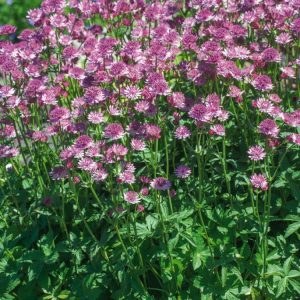
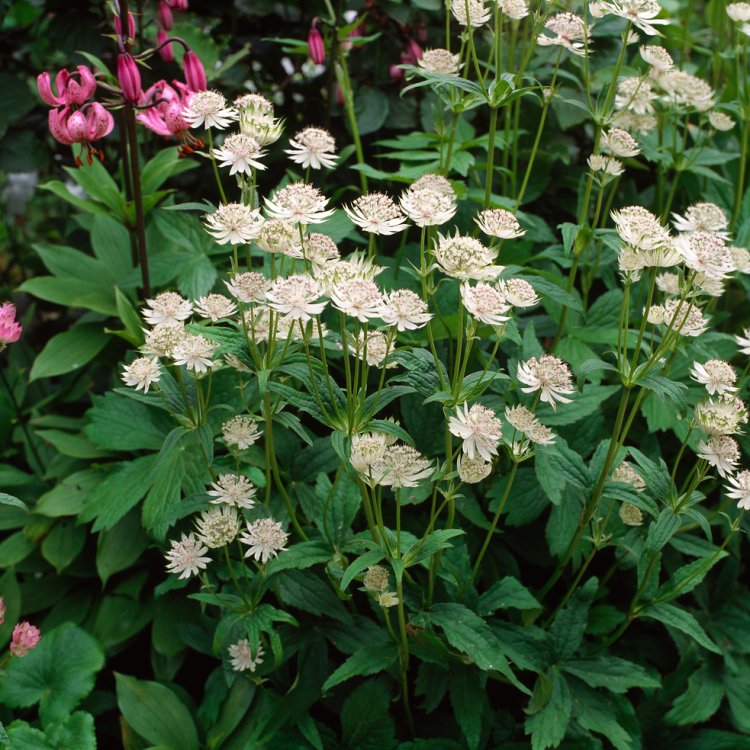
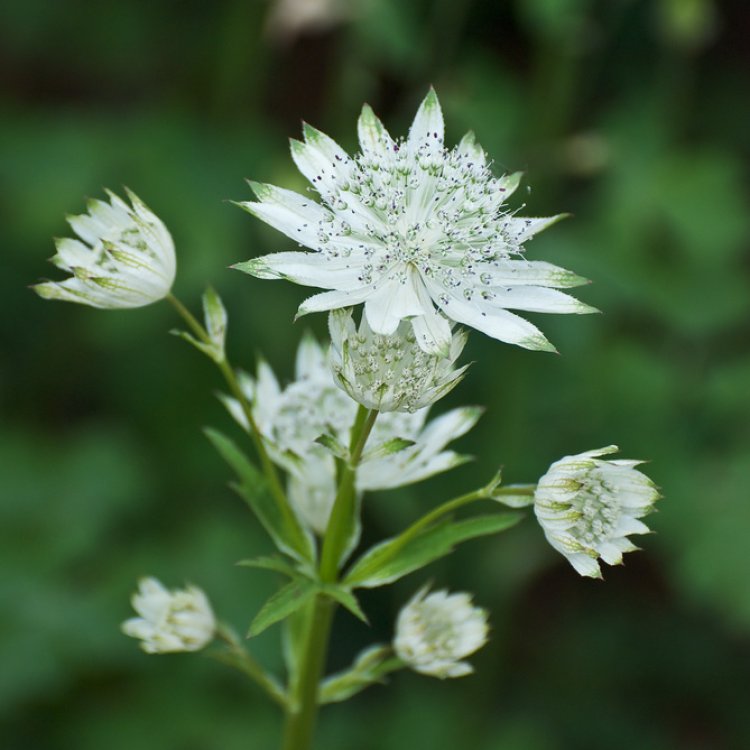
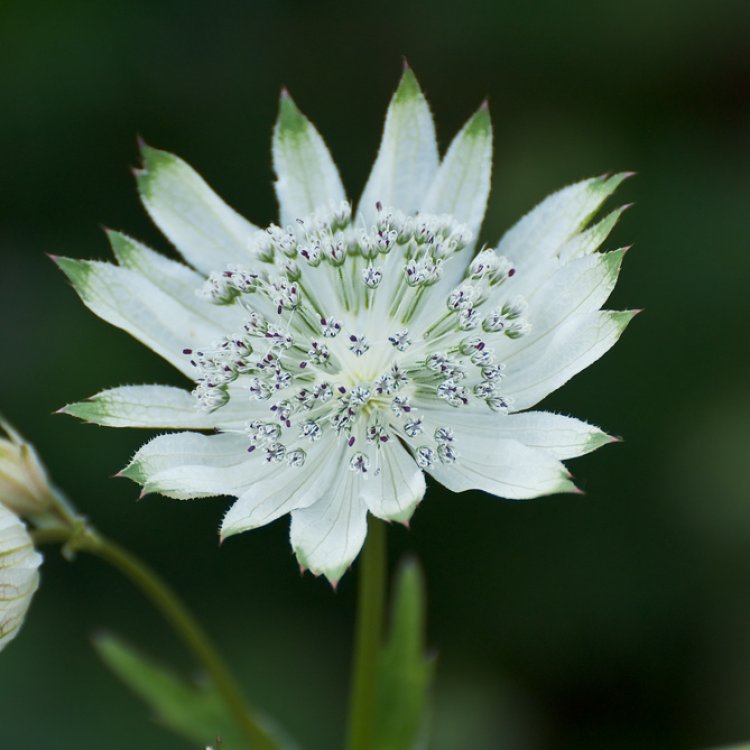
The distinctive floral heads of this plant truly stand out. Each flower forms a compact dome of tiny florets. Papery bracts surround them. These bracts typically match the flower’s hue. Colours range from white and soft pink to rich red. You might also find deep burgundy shades. This elegant perennial brightens borders from June until September. Its beautiful display truly catches the eye.
The name Astrantia comes from the Greek word ‘astron’. This means ‘star’. It clearly refers to its star-shaped bracts. The specific epithet ‘major’ simply denotes its larger size compared to other species. Furthermore, its attractive, palmate leaves form a neat clump. They add lush texture even when flowers are not present. This creates a pleasing green base for the garden.
Gardeners value this plant for its versatility and enduring beauty. It thrives when planted in the middle of a border. It also suits woodland-edge settings. This plant easily creates a natural, relaxed feel. This species acts as a magnet for wildlife. Consequently, it draws in vital pollinators such as bees and butterflies. They visit frequently, attracted by the abundant nectar offered.
To ensure a continuous display of these charming blooms, simply deadhead spent flowers regularly. This encourages the plant to produce new growth and fresh flowers. Alternatively, cut the entire plant back hard after its first main flush. This practice often stimulates a second wave of flowering. It extends its season of interest significantly.
Hardy in the harshest UK conditions and below. Suitable for mountain regions.
Keep soil consistently moist, especially during dry spells, to prevent stress. Apply a balanced, slow-release granular fertiliser or a layer of well-rotted compost around the base in early spring. Deadhead spent flowers regularly to encourage continuous blooming and a tidier appearance. Cut back the entire plant hard after the first main flush of flowers to stimulate a second, later display. Generally robust, but monitor for slugs and snails, especially on new growth in spring. Root rot can occur in poorly drained soil. The plant is herbaceous and will die back to ground level in winter; no specific winter protection is usually needed in most UK regions. Divide congested clumps every three to five years in early spring to maintain vigour and encourage healthy growth.