£4.86 – £5.58Price range: £4.86 through £5.58
Clematis vitalba, known as Traveller’s Joy, is a vigorous UK native climber. It features creamy-white flowers in summer, followed by fluffy seed heads. This hardy, wildlife-friendly plant adds natural beauty and ecological value to any garden space.
113 in stock
Discover Clematis vitalba, a vigorous native climber known as Traveller’s Joy, bringing natural charm and lush greenery to UK gardens.
Clematis vitalba, fondly recognised as ‘Traveller’s Joy’ or ‘Old Man’s Beard’, is a robust deciduous climber. This plant brightens British hedgerows and woodland edges during late summer. Its name ‘vitalba’ comes from the Latin ‘viticella’ (small vine) and ‘alba’ (white), referring to its white blooms. It readily establishes, offering easy-care beauty for many garden settings. Moreover, it provides excellent shelter and food for wildlife.
This plant boasts a rich history in the UK landscape. Indeed, its common name, ‘Traveller’s Joy’, was given because travellers often saw it growing profusely alongside ancient roads. Furthermore, its later name, ‘Old Man’s Beard’, perfectly describes the fluffy, grey seed heads. These appear after flowering, thus giving wonderful winter interest.
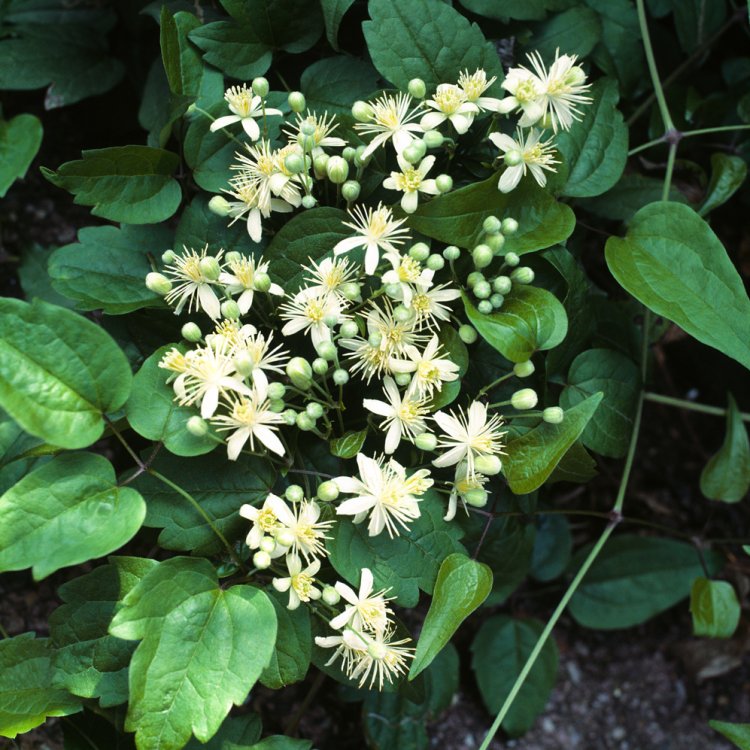
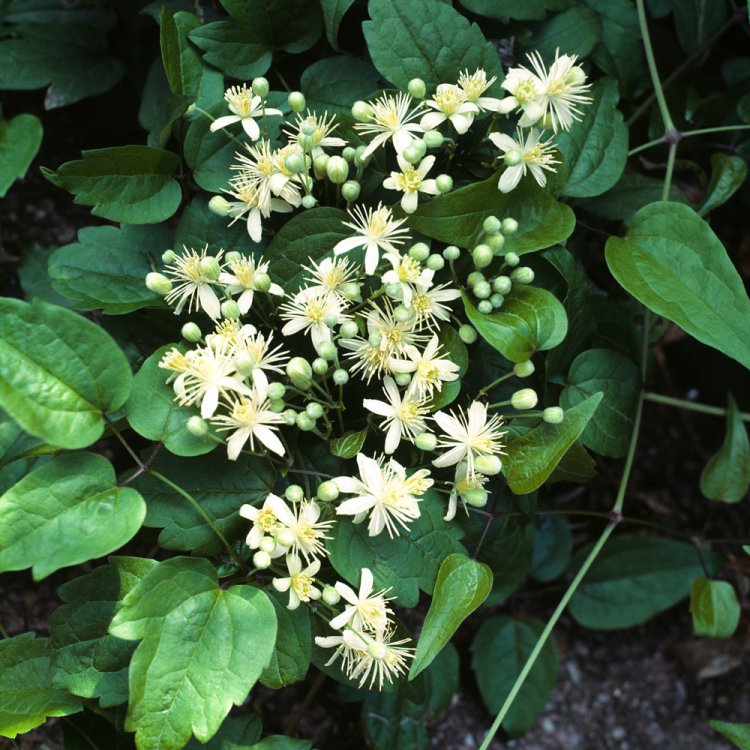
Clematis vitalba showcases bright green, pinnate leaves, which create a dense, verdant cover. Then, from July through to September, small, star-shaped, creamy-white flowers emerge. These blooms arrive in generous clusters, adorning the plant with a delicate, soft display. Importantly, these simple flowers provide a valuable nectar source for bees and other pollinating insects.
As the season progresses, the flowers develop into remarkable, feathery seed heads. These silvery plumes persist throughout autumn and winter, offering a striking visual contrast against bare branches. This also provides shelter for small birds.
This vigorous climber proves extremely versatile in the garden. For example, gardeners often use Clematis vitalba to quickly cover unsightly walls or fences. Also, it excels when allowed to scramble naturally through large, sturdy trees or over robust pergolas.
Its robust nature means it needs minimal attention once established. Pruning is generally straightforward. Simply cut back the plant hard in late winter or early spring. This helps manage its size and encourages fresh, strong growth each year. This hardy plant offers both aesthetic beauty and ecological benefits. Ultimately, it makes a superb choice for a naturalistic or wildlife-friendly garden scheme.
Very hardy. Tolerates temperatures typical of a continental winter.
Clematis vitalba, a vigorous climber, needs minimal care once established. Water regularly during dry spells, especially in its first year. Provide a sturdy support structure like a strong fence, wall, or large tree, as it grows quickly and can become heavy. Fertilise in early spring with a balanced, general-purpose plant food. Prune hard in late winter or early spring (February-March) to control its size and encourage fresh, robust growth from the base. Simply cut back all stems to around 30-60cm above ground level.
This plant is deciduous so it will lose all of its leaves in the autumn and get fresh new foliage each spring.