£4.86 – £5.58Price range: £4.86 through £5.58
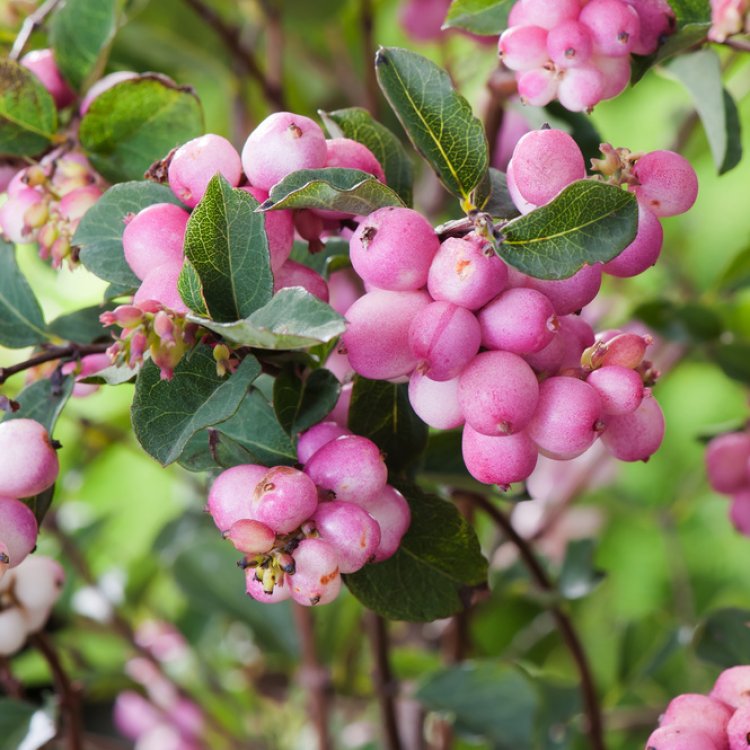
Symphoricarpos Magical Candy, or Snowberry, offers enchanting appeal with its vibrant pink berries from autumn through winter. This hardy, deciduous shrub attracts birds and adds superb seasonal colour to any UK garden.
109 in stock
Discover Symphoricarpos Magical Candy, a delightful deciduous shrub that brings year-round interest and vibrant colour to your UK garden.
Symphoricarpos Magical Candy offers enchanting appeal, especially in autumn and winter. This resilient shrub captivates with its abundant, bright pink berries. Gardeners value its hardiness and adaptability. It creates visual impact when other plants fade. This particular cultivar is a favourite for its striking fruit display, offering a charming touch to any garden space.
The name Symphoricarpos Magical Candy hints at its captivating charm. ‘Symphoricarpos’ comes from Greek words meaning ‘fruit together,’ referring to the clusters of berries. ‘Magical Candy’ perfectly describes its sweet, colourful appearance. This cultivar is part of the Snowberry family, a group known for their distinctive berries. The plant develops into a neat, rounded shrub, reaching a manageable size suitable for many garden settings.
During spring, fresh green leaves emerge, creating a lush backdrop. These simple, oval-shaped leaves maintain a healthy green hue through summer. Small, bell-shaped flowers appear in June and July. They are usually pinkish-white and quite inconspicuous. However, these modest blooms are vital. They attract pollinators like bees, ensuring a rich harvest of berries later in the season. The plant’s true spectacle begins as summer fades into autumn.
As autumn arrives, the plant’s foliage starts to yellow before dropping. Consequently, the vibrant, spherical berries become the main attraction. These bright pink fruits cluster along the stems, creating a stunning visual display. They cling to the branches throughout winter, providing essential colour in the colder months. Birds often enjoy these berries, further enhancing your garden’s wildlife appeal. The persistent fruit offers extended beauty, long after most other plants have finished flowering.
Gardeners use Symphoricarpos Magical Candy in various ways. It makes an excellent informal hedge, offering structure and seasonal interest. Furthermore, it shines when planted in mixed borders, adding a splash of colour. You can also plant this Snowberry in groups for a dramatic mass effect. Its compact nature suits smaller gardens well. Consequently, it works perfectly near patios or as a specimen shrub, drawing the eye with its bright berries.
Symphoricarpos Magical Candy tolerates pruning exceptionally well. Gardeners typically prune it in late winter or early spring. This helps maintain a desirable shape and encourages vigorous new growth. New growth produces the best berry display. The small flowers provide nectar for bees and other insects during summer. Moreover, its berries offer a valuable food source for various bird species throughout the colder seasons, making it a truly wildlife-friendly addition.
Very hardy. Tolerates temperatures typical of a continental winter.
Water well during dry periods, especially when establishing. Prune in late winter or early spring to maintain shape and promote a good display of berries on new wood. Remove any dead or weak stems to encourage vigorous new growth.
This plant is deciduous so it will lose all of its leaves in the autumn and get fresh new foliage each spring.