£7.02 – £7.72Price range: £7.02 through £7.72
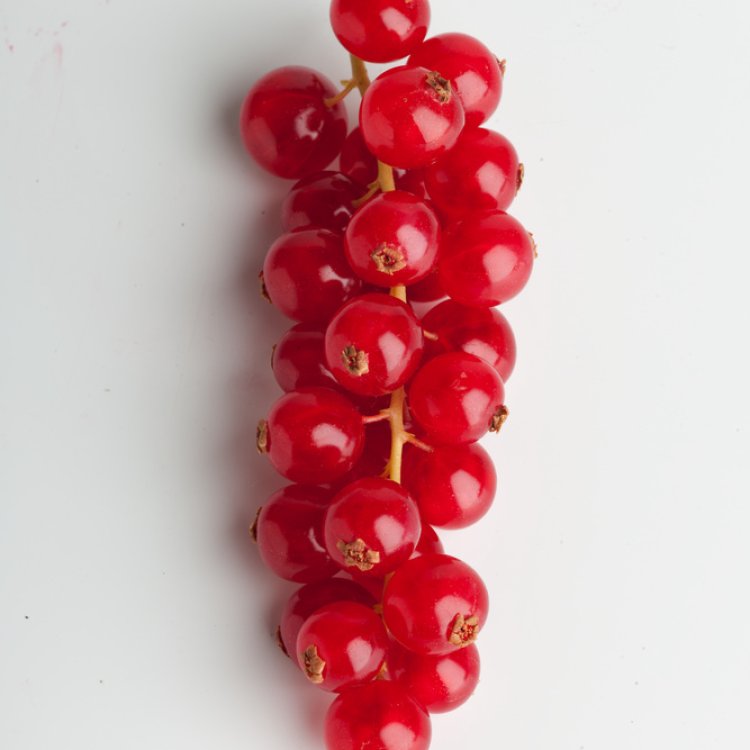
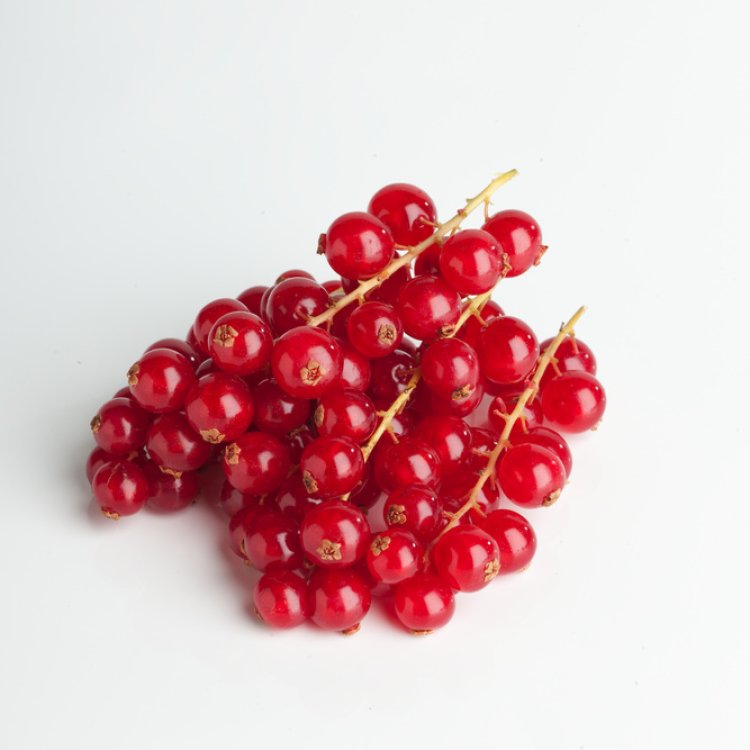
Ribes rubrum, or Redcurrant, is a classic deciduous fruiting shrub for UK gardens. It provides delicious, ruby-red berries in summer and attractive green foliage. This versatile plant is ideal for kitchen gardens, informal hedging, or training against walls, also attracting beneficial pollinators.
965 in stock
Discover the vibrant charm of Ribes rubrum (red), a classic deciduous fruiting shrub that brings both beauty and delicious harvests to your UK garden.
Often known as the Redcurrant, Ribes rubrum is a beloved addition to many British gardens. This robust and easy-to-grow plant offers bountiful clusters of translucent, ruby-red berries each summer. It provides delightful visual appeal and a fantastic source of tangy fruit, perfect for culinary creations.
Gardeners across the UK value its reliability and ornamental qualities. Furthermore, it adapts well to various garden styles.
Ribes rubrum, or Redcurrant, is a familiar sight in British gardens. The name ‘Ribes’ traces its roots to Arabic and Persian terms for tart plants. ‘Rubrum’ is Latin for red, clearly describing its vibrant fruit. This delightful shrub is primarily grown for its abundant crop of small, shiny red berries.
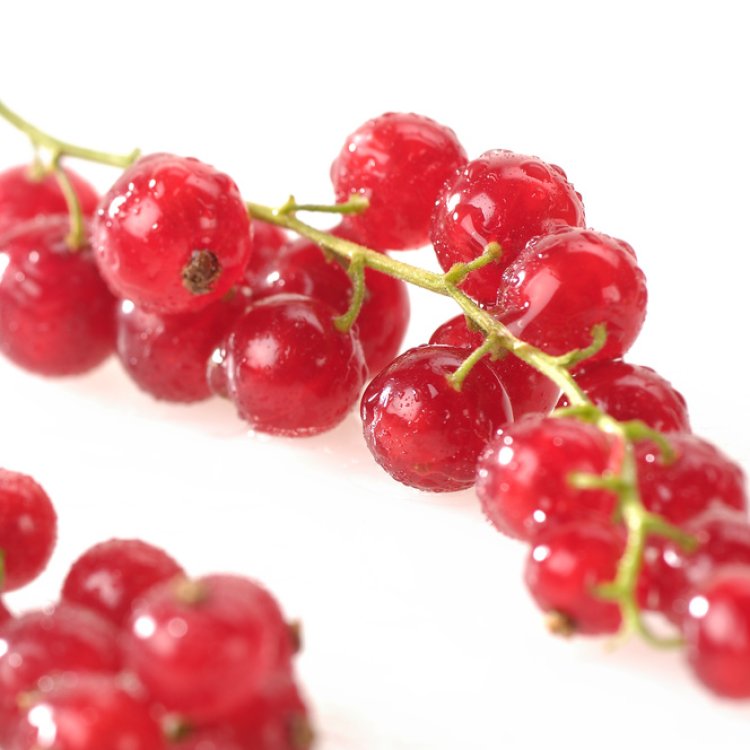
These berries ripen from mid-summer, offering a burst of flavour. They hang in attractive trusses, making them easy to pick.
The foliage of Ribes rubrum consists of bright green, lobed leaves. These leaves create a lush backdrop for the developing fruit. In spring, the plant produces inconspicuous, greenish-yellow flowers. Although small, these blooms are vital as they attract bees and other pollinators. Consequently, they ensure a successful fruit set for the season ahead.
Gardeners appreciate Ribes rubrum for its versatility. You can train it as a bush, a standard, or an espalier against a wall. This makes it suitable for both compact and larger gardens. It works wonderfully in kitchen garden beds. Furthermore, it creates informal hedges, providing both structure and sustenance.
Regular annual pruning is important. This practice encourages strong growth and maximises fruit production. Pruning usually happens in late winter or early spring. This keeps the plant healthy and productive for many years.
Additionally, the plant supports local wildlife. Its flowers provide nectar for bees. Later, the ripe berries can offer a food source for birds, adding to your garden’s biodiversity. Therefore, cultivating Ribes rubrum enriches your outdoor space.
Very hardy. Tolerates temperatures typical of a continental winter.
Plant in moist, well-drained soil. Water regularly during dry periods, especially when fruit is developing. Apply a balanced fertiliser in early spring and a mulch of organic matter around the base to retain moisture and suppress weeds. Prune annually in winter or early spring to encourage good air circulation and maximise fruit production on new wood, removing old, unproductive stems.
This plant is deciduous so it will lose all of its leaves in the autumn and get fresh new foliage each spring.