£8.32 – £8.55Price range: £8.32 through £8.55
Discover Rosa Dagmar Hastrup, a robust rugosa rose boasting fragrant, clear pink flowers from summer to autumn. Enjoy its vibrant red hips, autumn foliage, and wildlife benefits, making it an easy-care favourite for UK gardens.
19 in stock
Discover Rosa Dagmar Hastrup, a truly magnificent rugosa rose, celebrated for its robust nature and continuous display of beautiful, fragrant blooms across the UK.
Rosa Dagmar Hastrup is a cherished shrub rose, known for its exceptional hardiness and charm in British gardens. This resilient cultivar offers a delightful sequence of interest, from its vibrant flowers to its striking autumn hips. Originating as a Rugosa hybrid, it embodies a tough constitution, thriving in various conditions where other roses might struggle. Furthermore, its easy-care nature makes it an excellent choice for both novice and experienced gardeners seeking reliable performance and enduring beauty.
Rosa Dagmar Hastrup, also commonly known as the Dagmar Hastrup Rose, boasts a fascinating history. This resilient shrub rose is a celebrated hybrid of the tough Rosa rugosa species. It was named after Dagmar Hastrup, a Danish nursery owner. The plant consistently performs well in UK gardens. Moreover, its vigour and adaptability are truly remarkable. Consequently, it has earned its place as a firm favourite among gardeners.
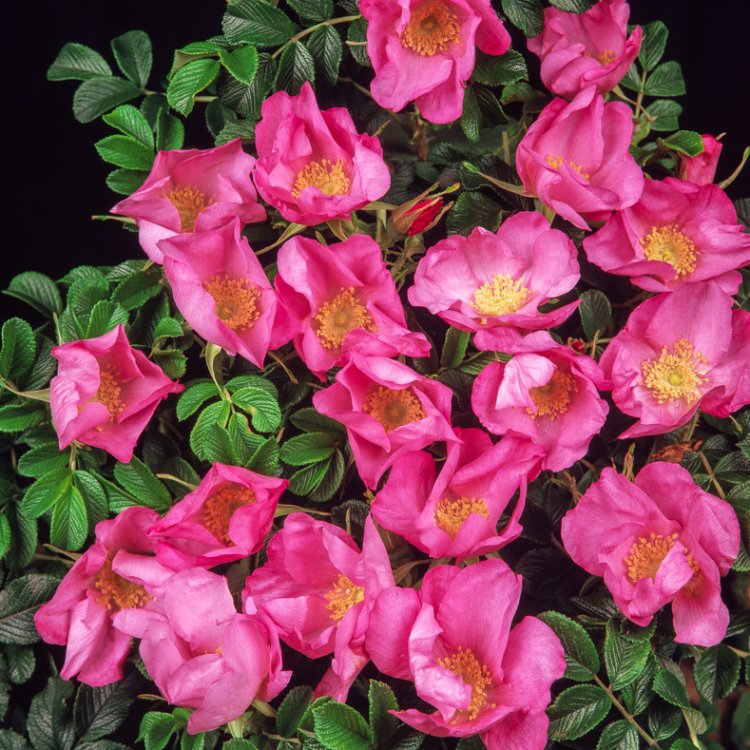
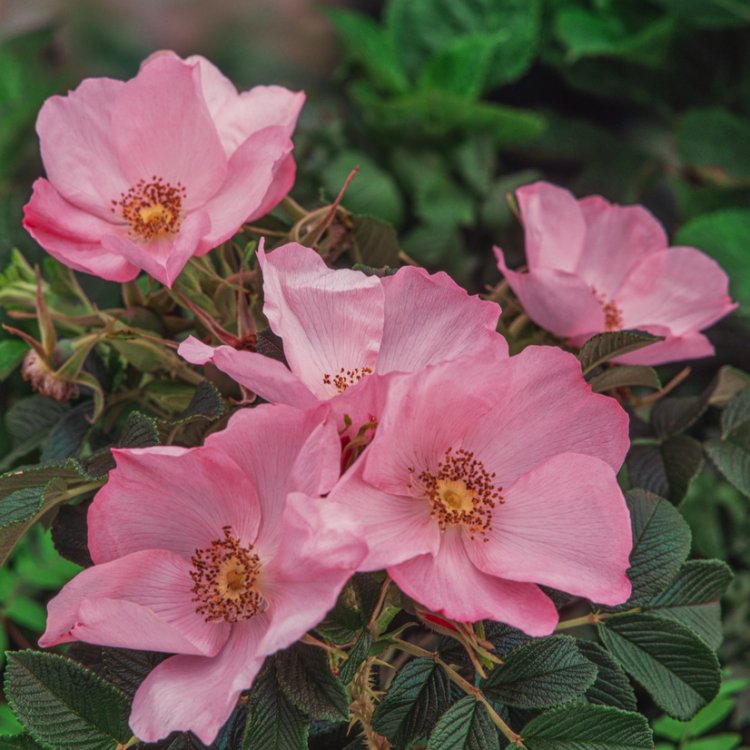
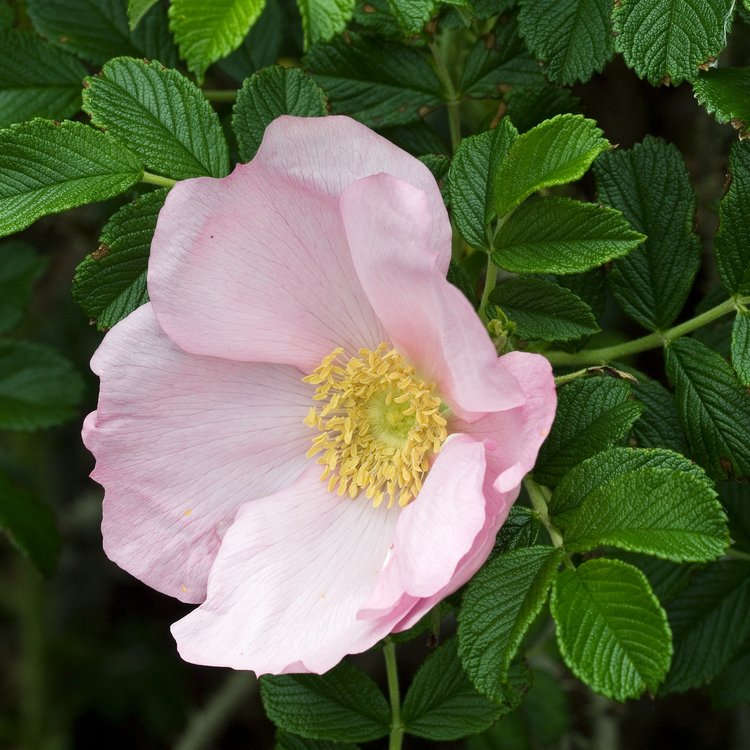
Throughout the summer months, Rosa Dagmar Hastrup bursts into life. It produces an abundance of exquisite, single, clear pink flowers. These blooms feature a central boss of bright yellow stamens. Furthermore, they emit a delightful, sweet fragrance. The flowers are followed by equally attractive, large, round, tomato-red hips in autumn. These provide a splash of colour. They also offer valuable food for birds as winter approaches. Its deeply veined, dark green foliage creates a lush backdrop. This foliage reliably turns to lovely shades of yellow and orange in the autumn. Therefore, it extends the plant’s ornamental appeal.
The Dagmar Hastrup Rose is incredibly versatile. It works wonderfully when used in mixed borders. It can also form an attractive, informal hedge. Its tolerance to salt spray makes it perfect for coastal gardens. Additionally, it makes an excellent specimen plant. This rose is also a fantastic asset for wildlife. The fragrant flowers draw in bees and other pollinators. Later, the bright hips become a crucial food source for wild birds. This makes it an essential plant for any wildlife-friendly garden.
Maintaining Rosa Dagmar Hastrup is generally straightforward. Regular pruning is not always essential for its health. You can prune it in late winter or early spring. This removes any dead or weak stems. Light shaping will also maintain its desired form. If you wish to encourage more blooms, deadhead spent flowers. Yet, if you prefer the decorative hips, simply leave the faded blossoms in place. This flexible approach suits various gardening styles. The plant remains beautiful with minimal effort.
Hardy in the harshest UK conditions and below. Suitable for mountain regions.
Rosa Dagmar Hastrup is a low-maintenance rose. Water regularly during dry spells and in its first year to help establishment. Apply a balanced rose fertiliser in early spring as new growth emerges. Prune in late winter or early spring to remove any dead, diseased, or weak stems, and to maintain shape. You can deadhead spent flowers to encourage further blooming, or leave them to develop into attractive hips for autumn and winter interest, which also provides food for birds. This cultivar shows good resistance to common rose diseases.
This plant is deciduous so it will lose all of its leaves in the autumn and get fresh new foliage each spring.