£3.58 – £5.00Price range: £3.58 through £5.00
Miscanthus sinensis ‘Malepartus’ is a stunning ornamental grass with graceful arching foliage that turns copper-orange in autumn. It produces elegant, feathery, silvery-pink plumes from late summer, adding architectural interest and winter appeal to UK gardens.
90 in stock
Miscanthus sinensis ‘Malepartus’ brings exceptional architectural structure and vibrant autumnal colour to any UK garden.
This distinguished ornamental grass, also known as Chinese Silver Grass or Eulalia Grass, truly shines as a garden star. It captivates onlookers with its graceful, arching foliage and striking late-season plumes. A versatile choice, it offers year-round visual appeal, from its summer green leaves to its coppery autumn display and feathery winter seedheads. This plant effortlessly provides movement and texture, enhancing both modern and traditional garden schemes alike.
Key Features of Miscanthus sinensis ‘Malepartus’:
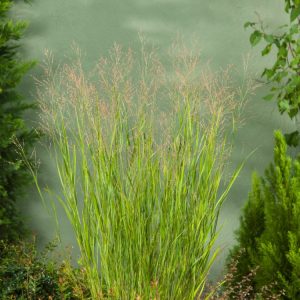
Miscanthus sinensis ‘Malepartus’ stands tall, a true highlight in any garden border. Its vibrant green leaves feature a distinct white midrib, adding detail to its upright, arching form. As summer ends and autumn arrives, these leaves undergo a breathtaking transformation. They shift through rich copper, fiery orange, and deep red tones, creating a warm and inviting display. This dramatic colour change truly marks the arrival of the colder seasons.
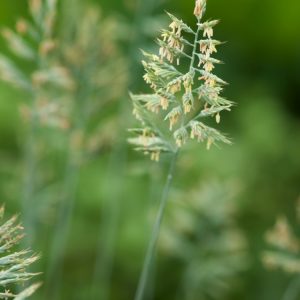
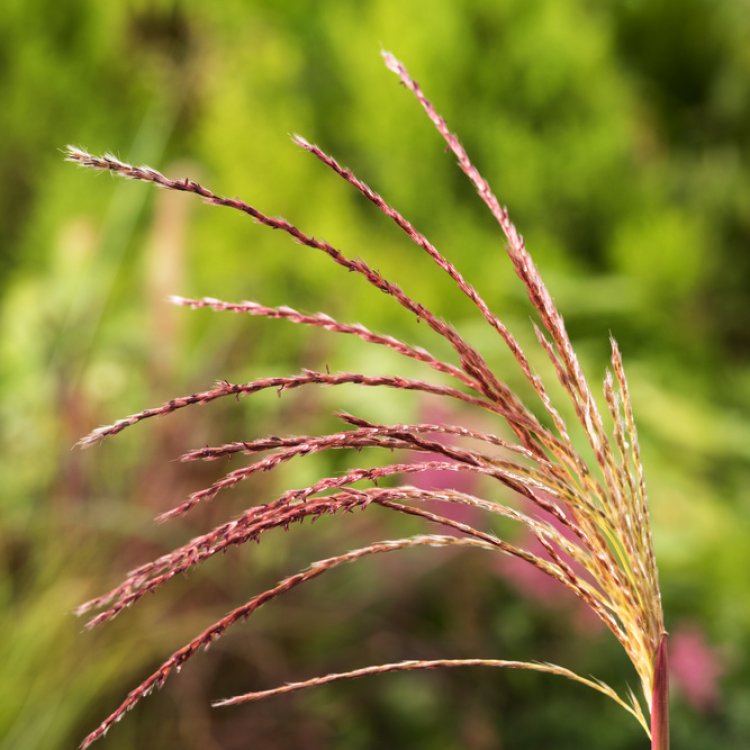
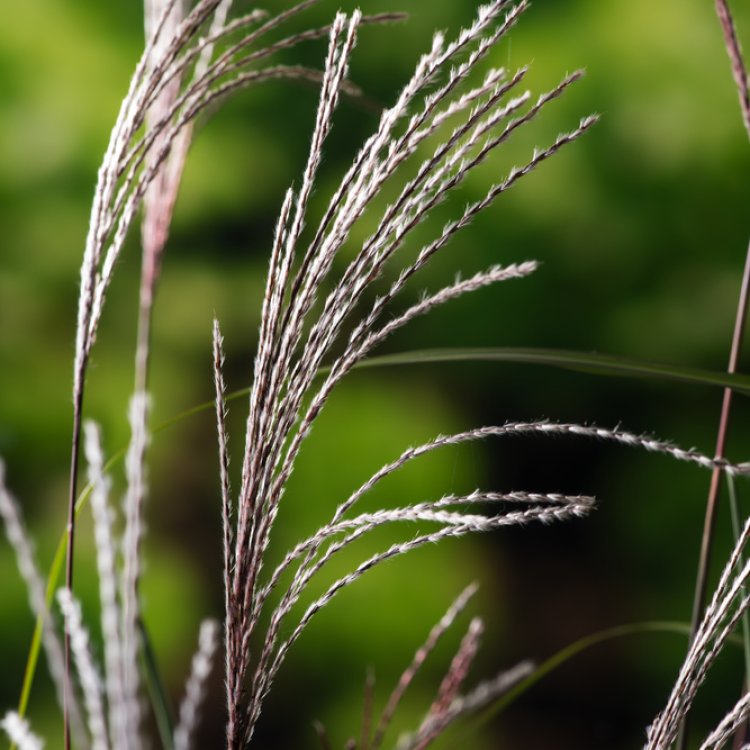
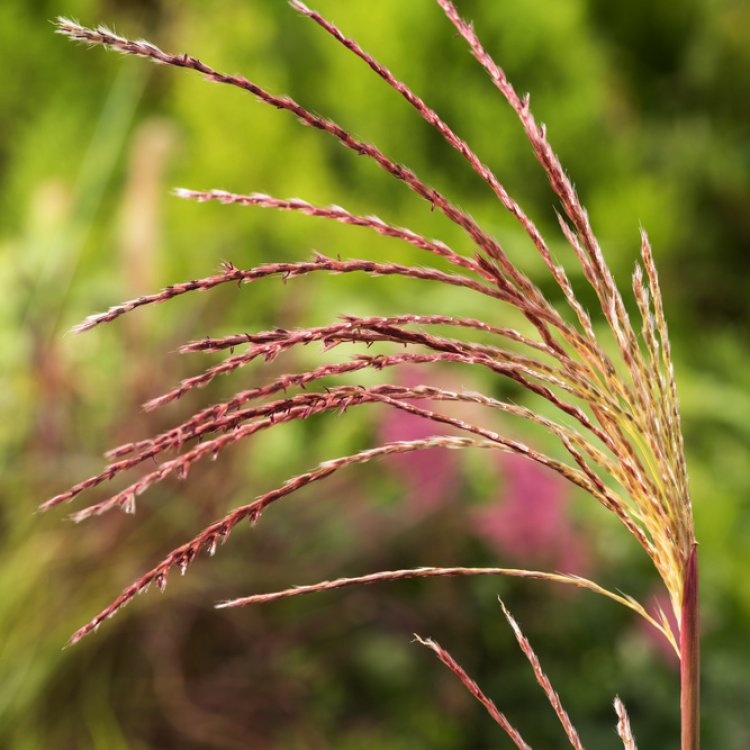
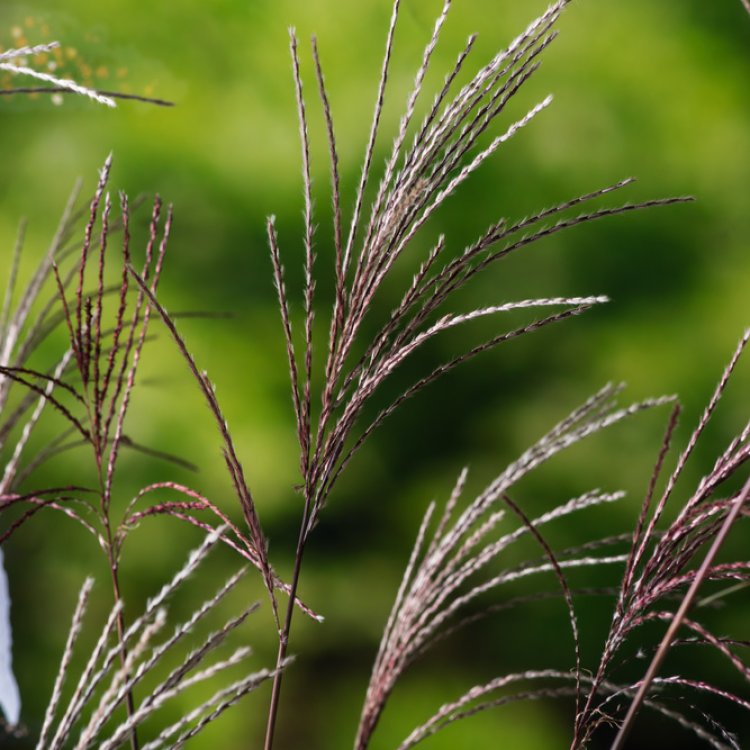
Beyond its striking foliage, Miscanthus sinensis ‘Malepartus’ produces magnificent flower plumes. These appear from late August, rising high above the leaves on strong stems. Each plume boasts a delicate, feathery texture and a beautiful silvery-pink hue. They catch the light wonderfully, shimmering in the breeze. These plumes persist well into winter, lending an ethereal quality to the dormant garden landscape. They also offer valuable nesting material and seeds for local bird species.
The name ‘Miscanthus’ comes from Greek words meaning “stalk” and “flower,” perfectly describing its tall, flowering structure. The specific epithet ‘sinensis’ tells us the plant originates from China. The cultivar name ‘Malepartus’ suggests a strong, established presence, much like a grand estate. This resilient grass thrives in full sun or partial sun, making it adaptable for various garden aspects. It prefers well-drained soil but copes well in many different conditions.
Gardeners often use this beautiful Miscanthus in mixed borders, creating a strong vertical element. It also works superbly as a stand-alone specimen plant, drawing the eye with its impressive size and movement. You can even plant several together to form an effective, airy screen. Its robust nature means it provides excellent year-round interest. Simply cut back the old foliage in late winter or early spring, before new growth begins, to maintain its tidy appearance.
Very hardy. Tolerates temperatures typical of a continental winter.
Miscanthus sinensis 'Malepartus' requires minimal care once established. Ensure regular watering during dry spells, particularly in its first year. Apply a balanced, general fertiliser in early spring to encourage vigorous growth, though this is not strictly necessary. The most important task is to cut back all old, faded foliage hard to just above ground level in late winter or early spring (around February/March in the UK) before new shoots emerge. This maintains a tidy appearance and promotes fresh growth. This grass is generally pest and disease free. Divide mature, congested clumps every few years in spring to rejuvenate the plant and maintain its vigour.