£10.35 – £10.58Price range: £10.35 through £10.58
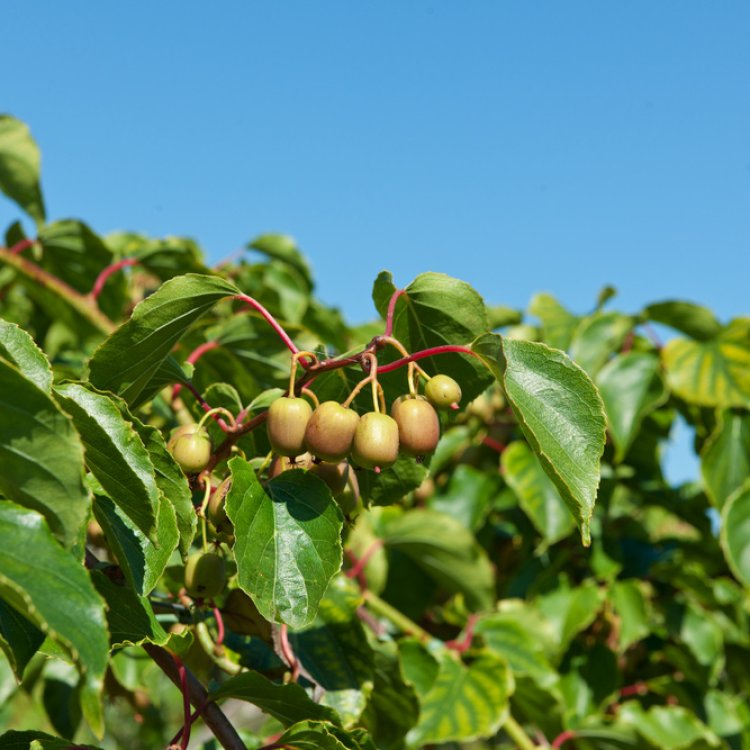
Actinidia arguta, the hardy kiwi or kiwi berry, is a vigorous, deciduous climbing vine. It offers delicious, smooth-skinned fruit and attractive foliage. Perfect for UK gardens, it thrives on support and attracts pollinators.
24 in stock
Discover Actinidia arguta, commonly known as the hardy kiwi or kiwi berry, a vigorous climber bringing delightful, bite-sized fruit to your garden.
Actinidia arguta, also recognised as the hardy kiwi or kiwi berry, is a fascinating deciduous vine. It produces an abundance of small, smooth-skinned fruits. These taste similar to a traditional kiwi, yet they lack the usual fuzz. Originating from East Asia, this resilient plant thrives in UK gardens, offering both ornamental appeal and delicious produce.
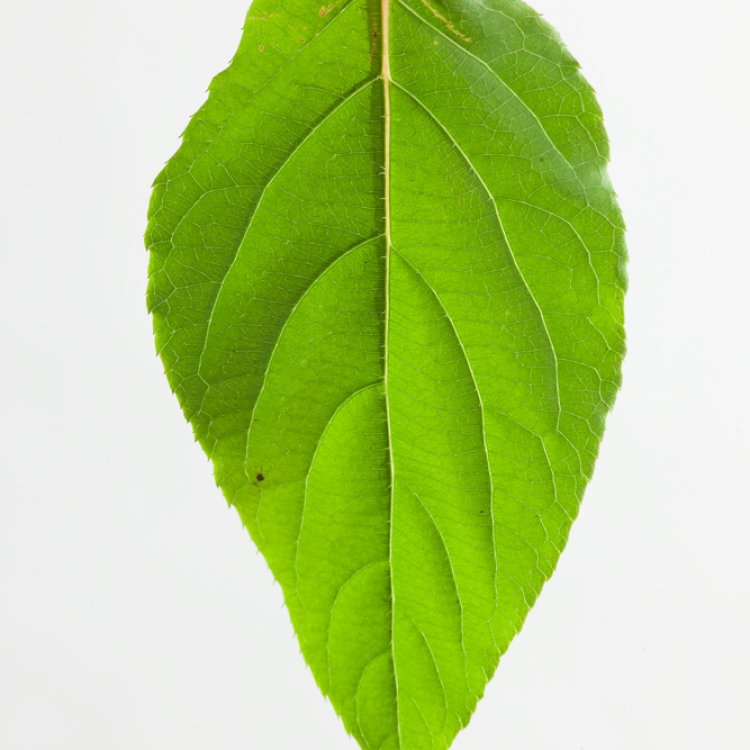
The botanical name, Actinidia arguta, offers valuable insights. For instance, Actinidia derives from the Greek ‘aktis’, meaning ray. This describes the radiating styles of female flowers. Furthermore, ‘arguta’ is Latin for sharply toothed, referencing its distinct leaf margins. This resilient plant originates from colder East Asian regions, including China, Korea, and Japan. Consequently, its hardiness makes it ideal for temperate climates like the UK.
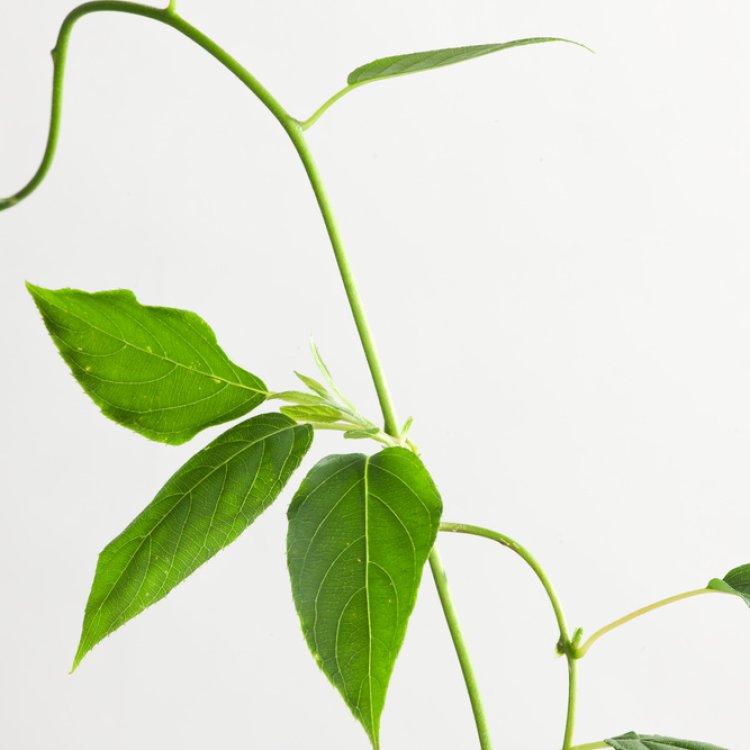
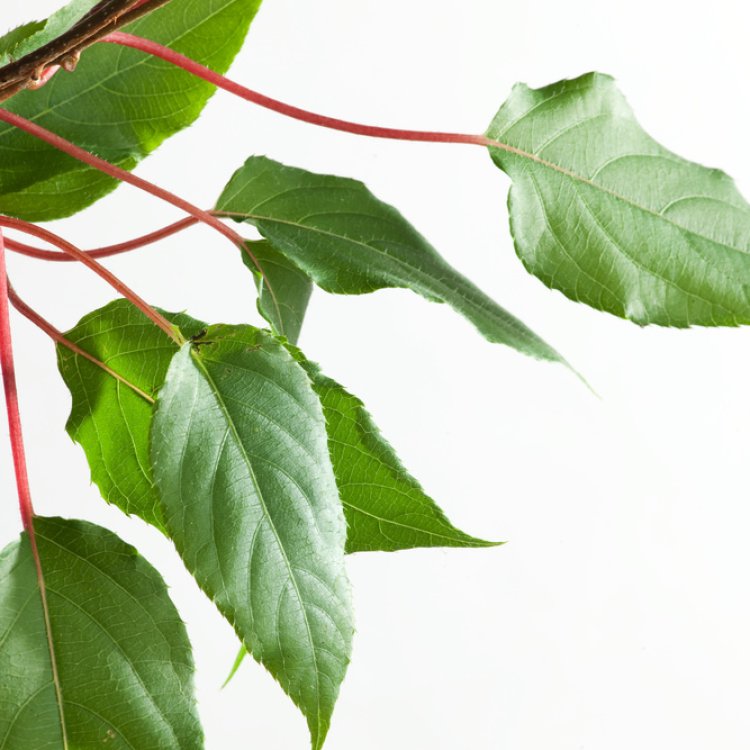
In late spring to early summer, Actinidia arguta produces small, fragrant, creamy-white flowers. These delicate blooms appear in charming clusters. They provide a subtle display before fruiting begins. Its heart-shaped, vibrant green leaves create a dense canopy, offering both visual interest and welcome shade. As a deciduous plant, its foliage turns a subtle yellow in autumn. Then, it falls, marking its winter dormancy.
This hardy kiwi is highly versatile for many garden settings. For example, its vigorous climbing habit makes it ideal for training over pergolas, along sturdy fences, or against a robust wall. Gardeners cultivate it for its delicious, nutrient-rich fruit. They also value its lush, ornamental foliage. Moreover, it can create natural privacy screens or add impressive vertical interest to a mixed border.
The small, white flowers of Actinidia arguta are a magnet for various garden pollinators, especially bees. These industrious insects play a crucial role in pollen transfer. This is essential for successful fruit development. By planting this vine, you directly support local ecosystems. You also enhance your garden’s biodiversity, creating a vibrant, living environment.
Due to its vigorous growth, Actinidia arguta benefits significantly from regular pruning. Gardeners typically prune in winter. This establishes a strong, productive framework and manages its overall size. It also encourages stronger new growth in spring. Additionally, summer pruning improves light penetration and air circulation around developing fruits. This leads to a more abundant, higher-quality harvest. Shaping this plant ensures an organised and productive display.
Hardy in all of the UK and northern Europe. Suitable for exposed sites.
Plant Actinidia arguta in a sheltered spot with full sun for best fruiting, ensuring good air circulation. Provide a sturdy support structure like a pergola, trellis, or strong wires as it is a vigorous climber. Maintain consistently moist, well-drained soil, especially during dry periods and fruit development; however, avoid waterlogging. Feed annually in spring with a balanced general-purpose fertiliser. Prune in winter to remove dead or weak wood, and to establish a strong framework. Also, prune in summer to thin out excess growth and improve light exposure to the developing fruits, which encourages a better harvest. Protect young plants from late spring frosts if severe, as this can damage new growth.
This plant is deciduous so it will lose all of its leaves in the autumn and get fresh new foliage each spring.