

£4.18 – £4.90Price range: £4.18 through £4.90
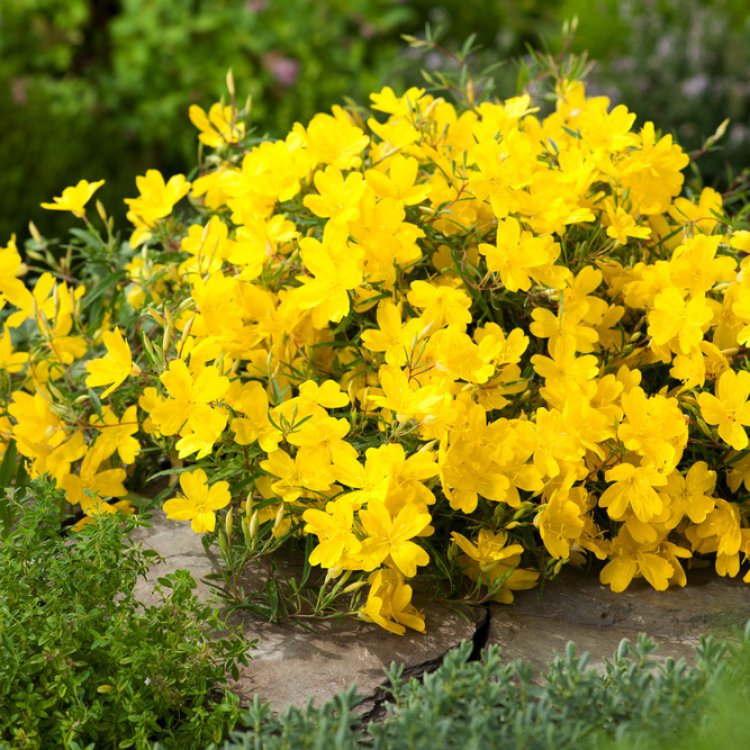
Oenothera ‘African Sun’ is a dazzling Evening Primrose, famous for its bright yellow, cup-shaped flowers that illuminate UK gardens from early summer into autumn. This vigorous perennial is perfect for adding long-lasting, sunny colour to borders and attracts beneficial pollinators.
189 in stock
Oenothera ‘African Sun’ illuminates UK gardens with its vibrant, sun-kissed yellow blooms, bringing cheerful colour from summer into autumn.
This striking herbaceous perennial, commonly known as Evening Primrose, introduces a radiant glow to your borders. Oenothera ‘African Sun’ is celebrated for its exceptionally bright, cup-shaped flowers. These unfurl generously, creating a continuous display of golden yellow. Gardeners appreciate its robust nature and the long-lasting visual impact it provides throughout the warmer months.
Oenothera ‘African Sun’ makes a truly delightful addition to any UK garden. This specific cultivar stands out due to its intensely cheerful, bright yellow flowers. These blossoms emerge from early summer and continue to brighten the landscape right through to the first frosts of autumn. The genus Oenothera is widely recognised as Evening Primrose.
This name is often associated with flowers that open only in the evening. However, Oenothera ‘African Sun’ is a day-flowering variety. Therefore, its glorious colour is visible when you can best enjoy it. The plant typically forms a neat, bushy mound of green foliage, providing an attractive backdrop for its profusion of blooms.
Each flower is a vivid golden-yellow, resembling miniature suns. Hence, its evocative name captures its dazzling colour, reminiscent of a warm, bright African day. Although many Oenothera species originate from the Americas, this cultivar’s name primarily celebrates its sunny appearance.
Cultivating Oenothera ‘African Sun’ brings versatility to your garden design. It performs admirably at the front or middle of sunny borders. Here, its cheerful disposition can be fully appreciated. Furthermore, it excels in rock gardens, adding a splash of enduring colour amongst stones and other drought-tolerant plants. Many gardeners also find it perfect for containers, brightening patios and balconies.
This Evening Primrose is a magnet for local wildlife. Its open, nectar-rich flowers readily attract a variety of pollinators. Bees diligently visit the blooms during the day, while butterflies also stop by, drawn to the cheerful yellow petals.
Although pruning is not strictly essential, deadheading spent flowers often encourages a continuous flush of new blooms. This action extends the season of interest. At the end of the season, simply cut back the faded stems to ground level in early spring. This simple task prepares the plant for robust new growth.
Hardy in all of the UK and northern Europe. Suitable for exposed sites.
Watering: Water newly planted Oenothera 'African Sun' regularly until it establishes well. Once mature, this plant is quite drought-tolerant. However, it will benefit from occasional watering during prolonged dry spells, particularly when grown in containers.
Feeding: This plant generally does not require heavy feeding. An annual application of a balanced slow-release fertiliser in spring can promote vigorous growth and an abundance of flowers throughout the season.
Deadheading: To encourage a continuous display of blooms and to prevent excessive self-seeding, deadhead spent flowers regularly throughout the summer and early autumn. This simple task will prolong the flowering period.
Pruning: After the main flush of flowers has faded, you can cut back the entire plant by approximately a third. This often encourages a second, slightly smaller bloom later in the season. In late autumn or early spring, cut back all old, faded foliage to ground level to make way for robust new growth.
Winter Protection: Oenothera 'African Sun' is generally hardy throughout most of the UK. Nevertheless, in very cold areas or during exceptionally harsh winters, applying a light mulch around the base of the plant can offer additional protection.