£8.33 – £9.04Price range: £8.33 through £9.04
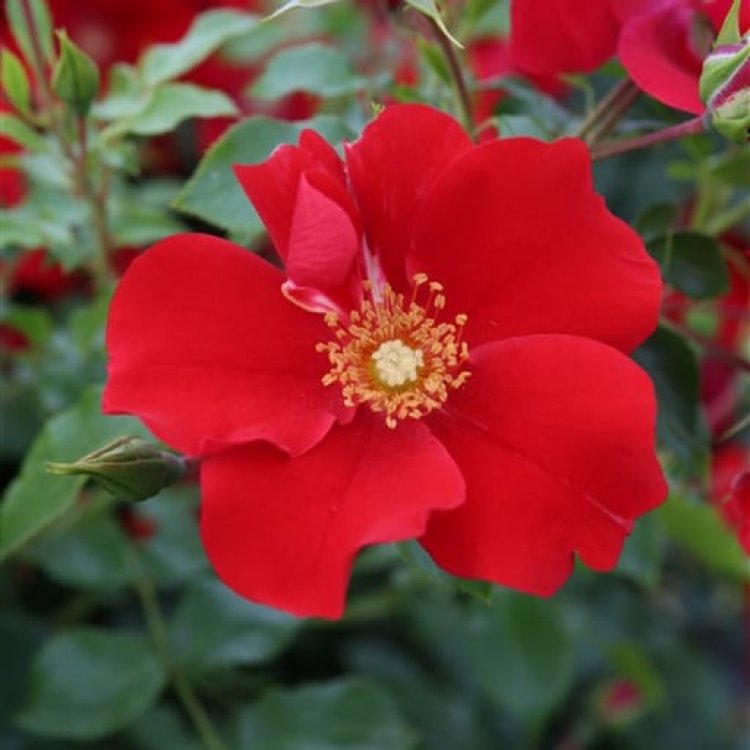
Rosa (H) ‘Alexander von Humboldt’ is a distinguished rose featuring intensely fragrant, vibrant reddish-pink double blooms from early summer to autumn. Its glossy foliage and upright growth make it a captivating and versatile choice for any UK garden, attracting essential pollinators like bees.
1400 in stock
Rosa (H) ‘Alexander von Humboldt’ offers a captivating display of intensely fragrant, vibrant blooms, bringing classic elegance and a rich scent to your garden throughout the summer.
Discover the majestic beauty of Rosa (H) ‘Alexander von Humboldt’, a distinguished rose. It is known for its striking appearance and exquisite fragrance. This superb variety establishes itself quickly, delivering a continuous show of large, double flowers. Its robust nature and strong visual appeal make it a cherished addition. It draws the eye with its vivid colour and pleasing form. Gardeners appreciate its reliability and the enduring charm it brings to the landscape.
Rosa (H) ‘Alexander von Humboldt’ stands as a testament to modern rose breeding. It offers both beauty and resilience. This splendid rose boasts large, fully double blooms. They are often described as a vibrant reddish-pink or rich fuchsia. Each petal unfurls gracefully, revealing a complex structure and an intense, classic rose fragrance. The flowers emerge in flushes. They provide a continuous spectacle of colour and scent from early summer well into autumn. Therefore, it ensures a prolonged period of garden enjoyment.
Complementing its show-stopping flowers, this cultivar features handsome, glossy dark green foliage. Its leaves are generally robust and display good resistance to common rose diseases. This helps maintain a healthy and attractive appearance throughout the growing season. The plant develops into an upright, bushy shrub, reaching a manageable height. Consequently, it fits well into mixed borders or as a standalone feature. Gardeners often appreciate its neat growth habit.
This remarkable rose honours Alexander von Humboldt (1769–1859), a pioneering Prussian naturalist and explorer. His extensive expeditions and scientific contributions significantly shaped our understanding of the natural world. Naming this rose after such an influential figure reflects its distinguished qualities and enduring appeal. Just as Humboldt explored new frontiers, this rose brings a fresh, vibrant presence to any garden setting.
Rosa (H) ‘Alexander von Humboldt’ is incredibly versatile in the garden. You can plant it to create stunning mixed borders. This adds vertical interest and a burst of colour. Furthermore, its elegant form and delightful scent make it an excellent specimen plant. Place it in a prominent position for best effect. Many gardeners also use this rose in informal hedging or in large containers on patios. Its open flowers are particularly attractive to pollinators, including bees and butterflies. This helps support local ecosystems. Subsequently, it becomes a valuable asset for wildlife-friendly gardens.
To ensure optimal flowering and maintain its desirable shape, regular pruning is beneficial for Rosa (H) ‘Alexander von Humboldt’. A hard prune in late winter or early spring helps rejuvenate the plant and encourages vigorous new growth. Throughout the summer, deadheading spent blooms promotes further flowering, extending its vibrant display. This simple routine keeps the rose healthy and productive for many seasons to come.
Very hardy. Tolerates temperatures typical of a continental winter.
Roses require a sunny spot with fertile, well-drained soil. Water deeply, especially during dry spells, focusing on the base of the plant to avoid wetting foliage. Feed with a balanced rose fertiliser in spring and again in mid-summer to promote strong growth and abundant flowering. Deadhead spent blooms regularly to encourage new flowers and maintain a tidy appearance. In late winter or early spring, prune back hard, removing dead, diseased, or crossing stems, and shaping the plant. This rejuvenates the rose and ensures robust flowering in the coming season. Protect from severe frosts in colder regions by mulching the base.
This plant is deciduous so it will lose all of its leaves in the autumn and get fresh new foliage each spring.