£8.33 – £9.04Price range: £8.33 through £9.04
Rosa (H) ‘Ballerina’ is a delightful Hybrid Musk rose, known for its abundant clusters of delicate pink and white single flowers. Blooming from summer into autumn, this vigorous shrub attracts pollinators and is perfect for borders or hedges in UK gardens.
1388 in stock
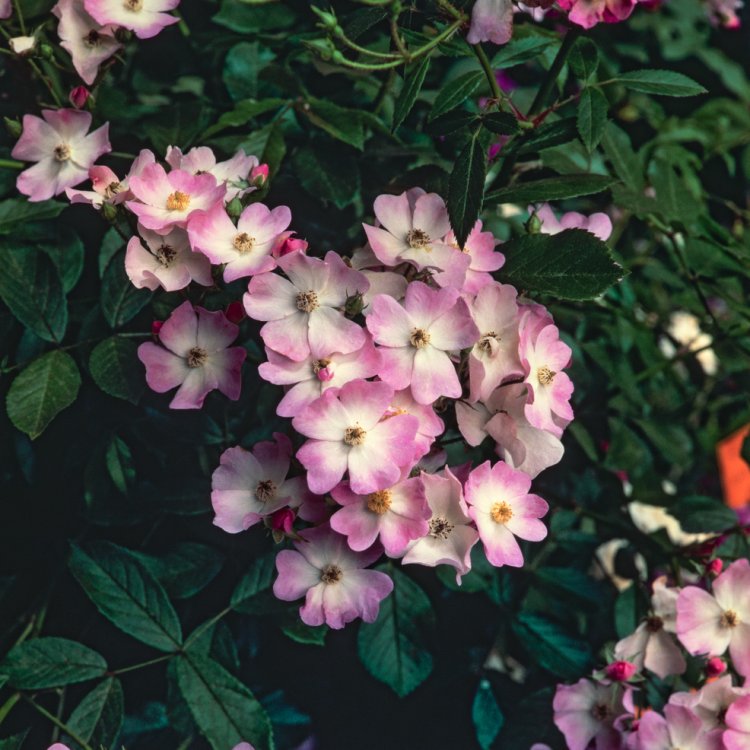
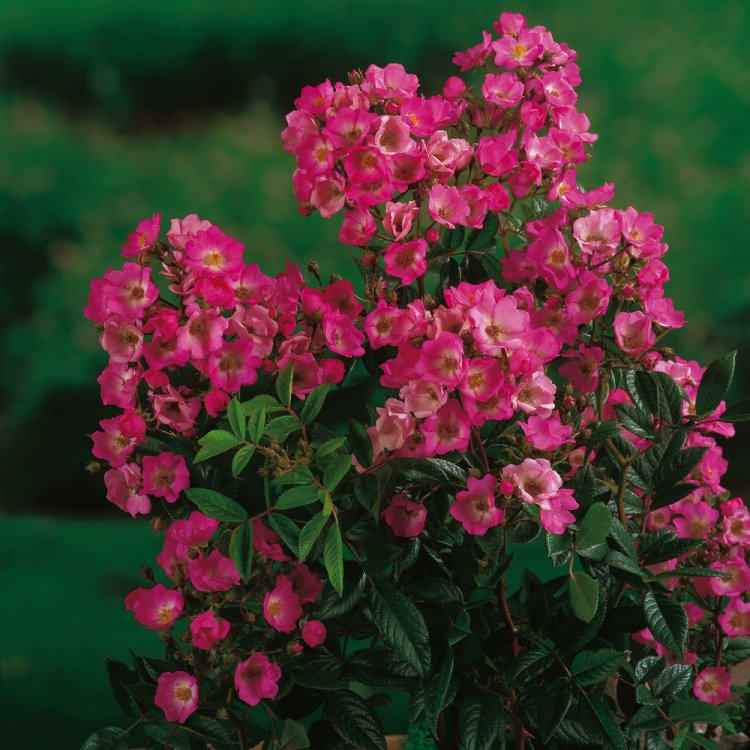
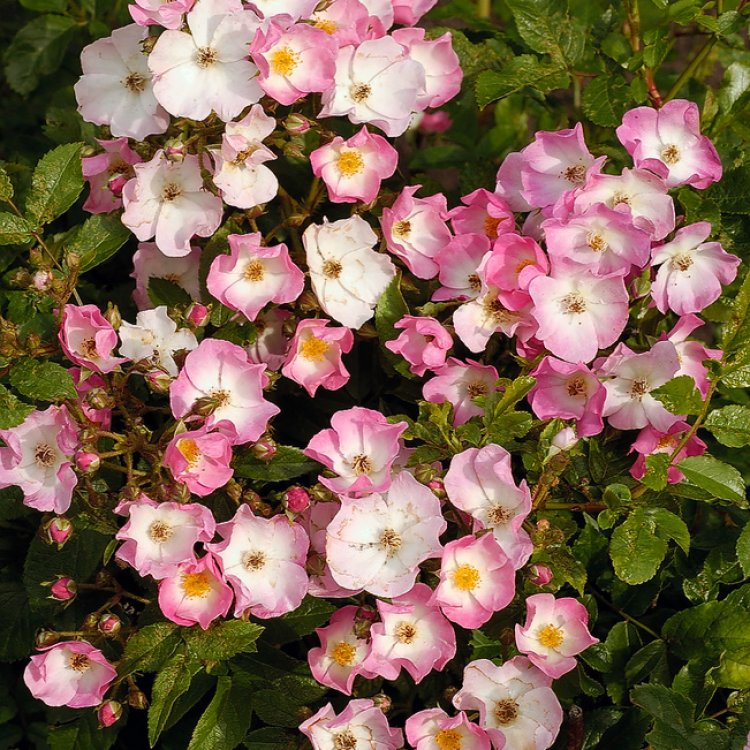
Rosa (H) ‘Ballerina’ is an enchanting Hybrid Musk rose, celebrated for its abundant clusters of delicate, single, pink flowers with crisp white centres, bringing elegance to any garden.
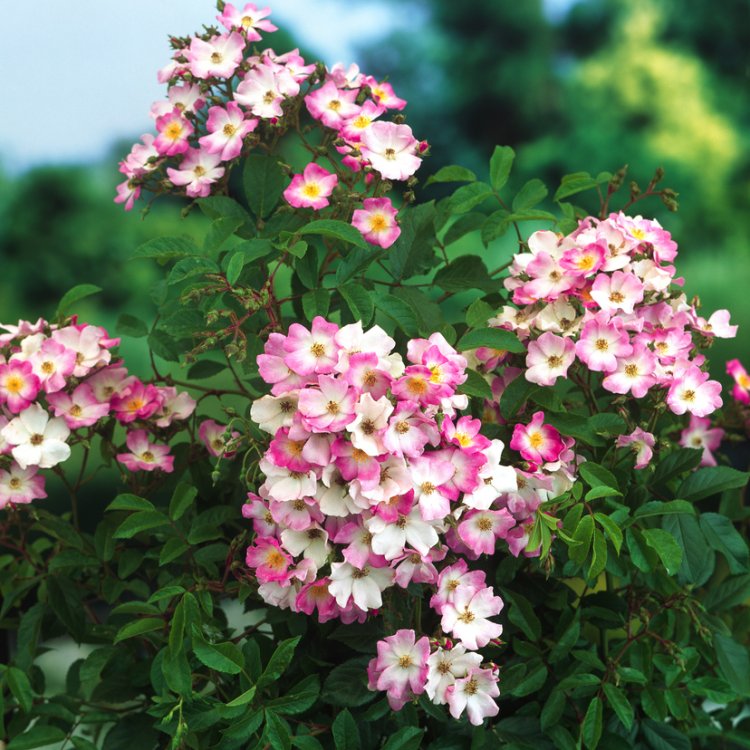
This vigorous shrub rose offers a spectacular display from summer through to autumn, making it a garden favourite across the UK. Its charming blooms, often described as apple blossom-like, appear in large trusses, creating a soft, cloud-like effect. Furthermore, the light fragrance adds to its appeal, drawing in beneficial insects. Rosa (H) ‘Ballerina’ adapts well to various settings, ensuring sustained beauty and interest. It stands as a testament to classic rose breeding, truly a resilient choice.
The delightful Rosa (H) ‘Ballerina’ is a Hybrid Musk rose, introduced by Bentall in 1937. Its name, ‘Ballerina’, truly reflects its graceful and airy clusters of flowers, which dance lightly on slender stems. These blooms are reminiscent of a dancer’s elegant movements. Each individual flower is small, typically 2-3 centimetres across, featuring five clear pink petals. These often fade subtly to a paler pink at their edges, while displaying a distinct white eye at the centre. Consequently, the effect is wonderfully delicate.
This rose is known for its incredible floriferous nature. It produces huge sprays of blossom continuously from June through to the first frosts of autumn. The profusion of flowers often completely covers the plant, creating a breathtaking spectacle. Moreover, the foliage of Rosa (H) ‘Ballerina’ is equally appealing. It consists of small, glossy, dark green leaves. This healthy growth provides a perfect contrast to the soft pink blooms, enhancing their visual impact.
Rosa ‘Ballerina’ proves to be remarkably versatile in garden design. It excels as a specimen shrub, creating a focal point with its beauty. It also forms a superb informal hedge, offering both charm and structure. You can plant it effectively in mixed borders, where its continuous flowering provides long-lasting colour. Alternatively, consider it for mass planting to achieve a stunning, expansive display. Its naturally arching branches lend themselves well to cascading gracefully over walls or banks. Furthermore, its upright yet spreading habit means it suits larger containers too.
This rose is a true friend to garden wildlife. Its open, single flowers are easily accessible. They provide a rich source of nectar and pollen for bees, butterflies, and other beneficial insects. Later in the season, small, decorative hips form. These offer an important food source for birds, especially during colder months. When it comes to pruning, Rosa (H) ‘Ballerina’ requires minimal effort. A light annual prune in late winter or early spring is typically sufficient. This involves removing any dead, diseased, or crossing wood. Also, shaping the plant helps maintain its desired form. If more extensive rejuvenation is needed, it tolerates harder cutting back very well, ensuring continued vigour.
Very hardy. Tolerates temperatures typical of a continental winter.
Ensure good soil preparation with organic matter before planting. Water regularly, especially during dry spells and in the first year after planting. Feed in spring with a balanced rose fertiliser for optimal flowering. Deadhead spent flowers to encourage further blooms, though hips can be left for winter interest. Prune lightly in late winter/early spring to maintain shape, remove dead wood, and encourage new growth. Apply a mulch around the base in spring to retain moisture and suppress weeds.
This plant is deciduous so it will lose all of its leaves in the autumn and get fresh new foliage each spring.