£3.02 – £4.43Price range: £3.02 through £4.43
Cyperus longus, the native Galingale, is a striking perennial for UK wetland gardens. Its elegant, arching foliage and subtle summer flowers provide architectural interest and wildlife benefits in damp borders or pond margins.
300 in stock
Discover Cyperus longus, the elegant Galingale, a striking native perennial ideal for British garden ponds and boggy areas, offering architectural appeal.
Cyperus longus, often called Galingale or Sweet Galingale, adds a unique vertical dimension to wetland environments. This robust, rhizomatous plant is a valuable addition to any UK garden with damp soil or a pond margin. Its distinctive form and easy-going nature make it a favoured choice for creating naturalistic scenes. It thrives where many other plants struggle, especially in waterlogged conditions.
The name Cyperus longus stems from Greek and Latin. ‘Cyperus’ derives from ‘kyperos’, an ancient Greek word for sedge. Meanwhile, ‘longus’ is Latin for ‘long’. This aptly describes its extended leaves and flower stalks.
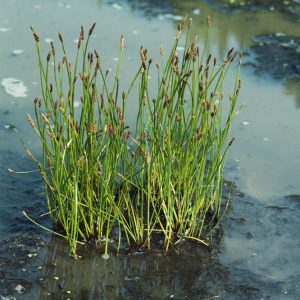
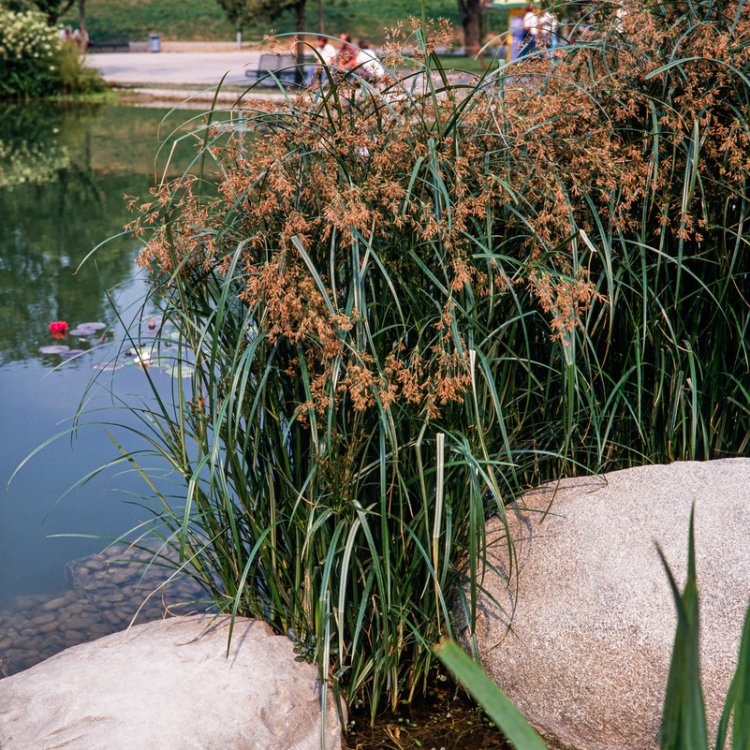
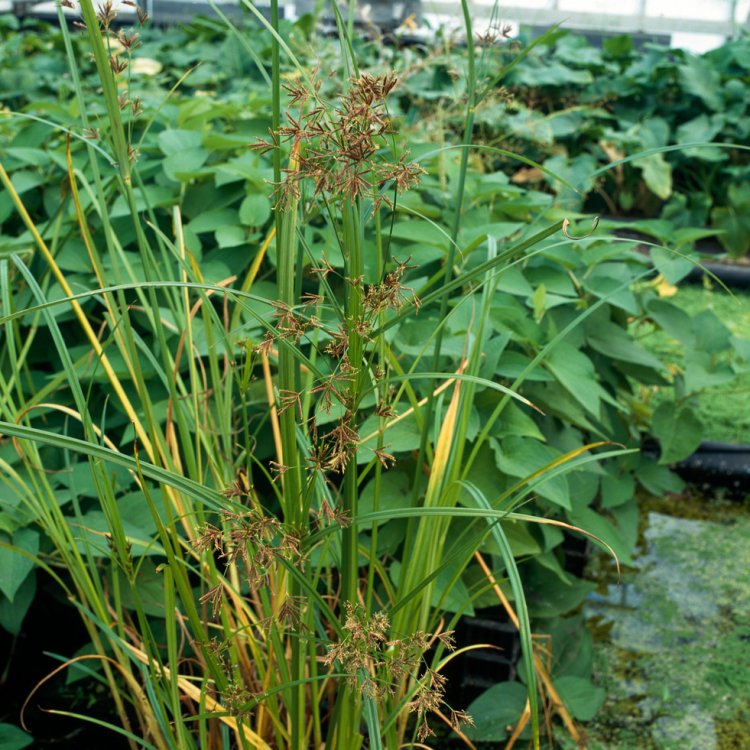
This elegant plant produces long, strap-like, deep green leaves which emerge from the base. They gracefully arch outwards, giving the plant a textured, reed-like appearance. This contributes significantly to its ornamental value.
From July through to September, Cyperus longus produces its unique flower heads. These appear as small, brownish, clustered spikelets, arranged in a branched, umbrella-like structure. They sit at the top of tall, sturdy stems. While not overly showy, these flowers offer subtle beauty and visual interest. They perfectly complement the plant’s strong foliage.
In milder British climates, the foliage can remain semi-evergreen. Typically, however, it will die back in colder periods, only to re-emerge vigorously in spring.
Cyperus longus excels in very moist to wet soils. This makes it perfect for pond margins, bog gardens, and damp border edges. It creates a lush, natural look, softening hard landscaping around water features. Many gardeners use it to help define the transition between land and water.
Furthermore, its upright habit means it adds excellent vertical interest. It contrasts well with lower-growing aquatic plants. This Galingale also offers practical benefits. It provides valuable cover and nesting sites for aquatic wildlife, including frogs and newts. Its seeds also offer a food source for some bird species in late autumn and winter.
Generally, Cyperus longus does not require specific pruning beyond cutting back any old, tired foliage in late winter or early spring. This simple task encourages fresh, healthy growth for the new season.
Hardy in all of the UK and northern Europe. Suitable for exposed sites.
Ensure consistent moisture or a boggy environment. Cut back faded foliage in late winter or early spring to encourage new growth. Divide established clumps every few years to manage spread.