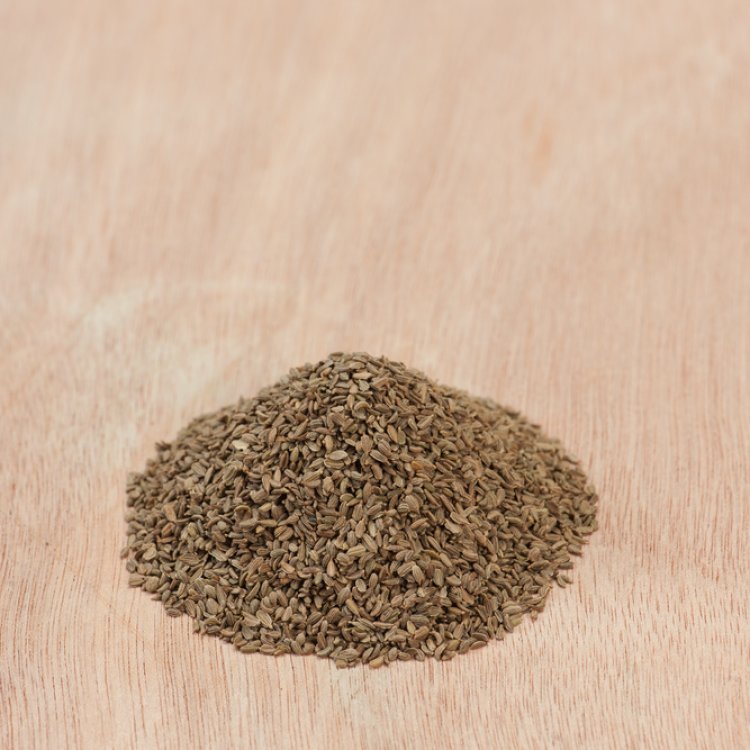

£3.40 – £4.82Price range: £3.40 through £4.82
Daucus carota, or Wild Carrot, is a captivating biennial wildflower that brings delicate lace-like white blooms to UK gardens. Ideal for pollinators, it thrives in sunny spots, adding natural beauty and supporting biodiversity.
240 in stock
Daucus carota, commonly known as Wild Carrot or Queen Anne’s Lace, brings delicate beauty and vital ecological support to UK gardens, thriving in natural settings.
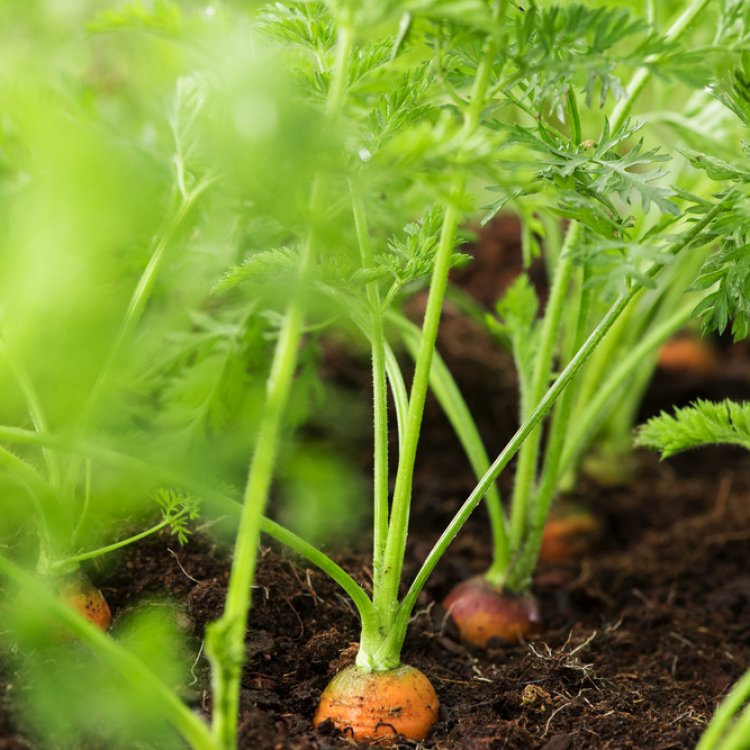
Unveil the understated charm of Daucus carota, the direct ancestor of our garden carrot. This elegant biennial wildflower, often recognised as Wild Carrot or Queen Anne’s Lace, graces UK landscapes with its intricate, lace-like white flowerheads from summer into early autumn. It effortlessly creates a relaxed, natural aesthetic, perfectly suited for wildflower meadows, informal borders, and wildlife-friendly garden designs. Its presence significantly enhances biodiversity by attracting a host of beneficial insects.
Key Features of Daucus carota
About Daucus carota
Wild Carrot, Daucus carota, is a delightful addition to any garden seeking a touch of natural beauty and ecological benefit. Its common name, Queen Anne’s Lace, gardeners believe derives from Queen Anne of Great Britain; the tiny dark flower at the bloom’s centre reportedly signifies a drop of blood from a needle prick as she made lace. The plant’s finely cut, fern-like green leaves form an attractive rosette in its first year. Subsequently, in its second year, sturdy flowering stems emerge, crowned with its characteristic white, umbelliferous flowers. These captivating blooms often feature a solitary dark purple floret at their heart.
Garden Uses and Wildlife Benefits
The delicate appearance of Daucus carota belies its robust nature. It flourishes in many well-drained soils, including loamy, sandy, and chalky types. This plant is a magnet for wildlife. Its abundant nectar and pollen draw in crucial pollinators like bees, butterflies, and an array of hoverflies, making it an excellent choice for a wildlife garden or a beneficial insect border. These insects, in turn, help to control pests.
Gardeners frequently integrate Daucus carota into wildflower plantings, naturalised areas, or informal cottage garden schemes. Its airy structure complements other meadow flowers beautifully. While this plant generally requires minimal attention, you can deadhead the spent flowers to manage self-seeding if you wish to prevent it from spreading too vigorously. This also encourages a tidier appearance. Gardeners typically limit pruning to cutting back faded flower stalks in late autumn or early spring. This allows the plant to naturally recede, ready for its next season. Overall, Daucus carota offers both visual appeal and ecological value without demanding extensive care.
Hardy in the harshest UK conditions and below. Suitable for mountain regions.
Daucus carota is a low-maintenance biennial. Plant in well-drained soil in a sunny to partially sunny location. Once established, it is generally drought-tolerant. Deadhead spent flowers to prevent excessive self-seeding if you want to control its spread, or leave them for a naturalised effect. No specific pruning is typically needed beyond tidying spent flower stalks in late autumn.