£3.02 – £4.43Price range: £3.02 through £4.43
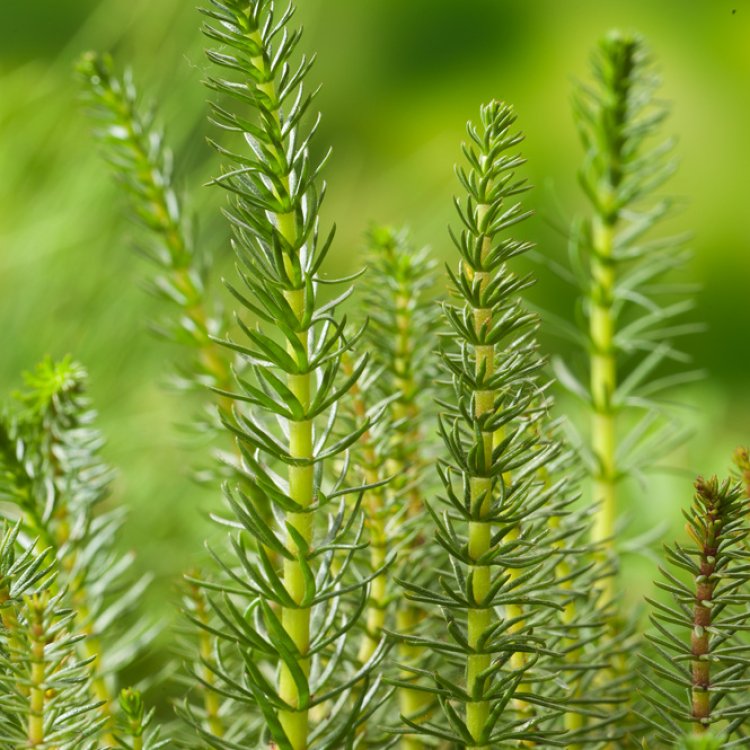
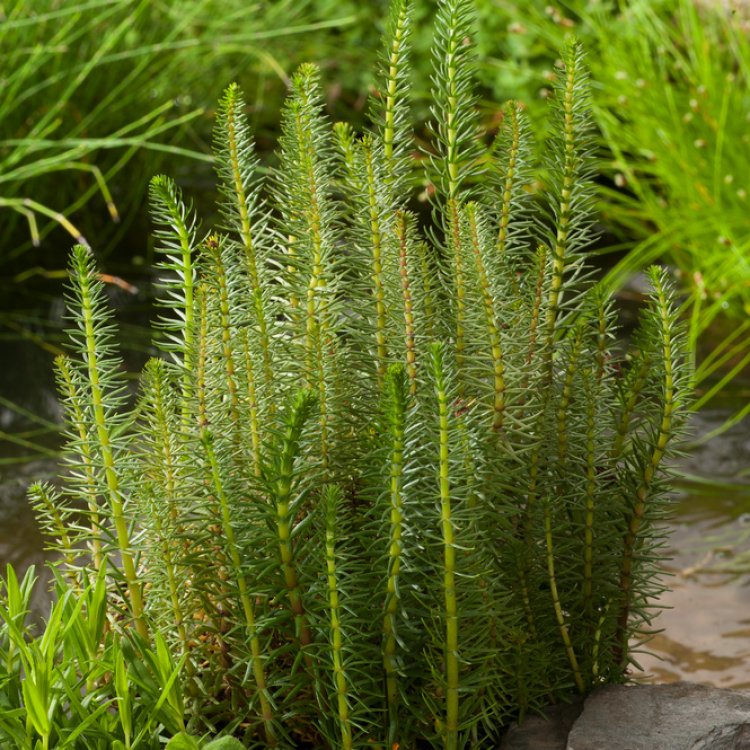
Hippuris vulgaris, or Mare’s-tail, is a unique British aquatic perennial. It offers distinctive upright foliage, looking like miniature fir trees. This plant oxygenates ponds and provides essential wildlife habitat, remaining fully hardy in UK gardens.
297 in stock
Discover Hippuris vulgaris, commonly known as Mare’s-tail, a fascinating aquatic perennial bringing unique texture and vital oxygenation to UK garden ponds.
This intriguing native British plant thrives in still or slow-moving water. It creates a distinctive vertical accent. Its unique foliage looks like miniature fir trees. This adds architectural interest to any pond setting. Hippuris vulgaris is a truly resilient species. It adapts well to various aquatic environments. Moreover, it plays a crucial role in maintaining a healthy pond ecosystem. This makes it a valuable addition for wildlife enthusiasts.
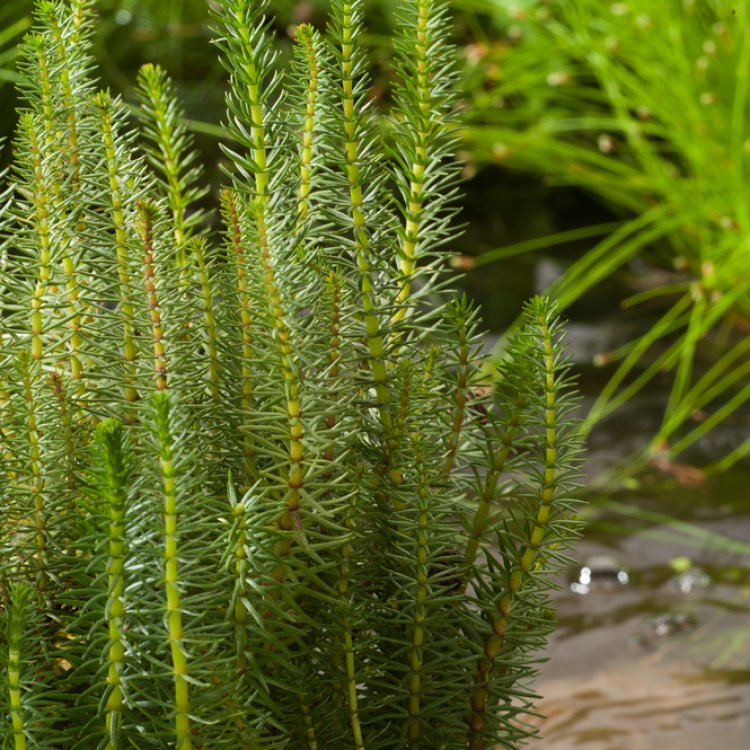
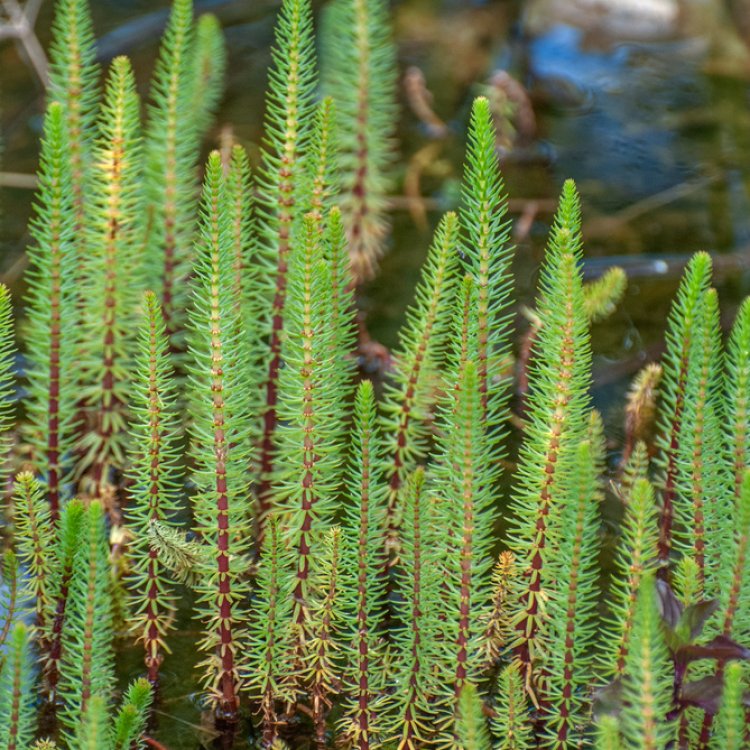
The name Hippuris vulgaris offers a clue to its appearance. ‘Hippuris’ comes from Greek, meaning ‘horse-tail’. This fittingly describes its distinct whorls of leaves. The common name, Mare’s-tail, further highlights this visual connection. It is a true aquatic perennial. It shows both submerged and emergent growth forms. Submerged stems are more delicate. Emergent stems are notably sturdier. These upright, bright green stems rise gracefully above the water surface. Each stem features many small, linear leaves. These arrange in neat whorls, creating a dense, textural display.
During the growing season, from spring through to autumn, Mare’s-tail keeps its vibrant green foliage. Its primary appeal rests in its distinctive leaf structure. The plant does produce small, inconspicuous flowers. These tiny, greenish-red blooms appear in the leaf axils from May to August. While not showy, they contribute to the plant’s life cycle. The unique foliage provides continuous visual interest. It offers a verdant backdrop or a striking focal point in water features.
For UK gardens, Hippuris vulgaris is an exceptional choice. Use it for ponds, water features, and bog gardens. It naturally oxygenates the water. This greatly benefits fish and other aquatic life. Furthermore, its dense growth creates invaluable shelter. Tadpoles, newts, and various aquatic insects thrive here. Gardeners often plant it in submerged baskets. This manages its naturally vigorous spreading habit. Consequently, it remains a well-behaved feature. This allows for controlled growth. You still benefit from its environmental contributions.
This plant actively boosts biodiversity. Its intricate structure offers excellent refuge. Small fish hide among the stems. Aquatic invertebrates find safe places to breed and forage. Its flowers are not a primary nectar source for bees or butterflies. However, the plant’s overall presence significantly enhances a pond’s ecological value. It truly fosters a thriving aquatic habitat. Therefore, Mare’s-tail is a beneficial and beautiful addition to any wildlife-friendly garden.
Hardy in the harshest UK conditions and below. Suitable for mountain regions.
Plant Hippuris vulgaris in submerged aquatic baskets to restrict its vigorous spread in ornamental ponds. Place baskets in shallow water, ensuring the crown is just below or at the water surface for emergent growth. Cut back any excessive growth during the growing season to maintain desired size and prevent over-colonisation. Ensure a consistent water level.