£3.02 – £4.43Price range: £3.02 through £4.43
Lysimachia nummularia ‘Aurea’, or Golden Creeping Jenny, offers vibrant, golden-yellow foliage. This low-growing, spreading perennial thrives in moist soils, brightening borders, containers, or pond edges. It’s an easy-care, wildlife-friendly choice for UK gardens.
295 in stock
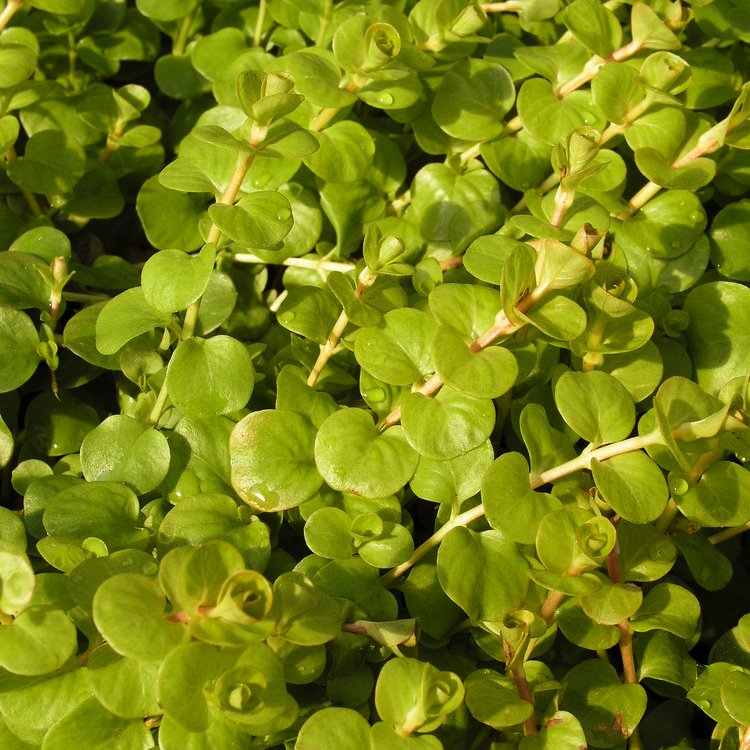
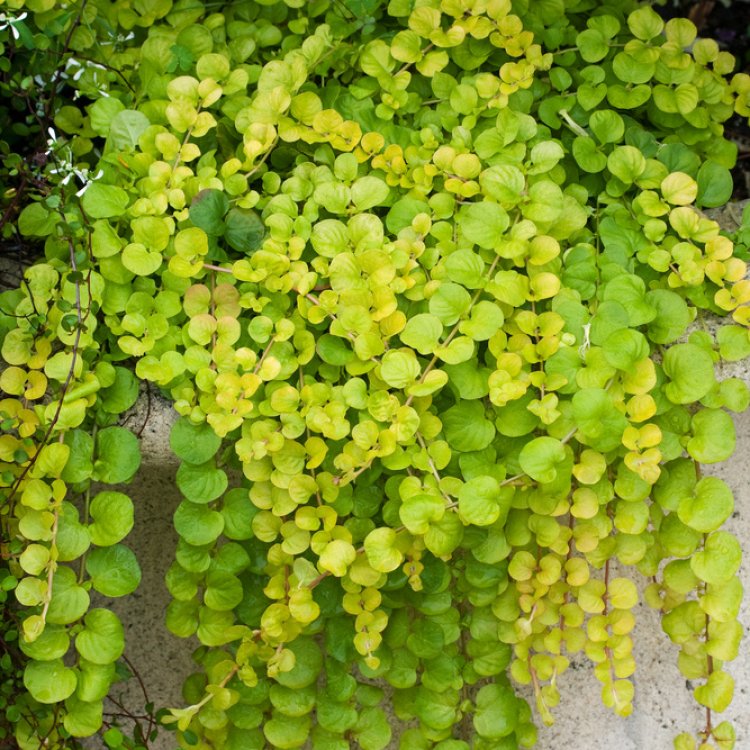
Lysimachia nummularia ‘Aurea’ is a vibrant, golden-leaved groundcover, often called Creeping Jenny, that beautifully cascades and spreads in garden spaces.
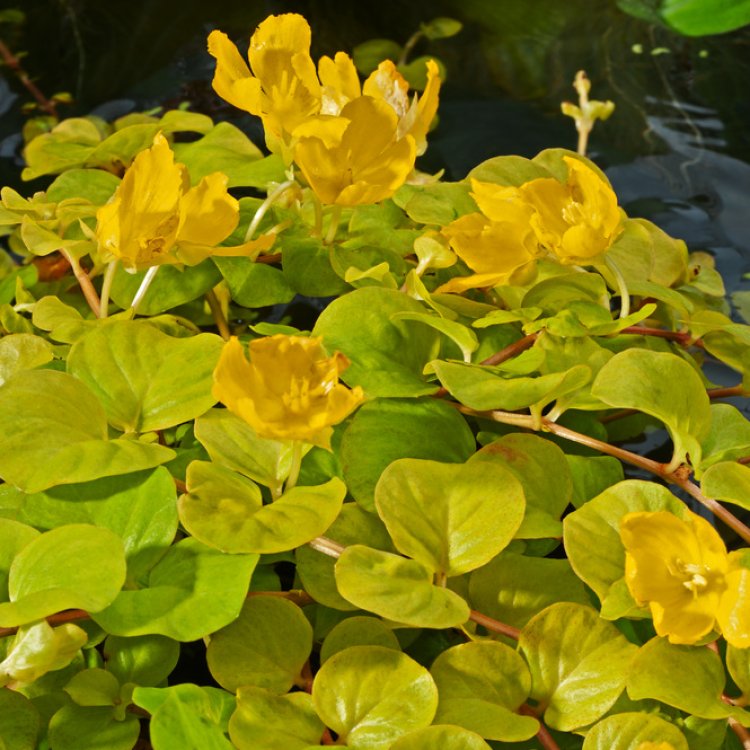
Lysimachia nummularia ‘Aurea’, also known as Golden Creeping Jenny, brings a delightful splash of bright colour to many UK gardens. This vigorous perennial forms a lush carpet of small, rounded, golden-yellow leaves. Exceptionally versatile, it thrives in damp conditions, brightening shaded areas or cascading gracefully from containers.
Lysimachia nummularia ‘Aurea’ is a specific cultivar of a native European species. Commonly called Creeping Jenny, its name reflects its low-growing, spreading habit. The botanical ‘nummularia’ means ‘coin-like’ in Latin, referring to its round leaves. ‘Aurea’ signifies ‘golden’. This cultivar stands out with its radiant, golden-yellow foliage, intensifying in brighter light.
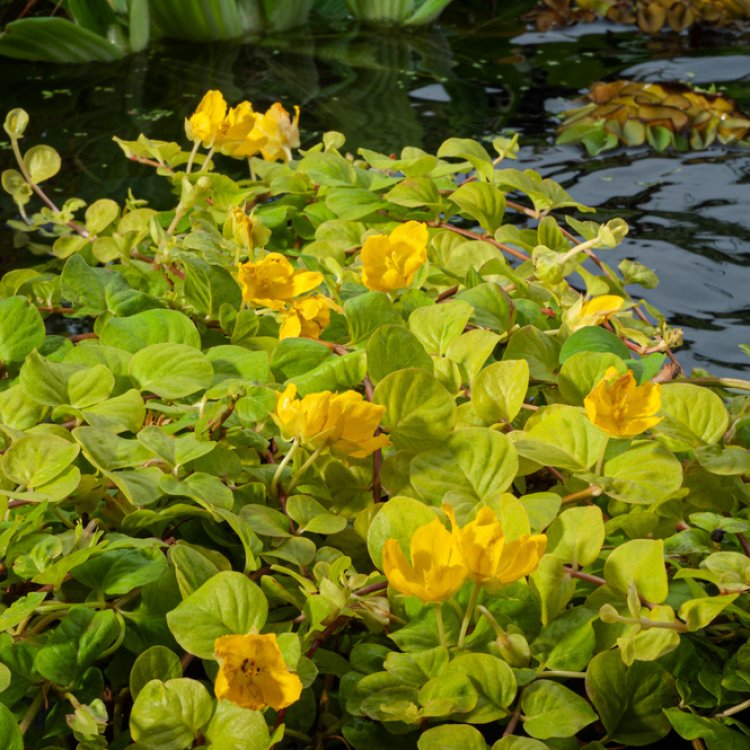
Throughout summer, from June to August, Lysimachia nummularia ‘Aurea’ produces numerous small, cup-shaped, bright yellow flowers. These blossoms emerge from the leaf axils, contrasting delightfully against the golden foliage. Most gardeners cultivate this plant primarily for its stunning, vibrant leaf display.
In milder British climates, its leaves often remain evergreen. However, in harsher winter conditions, the foliage might die back, only to vigorously re-emerge in spring. This resilience ensures a consistent display year after year.
Gardeners utilise this remarkably resilient plant in countless ways. It performs exceptionally well as an effective groundcover, quickly filling bare spots and establishing a lush, golden carpet. It offers an excellent solution for defining borders or softening edges.
Given its naturally trailing habit, Golden Creeping Jenny also looks spectacular cascading from hanging baskets, window boxes, or decorative containers. Moreover, it is ideally suited for planting along pond margins or within bog gardens due to its high tolerance for consistently moist to wet soil conditions.
Lysimachia nummularia ‘Aurea’ generally requires minimal pruning. Gardeners can cut back any vigorous stems to manage its spread effectively or maintain a neater appearance. This encourages denser, more compact foliage, enhancing its visual appeal.
Its cheerful yellow flowers actively attract various pollinators, including several species of bees. They visit the blossoms to collect nectar and pollen. This plant significantly contributes to local wildlife populations, enhancing biodiversity within garden ecosystems.
Very hardy. Tolerates temperatures typical of a continental winter.
This plant thrives in consistently moist to wet soil, making it perfect for damp areas or pond edges. Ensure regular watering, especially during dry spells, to maintain its lush foliage. While tolerant of various light conditions, its golden colour is most vibrant in brighter light, though some afternoon shade in hot climates can prevent leaf scorch. If spread becomes too vigorous, simply cut back unwanted stems to control its growth and promote denser foliage. Generally, this is a low-maintenance plant that adapts well to its environment.