£6.53 – £7.96Price range: £6.53 through £7.96
Iris ensata ‘Variegata’ is a stunning Japanese Iris, offering vibrant variegated foliage and elegant summer blooms. Perfect for moist borders or pond edges, this hardy perennial attracts pollinators and adds architectural beauty to UK gardens.
300 in stock
Discover Iris ensata ‘Variegata’, a truly striking perennial with vibrant variegated foliage and elegant, showy blooms for your UK garden.
This exceptional plant, often called the Japanese Iris, brings a touch of refined beauty to any landscape. Its distinctive leaves, adorned with creamy yellow stripes, offer year-round visual interest. The striking foliage provides appeal even before its impressive flowers unfurl. Ideal for pond margins, bog gardens, or moist borders, Iris ensata ‘Variegata’ thrives in damp conditions. It establishes well in UK climates, providing a reliable seasonal display.
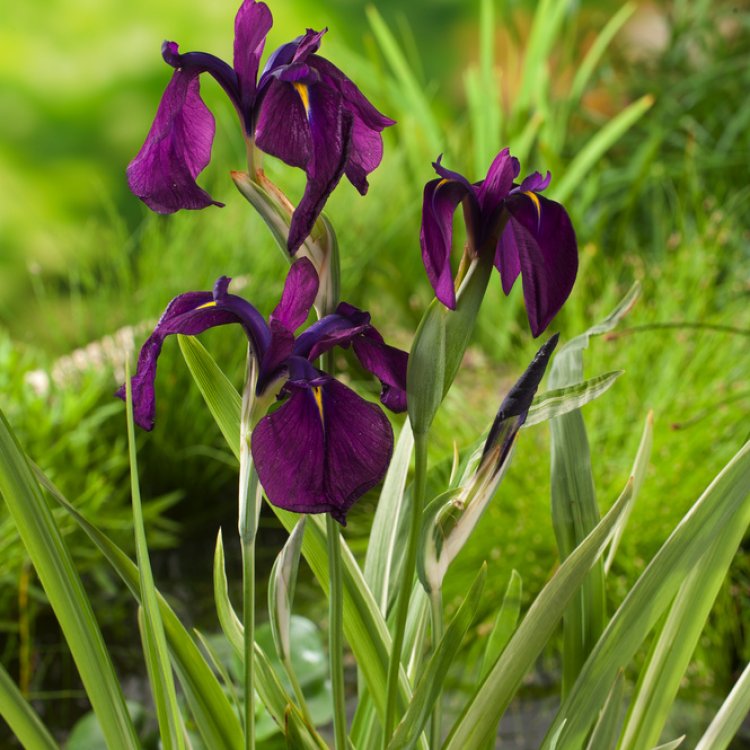
Iris ensata ‘Variegata’ is a captivating herbaceous perennial, cherished for both its decorative foliage and its exquisite blooms. The name Iris comes from the Greek word for ‘rainbow’, referring to the wide array of flower colours found within the genus. Ensata means ‘sword-shaped’, aptly describing the plant’s upright, pointed leaves. ‘Variegata’ signifies its distinct variegated characteristic. This specific cultivar is particularly prized for its striking green leaves boldly striped with creamy yellow. These vertical blades create a strong visual element, providing structure and contrast in a mixed planting scheme.
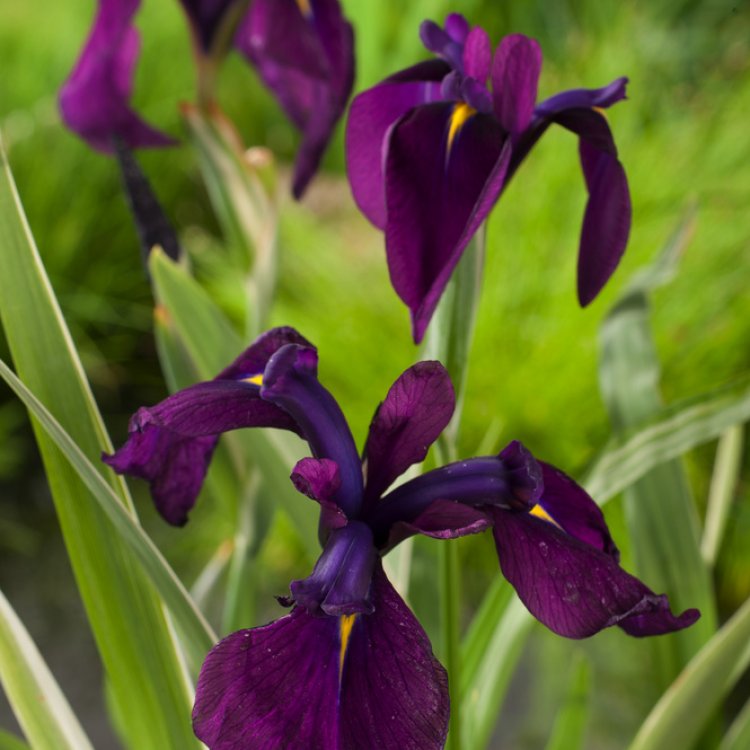
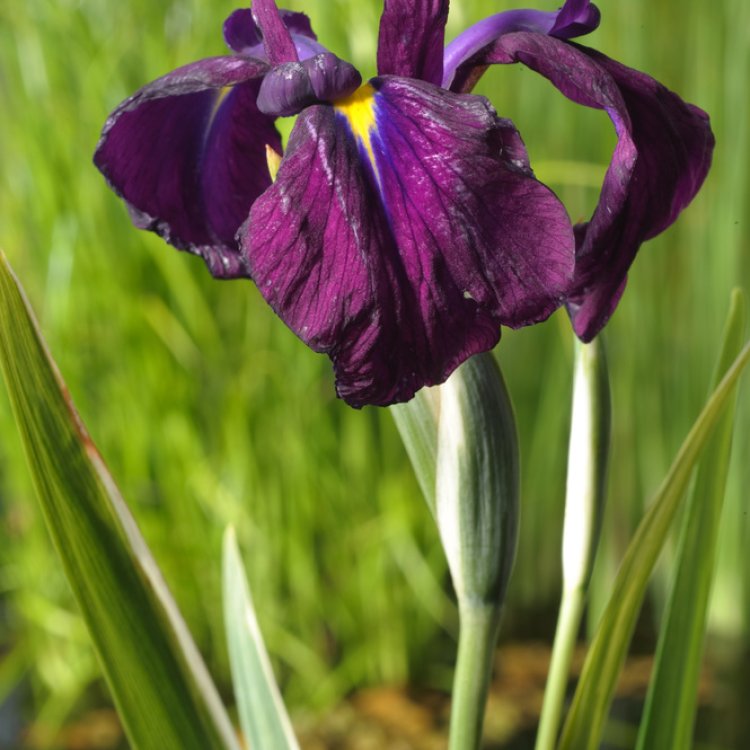
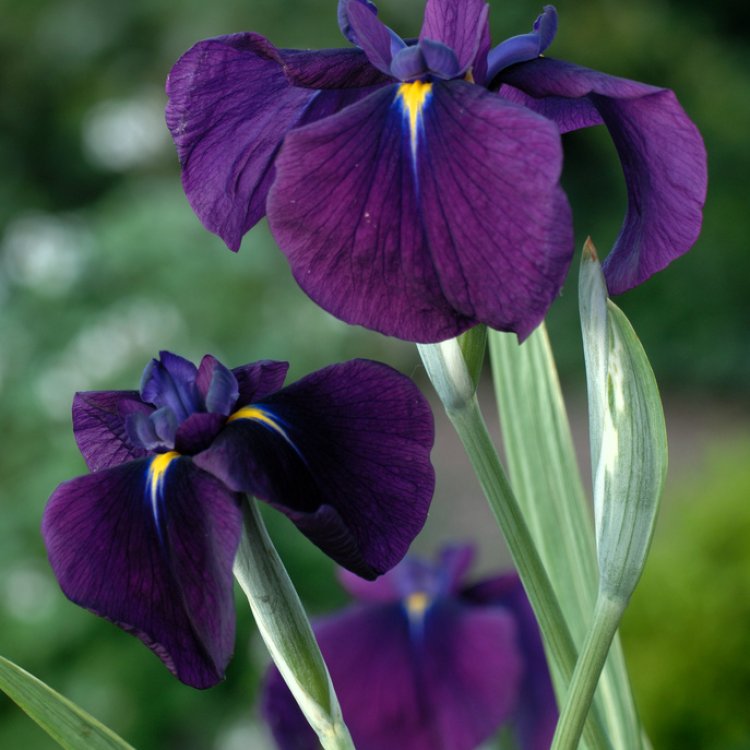
From early June to mid-July, this Japanese Iris produces magnificent, flattened flowers, often in shades of rich purple, blue, or pure white. Each bloom exhibits intricate detailing and a refined elegance, held aloft on sturdy stems above the foliage. The foliage remains vibrant throughout the growing season, offering consistent interest from spring until autumn frosts. The variegated pattern makes it a focal point even when not in flower.
Iris ensata ‘Variegata’ excels in situations with consistently moist soil. Therefore, it is perfectly suited for planting alongside ponds, within bog gardens, or in damp border areas where other plants might struggle. It creates a serene and naturalistic feel, blending well with water features. Moreover, its open flowers are highly attractive to local wildlife. Bees, butterflies, and other essential pollinators frequently visit the blooms, gathering nectar and contributing to the ecosystem of your garden.
To encourage further flowering and maintain a tidy appearance, gardeners should deadhead spent flower stalks as they fade. This practice prevents the plant from expending energy on seed production. In late autumn or early winter, once the foliage begins to yellow and die back naturally, it is beneficial to cut back the old leaves close to the ground. This helps to maintain plant health and prepare the Iris ensata ‘Variegata’ for its dormant season.
Hardy in the harshest UK conditions and below. Suitable for mountain regions.
Plant in consistently moist to wet soil, especially during the growing season. Prefers slightly acidic conditions for best performance. Deadhead spent flowers to encourage new blooms and prevent seed production. Cut back faded foliage to ground level in late autumn or early winter to maintain tidiness and health. Divide congested clumps every 3-5 years in spring to rejuvenate the plant. Ensure good air circulation to prevent fungal issues.